


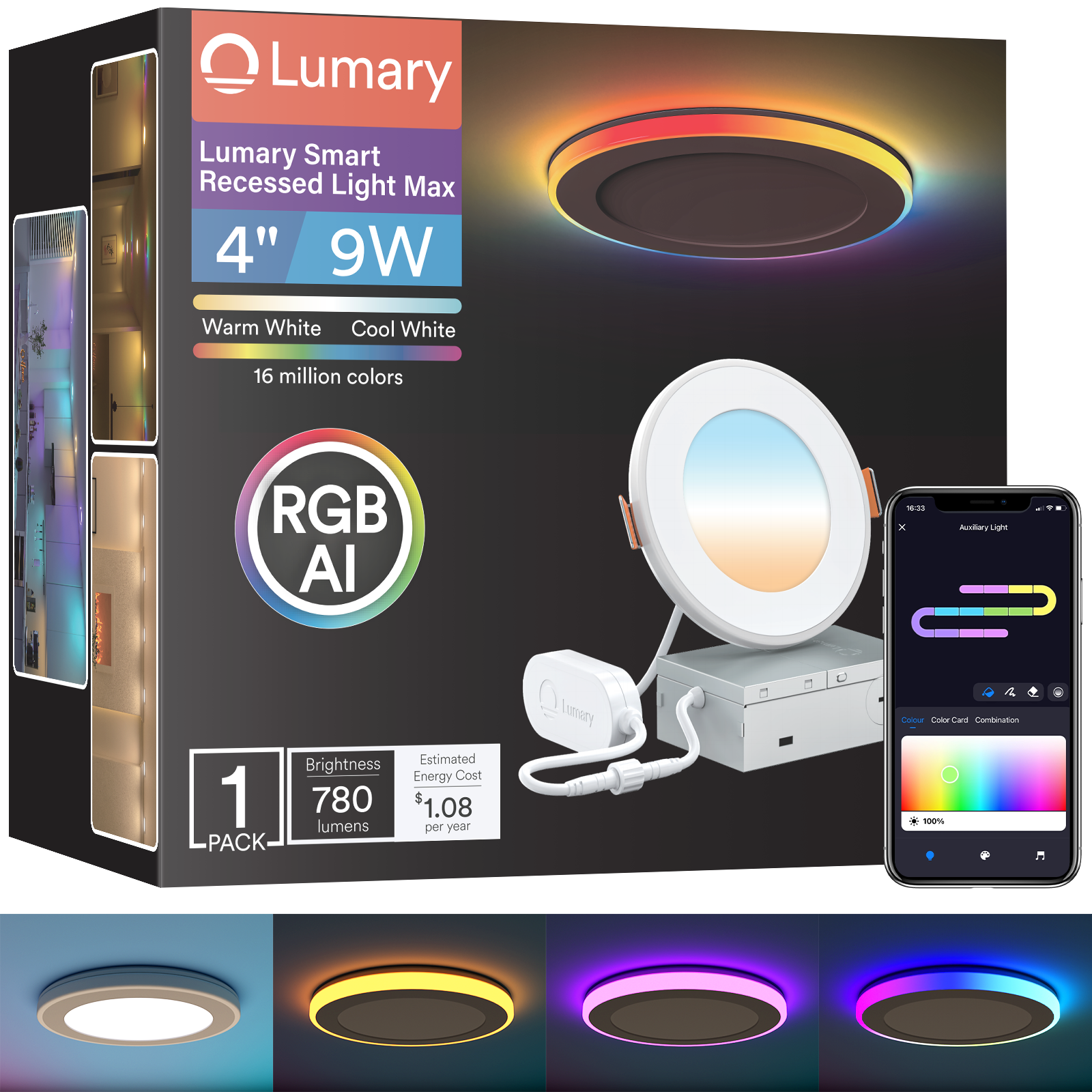
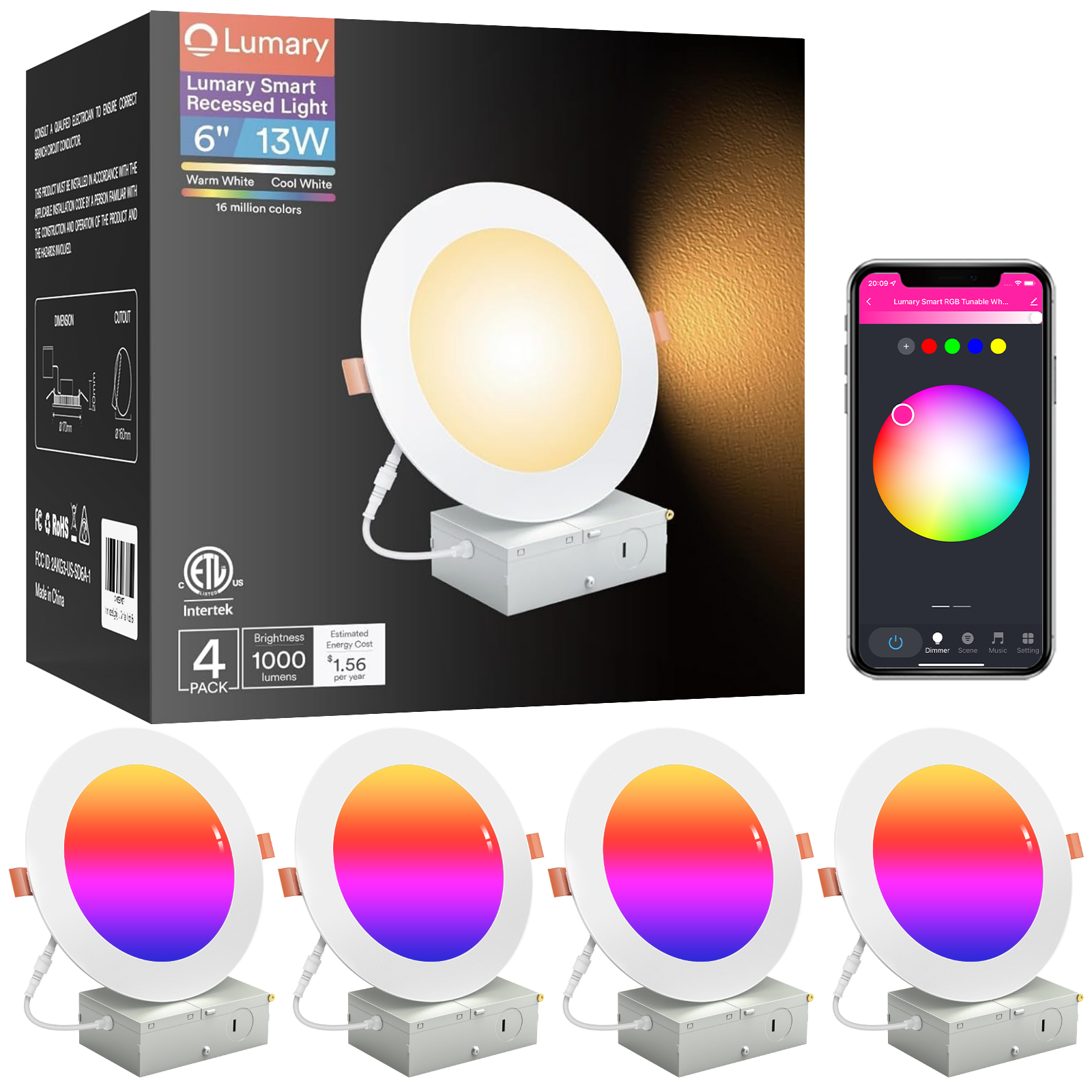
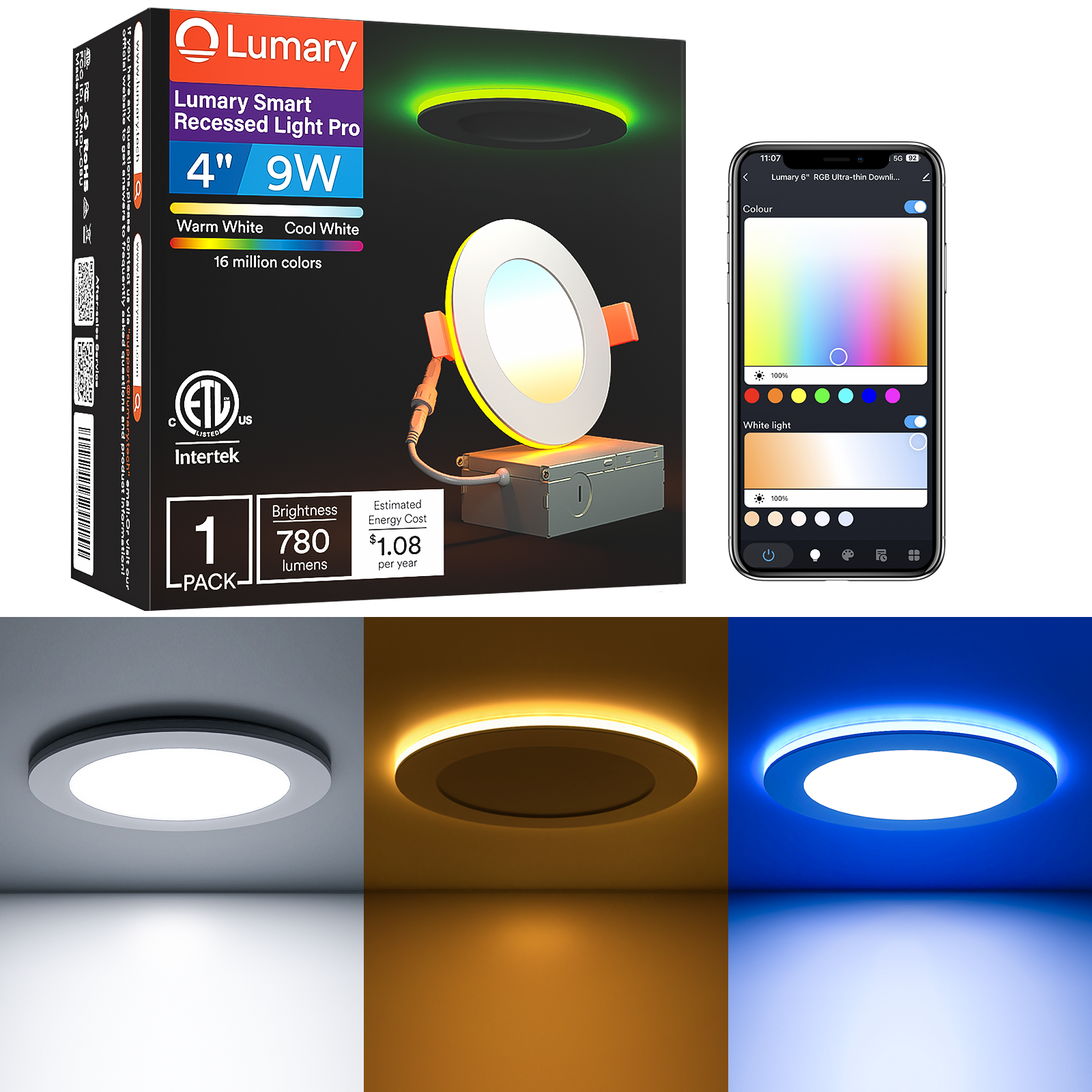
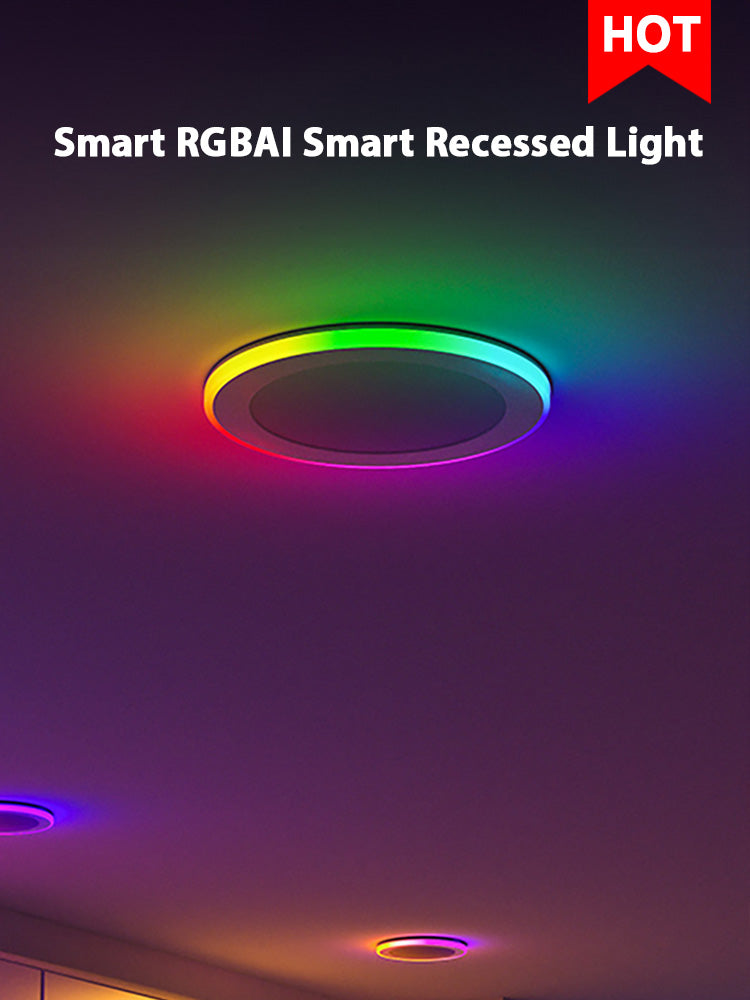


When selecting landscape lights for your yard, consider your specific needs. Assess your yard’s layout to identify the key areas that require illumination. Proper lighting not only enhances visibility but also beautifies your home and ensures safety. Opt for energy-efficient options and be mindful of common pitfalls. Strive to achieve a balance between aesthetics, functionality, and budget when choosing your landscape lights.
Key Takeaways
-
Look at your yard at night to find dark spots that need lights. Pay attention to walkways, doors, and special things in your yard. This helps make your yard safer and look nicer.
-
Pick LED lights that use less energy to save money on power and fixing. Smart lighting lets you control and change your lights easily.
-
Do not make mistakes like putting in too many lights or placing them badly. Make a good plan for your lights to make your yard look nice and feel welcoming.
Assess Your Yard for Landscape Lighting
Identify Areas for Landscape Lights
Walk around your yard at night. Look for places that are dark. Check pathways, entrances, and special features. Write down where you want lights. Think about what you need and what looks nice. You might want to show off a tree or a garden. Water features can also be highlighted. Watch out for dangers like uneven steps or hidden corners.
-
Some areas are often missed:
-
Power planning affects how bright and efficient lights are.
-
Fixture placement matters for good lighting.
-
Changes in landscaping can change your lighting design.
-
Lighting experts use different techniques. Moon lighting puts spotlights in trees for soft beams. Shadow casting puts lights behind things to make cool shadows. Uplighting shines light from below to show big features. Place fixtures where people look most. Try not to shine lights straight up. Keep lights away from plants and buildings. Use angles that help people see without glare.
Tip: Pick a few things to highlight. Trees, walls, and sculptures make your yard look interesting at night. You do not need to light up everything.
Set Lighting Goals for Safety and Ambiance
Safety and ambiance are important for landscape lighting. Good lighting stops accidents and makes guests feel welcome. Bright lights in dark corners can keep unwanted visitors away. Use path lights, step lights, post lights, and floodlights for safety.
-
Ways to use lighting for safety:
-
Light paths so people do not trip.
-
Light entrances and stairs for easy walking.
-
Use lights to make your yard feel friendly.
-
Landscape lighting helps people feel safe and happy. Lighting paths and features changes how you see your yard. Outdoor lights make nighttime activities less scary. Good lighting keeps stairs and porches safe. Smart lighting makes your yard look better by showing off special spots. Proper lighting lets you use your yard more, even at night.
Note: Warm, soft lights make gatherings cozy. Bright lights can make spaces lively and good for parties.
Avoid Common Landscape Lighting Mistakes
Try not to make common mistakes with landscape lighting. Too much light can hide beauty and make weird shadows. Harsh glare makes outdoor spaces hard to enjoy. Bad materials mean you will fix lights often. Not planning before buying fixtures can leave spots too dark or too bright. Picking the wrong transformer or color temperature hurts efficiency and mood. Ignoring fixture quality and IP ratings can cause problems outside.
|
Mistake |
Description |
Solution |
|---|---|---|
|
Too much light |
Too many lights can hide beauty and make odd shadows. |
Use the right number of fixtures spaced and angled for good coverage. |
|
Harsh glare |
Blinding lights make people uncomfortable and limit seeing. |
Change the angle of lights so beams go where needed, avoiding glare. |
|
Shoddy materials |
Bad fixtures break often and need repairs. |
Buy strong, high-quality materials made for outdoors. |
|
Poor placement |
Lights in the wrong place ruin the effect. |
Plan where lights go, thinking about how you use the space. |
|
No layering |
Same lighting everywhere makes the yard look flat. |
Use different types of lighting for a more interesting design. |
Balanced lighting is important. Space path lights 6 to 8 feet apart for a smooth glow. Let the beams overlap a little. Do not use too many or too few lights. Spread light evenly across all areas. Pick fixtures that look good and give enough light without glare. Keep your lights clean and working well.
|
Best Practice |
Description |
|---|---|
|
Balanced Lighting |
Spread light evenly across all areas to avoid too much or too little light. |
|
Proper Fixture Selection |
Pick fixtures that look good and give enough light without glare. |
|
Regular Maintenance |
Keep lights clean and working so you do not have lighting problems. |
Lighting design makes your home look better and safer. Landscape lighting shows off your house and makes it feel warm. It helps people walk around safely. You can highlight your home, water features, and special plants.
Tip: Think about energy saving and future changes when planning lights. LED options like Lumary Smart LED Outdoor Landscape Lights RGBAI Spotlight let you pick colors, control each light, and last a long time. Many people ask if these lights can be controlled by voice or app. Yes, Lumary lights work with both, so controlling your lights is easy.

Choose the Best Landscape Lighting Design and Fixtures
Select Fixture Types for Each Area
You should pick the right lighting fixtures for each part of your yard. Every fixture type does something special and makes a different look. Check the table below to see what each fixture is best for:
|
Fixture Type |
Ideal Applications |
Beam Angle |
|---|---|---|
|
Hardscape Lights |
Show off walls and patios |
|
|
Wall Lights |
Light up exterior walls, fences, and entryways |
40° to 70° |
|
Underwater Lights |
Highlight ponds and water features |
50° to 90° |
|
Bollard Lights |
Mark paths, driveways, and garden borders |
60° to 90° |
|
Spotlight Lights |
Focus on trees or sculptures |
10° to 30° |
|
Flood Lights |
Cover large areas like gardens and driveways |
60° to 120° |
|
Path Lights |
Guide walkways and driveways with soft light |
30° to 45° |
|
Step/Deck Lights |
Make stairs and decks safer |
20° to 40° |
|
In-Ground Well Lights |
Subtly light trees and garden beds |
15° to 30° |
Spotlights shine a narrow beam to show off things like trees or statues. Flood lights spread light over big spaces, like backyards or gardens. Path lights help people see where to walk at night. Step lights make stairs safer so people do not trip. Use different fixtures together to layer your lighting. This way, your yard looks its best and you get the light you need.
Tip: Put spotlights at the bottom of trees and point them up for cool effects. Place flood lights higher to light up bigger spaces.
Focus on Energy-Efficient and Smart Landscape Lights
Saving energy is important when picking landscape lighting. LED lights use less power than old bulbs. They last longer and you do not have to change them as much. This saves you money on your electric bill and time on repairs. The table below shows how low voltage lighting is different from regular lighting:
|
Feature |
Low Voltage Lighting |
Traditional Lighting |
|---|---|---|
|
Energy Use |
Highly energy efficient |
Consumes more power |
|
Safety |
Safe for homes and pets |
Higher shock risk |
|
Durability |
Corrosion-resistant |
Rusts and wears faster |
|
Maintenance |
Minimal upkeep |
Frequent replacements |
|
Flexibility |
Easy to adjust or expand |
Hard to modify |
Smart landscape lighting gives you even more cool features. You can turn your lights on or off with your phone or voice. Set timers so lights come on or go off by themselves. Change the colors to fit your mood or the season. Many people like these features:
-
Turn lights on and off from far away
-
Use timers so lights work by themselves
-
Set schedules for safety and ease
-
Connect with Alexa or Google Assistant
The Lumary Smart LED Outdoor Landscape Lights RGBAI Spotlight is a great choice for smart, energy-saving outdoor lights. You can pick from 16 million colors and control each spotlight with the Lumary App. Set timers, make your own scenes, and even match lights to music for parties. These lights are made from strong aluminum alloy and are waterproof, so they work in bad weather. With voice control and brightness you can change, it is easy to get the right look for any event. These features make Lumary a smart buy for anyone who wants the best lights for their yard.

Plan Installation and Set a Budget
You need to choose if you want to put in your landscape lights yourself or hire someone. Doing it yourself usually costs about $1,200. If you hire a pro, it can cost from $3,000 to over $15,000, depending on how big and fancy your lighting plan is.
|
Installation Type |
Cost Range |
|---|---|
|
Professional Installation |
|
|
DIY Installation |
~$1,200 |
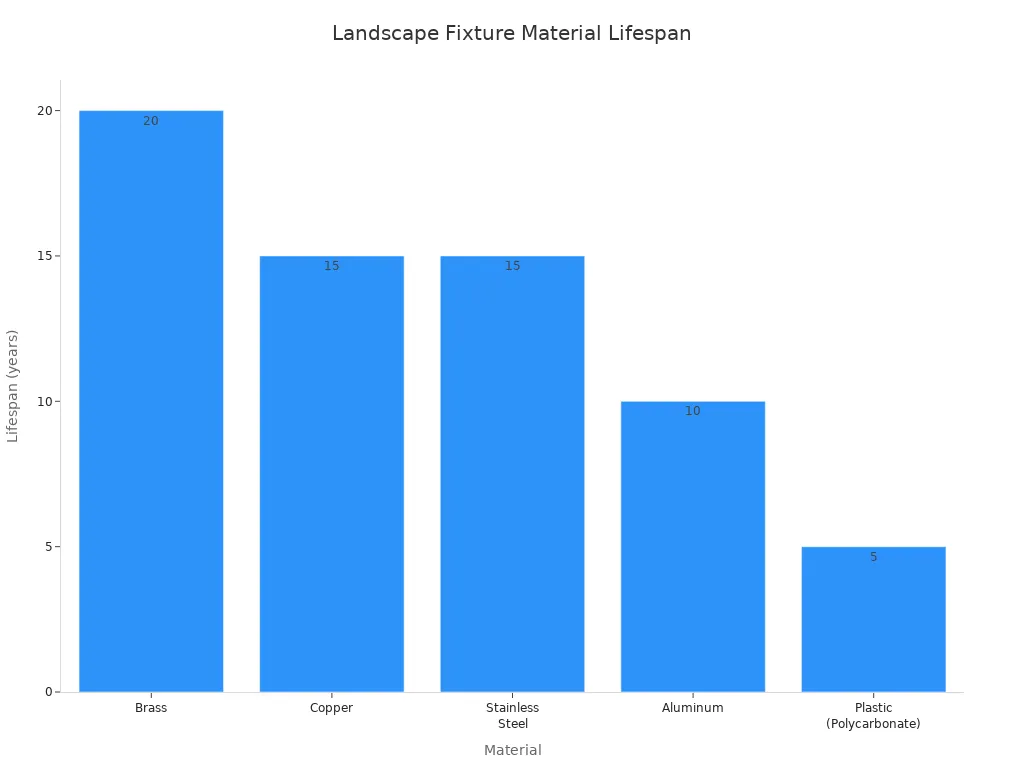
When you plan your installation, think about what your lights are made of. Brass, copper, and stainless steel last a long time and do not rust easily. Aluminum is light and cheap, but it can rust if not coated. Plastic does not rust but can break in cold or get weak in the sun. The table below compares the most common materials:
|
Material |
Durability Characteristics |
Best For |
|---|---|---|
|
Brass |
High corrosion resistance, does not rust, develops patina |
Coastal areas |
|
Aluminum |
Lightweight, cost-effective, can corrode without coating |
Dry climates |
|
Stainless Steel |
Strong, modern look, needs maintenance to prevent rust |
Humid or coastal areas |
|
Copper |
Does not rust, develops patina, high aesthetic appeal |
Hot, humid climates |
|
Plastic |
Rust-resistant but brittle in cold, degrades under UV |
Temporary installations |
Good installation helps your lights last and work well. Use the right wire size and make sure connections are tight. Keep transformers and timers safe from rain. Group lights together for easy care and a neat look. Low-voltage systems are safer and use less energy.
Explore Lighting Controls and Trends
New lighting controls make it simple to manage your yard lights. Timers and schedules let you set when lights turn on and off. This saves energy and makes your house look lived in. You can set random times so it is not easy to guess when you are home. Some systems even let your lights change color with music at parties.
Popular lighting control trends are:
-
Timers that turn lights off by themselves
-
Color-changing for each spotlight
-
Control lights from your phone or a box
-
Music sync for party fun
-
Voice control with Alexa, Google Assistant, or SmartThings
-
Schedules for safety and ease
Smart landscape lighting like Lumary works with your home’s smart system. You can use your voice to change brightness, colors, or pick a scene. This makes it easy to set the right mood for any event. Automatic lighting scenes also keep your yard safe and save energy by making sure it is always bright when you need it.
Note: Using timers and schedules saves energy, lowers bills, and keeps your home safe. Smart controls let you change your lights whenever you want.
By picking the right fixtures, saving energy, planning your setup, and using smart controls, you can make your yard look great, stay safe, and use less power. The right landscape lighting will show off your yard’s best parts and give you the perfect light for every time.

You can make your yard look great with landscape lighting. Follow these steps to plan your lights:
-
Think about what lighting you need.
-
Pick fixtures that fit your yard.
-
Look for lights that save energy.
-
Try different lighting techniques.
-
Use controls to manage your lights.
Good landscape lighting helps keep people safe. It makes your yard feel nice and cozy. It also makes your home worth more. Lumary Smart LED Outdoor Landscape Lights RGBAI Spotlight has smart features that can help you.
FAQ
How do you control Lumary Smart LED Outdoor Landscape Lights RGBAI Spotlight?
You can use the Lumary App, voice commands, remote control, or the control box. This makes lighting easy to manage in your yard.
Can you change the color of each spotlight?
Yes, you can select from 16 million colors. You control each spotlight individually. This lets you create unique landscape lighting effects.
Are Lumary landscape lights durable for outdoor use?
Lumary lights use aluminum alloy and have an IP65 rating. They withstand rain and harsh weather. You can rely on them for long-lasting lighting in your yard.

