




You can pick the best recessed lighting for your home by taking a few clear steps. Start by looking at your room’s size and ceiling height. This helps you avoid common mistakes like placing fixtures too close or far apart, which can cause shadows or glare. The right recessed light should fit your style and make every space feel inviting. Use this guide to make lighting choices that work for you.
Key Takeaways
-
Find out your room's size and how tall the ceiling is. This helps you know how many recessed lights you need. It also helps you put them in the right spots. Doing this stops shadows and gives even light everywhere.
-
Pick the best kind of recessed light for each room. LED lights save energy and last a long time. Smart lights let you control them with your phone, which is easy.
-
Think about your lighting plan before you start. Put lights about half the ceiling height apart. This gives good light all over the room. Do not put lights too close to walls, or you might get glare.
 Recessed Lighting Buyer’s Guide
If you want your home to look modern and bright, this guide will help you pick the right recessed lighting. There are many kinds of recessed lights. Each one has special features and works best in different places. We will look at the choices so you can find what fits your needs.
Types of Recessed Lights
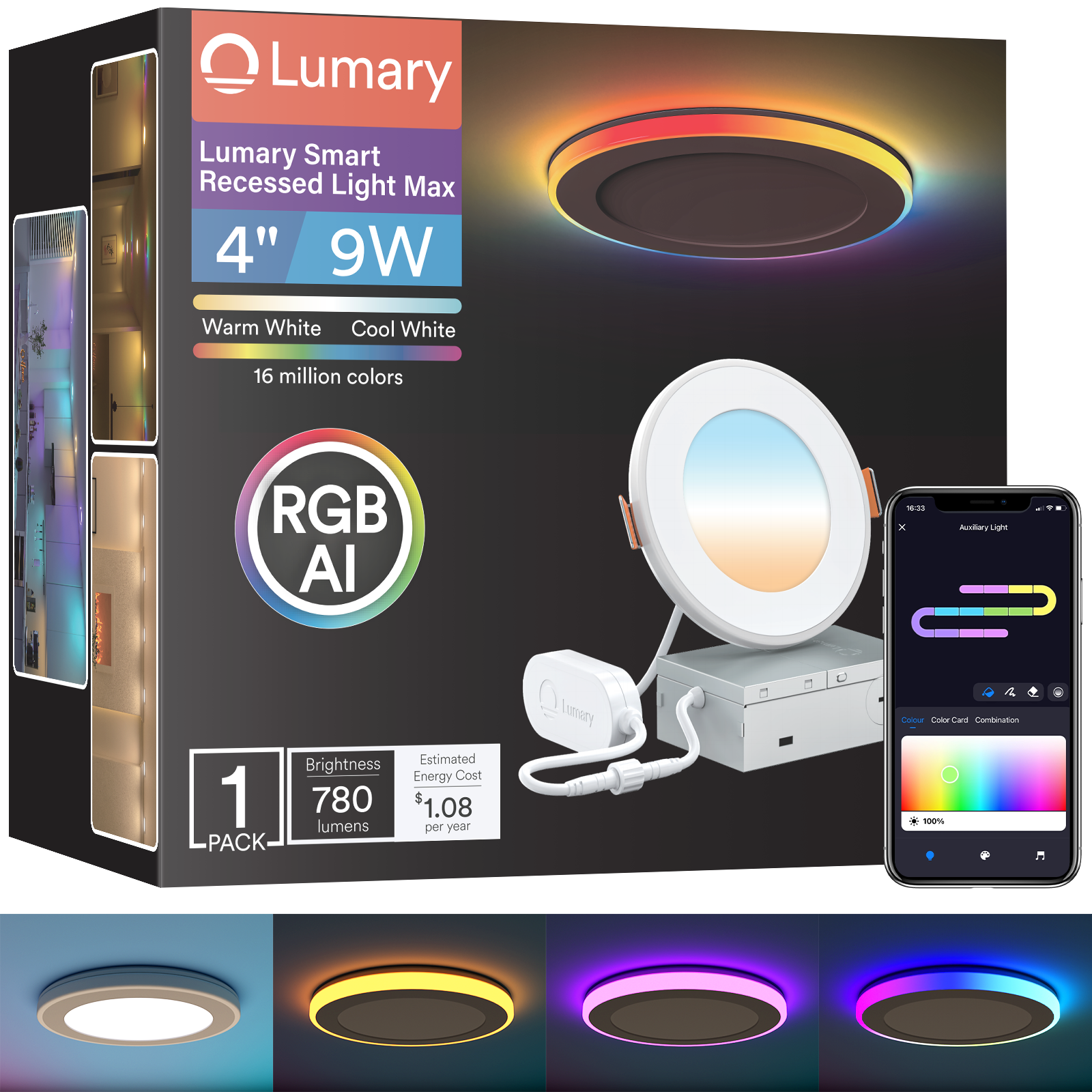
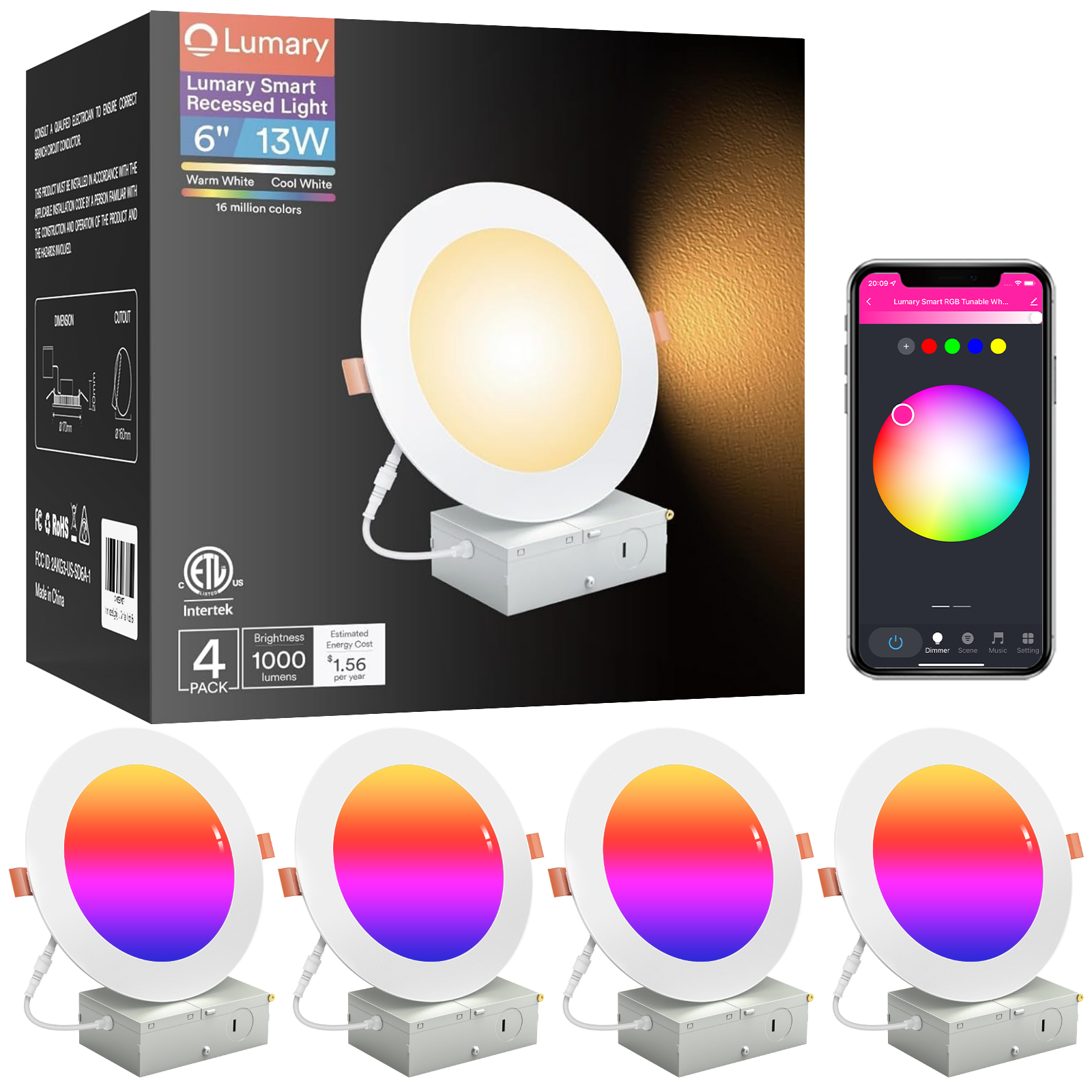
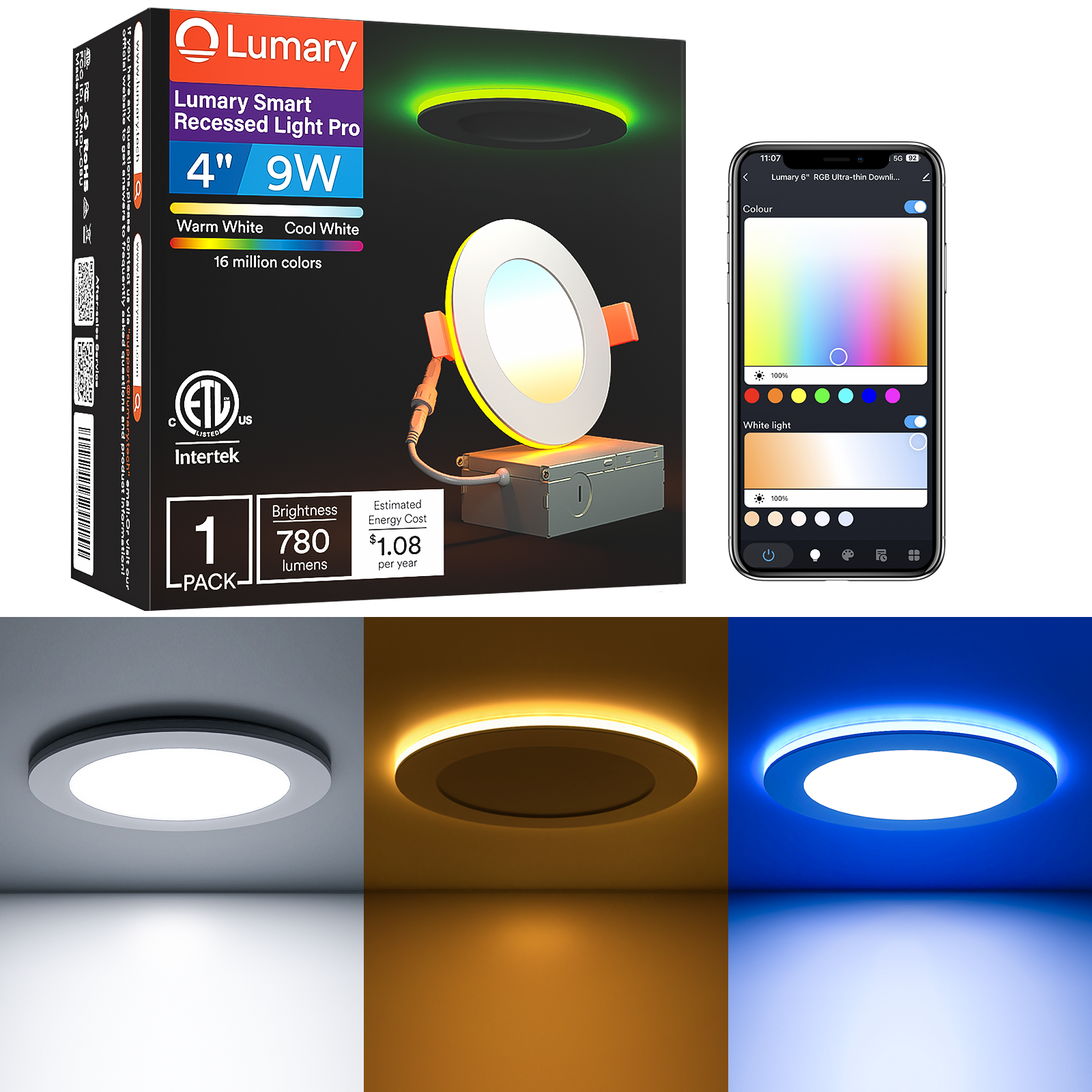
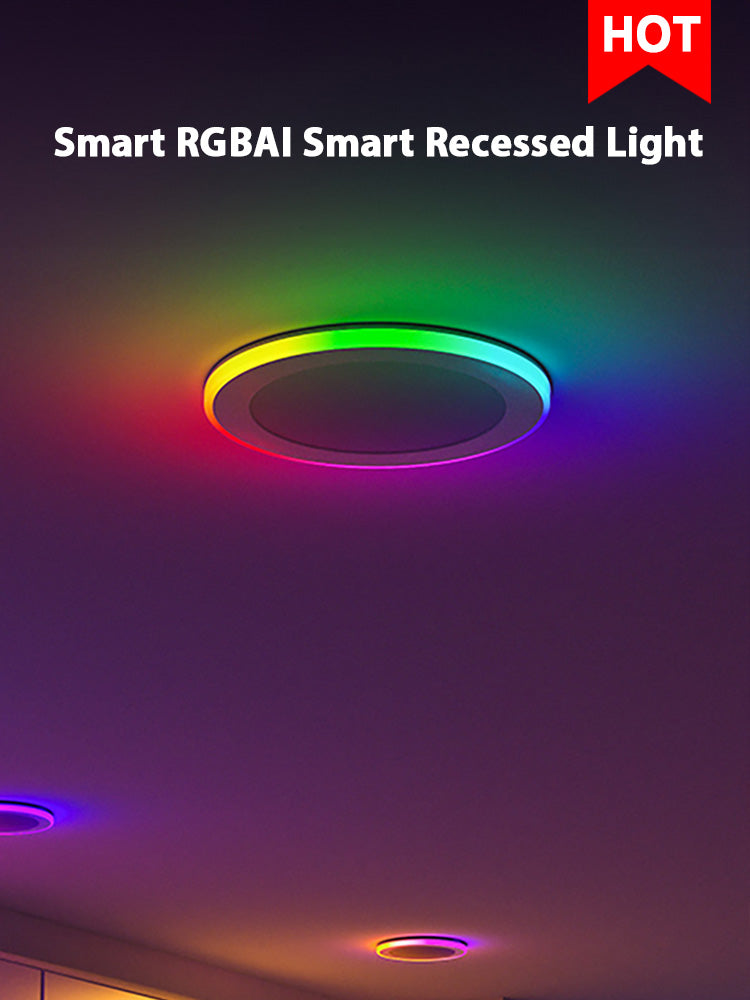
In 2026, you will find three main types of recessed lights: standard, LED, and smart. Standard recessed lights use regular bulbs. LED recessed lights save energy and last a long time. Smart recessed lights let you change brightness, color, and timing with your phone or voice.
Here is a table that shows the good and bad sides:
|
Advantages |
Disadvantages |
|---|---|
|
Energy efficiency (uses 75% less energy) |
Higher upfront costs (typically $30 to $150 per unit) |
|
Longevity (lasts 25,000 to 50,000 hours) |
Installation challenges (requires professional help) |
|
Lower heat output |
Poor placement can lead to uneven lighting |
Tip: Most people pick LED recessed lights for new homes. They use less power and last a long time, so you save money.
Recessed lighting sits flat in the ceiling and shines light where you want it. You can make cool effects or hide the light for a neat look. Some people think recessed lights look old or might be unsafe, but new styles and safer parts fix these problems.
Best Uses by Room
You should pick recessed lights that match what each room is for. Here is a table to help you see how many lights and what size you need:
|
Room |
Size (inches) |
Lumens (per light) |
Color Temperature (K) |
Additional Notes |
|---|---|---|---|---|
|
Kitchen |
4 or 5 |
700 to 1200 |
2700 to 3000 |
Use narrow beam spread for cooking prep. |
|
Bathroom |
2 to 3.5 |
700 to 1200 |
2700 to 3000 |
Must be wet listed for moist environments. |
|
Living Room |
2 to 3 |
400 to 800 |
2700 to 3000 |
Eyelid lights can highlight art. |
Recessed lights in bedrooms give soft, calm light. Kitchens need bright lights for cooking. Bathrooms need wet-listed lights to handle water. Living rooms look nice with small lights that show off art or make the room feel cozy.
Note: In 2026, a new trend is recessed magnetic track lights. You can move these lights to point at art or change the mood in any room.
Trim, Housing, and Finish Tips
The trim and housing you choose will change how your recessed lights look and work. Here is a table with the main trim types:
|
Trim Type |
Features |
Best Suited For |
|---|---|---|
|
Baffle Trim |
Large grooves to absorb excess light and reduce glare; softer glow |
Living rooms and entryways |
|
Reflector Trim |
Intensifies light beams for a brighter light |
Kitchens and rooms with high ceilings |
|
Gimbal Trim |
Allows directional control of light using a pivot |
Sloped ceilings or accent walls |
|
Shower Trim |
Neutral design, wet listed to prevent moisture |
Above bathtubs and shower stalls |
|
Wall wash Trim |
Directional light suitable for task lighting |
Highlighting artwork on walls |
Baffle trims give soft light and stop glare. Reflector trims make rooms brighter, good for high ceilings or work areas. Gimbal trims let you aim the light, great for accent walls or sloped ceilings. Shower trims are safe for wet spots. Wall wash trims help you show off art or special things.
Pro Tip: Always pick the right color and brightness for each room. Warm colors make rooms feel cozy. Cool colors help you pay attention.
If you want smart lighting, try the Lumary Smart Skylora Sky Light. This light copies real daylight from morning to night. It helps your body’s rhythm and gives a wide range of colors from 1800K to 12000K. You get lighting that is good for your eyes, custom settings, and sunrise or sunset sync. You can use your phone, voice, or remote to control it. The skylight look spreads soft, even light everywhere.
In 2026, people want recessed lighting that saves energy and helps the planet. Companies use green materials and LED technology to use less power and protect nature. You can find lights that match your style and are good for the earth.
This guide gives you what you need to pick the right recessed lighting for every room. You can make a lighting plan that fits your ceiling, room size, and style.
 Assessing Your Space for Recessed Lights
When you want to select the perfect recessed lighting for your home, you need to start by looking at your space. This part of the homeowners guide will help you figure out how room size, ceiling height, layout, and beam angle affect your lighting choices. You’ll learn how to sketch your room, plan your lighting layout, and follow the best size guideline for even light coverage.
Room Size and Ceiling Height
Before you install any recessed lights, grab a tape measure and jot down your room’s length, width, and ceiling height. These numbers help you decide how many fixtures you need and where to put them. If you have a big room or a high ceiling, you’ll need more lights or stronger fixtures to get good light coverage.
Here’s a quick checklist to guide you:
-
Measure the room’s dimensions (length, width, height).
-
Sketch the room on paper, marking windows, doors, and furniture.
-
Note the ceiling height. Higher ceilings need brighter or more focused lights.
-
Think about the room’s shape. Odd corners or alcoves may need extra lighting.
If you want to choose recessed lighting for a high ceiling, look for ceiling downlights with adjustable brightness. For example, the Lumary Smart Skylora Sky Light works well in tall spaces. It gives you 24-hour natural light simulation, so your room feels bright all day. The ultra-wide color temperature range lets you switch from warm to cool tones, and the skylight-inspired design spreads light evenly.
Lighting Layout and Spacing
Planning your lighting layout is easier than you think. Start by sketching your room and marking where you want each recessed light. You can use a simple guideline: space your lights about half the ceiling height apart. For an 8-foot ceiling, place lights every 4 feet. For a 10-foot ceiling, use 5-foot spacing.
Here’s a table to help you follow the spacing guideline:
|
Ceiling Height |
Notes |
|
|---|---|---|
|
8 feet |
Every 4 feet |
Accent lighting 4-6 feet apart |
|
12' x 12' room |
Two rows of 4 lights |
Keep lights 3 feet from walls |
Keep each recessed light at least 3 feet from the wall. This stops harsh shadows and gives you even light coverage. If you have an open-concept space, layer your lighting with pendants or accent lights to highlight different zones. In traditional rooms, you can focus on ambient lighting for each area.
Here’s a step-by-step guide for planning your layout:
-
Tape a flashlight to the ceiling where you want a light. Check how the light falls before you cut any holes.
-
Start from the center of the room and work outward for balanced coverage.
-
Space lights at about half the ceiling height.
-
Divide the room’s length by twice the number of lights to find the distance from the walls.
-
Layer your lighting with dimmable fixtures for flexible ambiance.
-
Avoid using too many recessed lights. Too many can make your room feel cold or sterile.
Tip: Softer, layered lighting makes your space feel cozy. Warm tones are great for relaxing, while cooler tones help you focus.
Beam Angle and Placement
Beam angle is a big deal when you want to choose the right downlights. The beam angle tells you how wide the light spreads. Wide beam angles cover more area, while narrow beams focus on one spot. You need to match the beam angle to your room and purpose.
Here’s a table to help you select the perfect recessed lighting for each room:
|
Room Type |
Ideal Beam Angle |
Purpose |
|---|---|---|
|
Living Rooms, Bedrooms |
Wide: 50°-120° |
General illumination and ambiance |
|
Kitchens, Bathrooms |
Medium: 35°-45° |
Task lighting for counters and sinks |
|
Dining, Entryways |
Narrow-Medium: 25°-45° |
Highlight tables and decor |
|
Art Galleries, Accent Walls |
Narrow: 15°-30° |
Spotlight artwork and features |
If you have a high ceiling, use a narrower beam angle so the light reaches the floor. For big rooms, wide beam angles help avoid dark spots. Always position your recessed lights 2 to 3 feet from walls and offset them slightly to prevent glare. Place fixtures in front of objects you want to highlight, not directly above reflective surfaces.
Note: The Lumary Smart Skylora Sky Light lets you adjust beam angles and color temperature from 1800K to 12000K. You can create custom lighting scenes for any mood or activity.
When you’re selecting the trim and choosing the right housing, think about how the light will spread. Dimmable led recessed lights give you control over brightness and ambiance. Use layered lighting to combine ambient, task, and accent lights for the best effect.
If you follow this guide, you’ll get balanced light coverage, fewer shadows, and a comfortable atmosphere in every room. Sketch your space, measure carefully, and use the right fixtures for your ceiling height and room size. That’s how you select the perfect recessed lighting for your home.
 Choose Recessed Lighting Features and Installation
Bulb Temperature and Dimming
When you pick recessed lights, pay attention to bulb temperature. The color temperature, measured in Kelvin, changes how your room feels. If you want a cozy and welcoming space, go for 2700K. This warm light looks great in living rooms and bedrooms. For homes that feel dark, 3000K gives a brighter, even glow. Avoid bulbs above 4000K in living spaces because they can make the room feel cold or like a hospital. Many modern fixtures are dimmable, so you can adjust the brightness for movie nights or reading. Dimmable led recessed lights let you set the mood with just a touch.
Smart Controls and Efficiency
Smart led recessed lights make your life easier. You can control brightness and color from your phone or with your voice. Set schedules to save energy and match your daily routine. Some systems even learn your habits and adjust automatically. These smart features help you cut down on electricity use. For example, using led recessed lights in your living room can save you up to $120 a year. Over time, you could save more than $1,500 per room. The Lumary Smart Skylora Sky Light stands out with 24-hour natural light simulation, AI dual engine for adaptive lighting, and a wide color range. It offers eye-care modes, sunrise and sunset sync, and a skylight-inspired design for even coverage.
Installation Methods
Before you install recessed lights, plan your layout and pick your installation method. For new homes, you can install fixtures before the ceiling goes up. In older homes, retrofit kits let you add lights without major changes. Always turn off the power before you start. Mark your spots, cut holes, and wire the fixtures. Use IC-rated housings if your ceiling has insulation to prevent overheating. If you want to save money, you can install the lights yourself for $50–$130 per light. A professional install costs $125–$300 or more per fixture. If you feel unsure, hire an expert to make sure your lighting is safe and up to code.
Tip: High-quality fixtures last longer and need less upkeep. Smart controls and led bulbs lower your bills and make maintenance easier.
You can make your home shine by matching the right recessed light to each room. Check out this quick guide:
|
Fixture Size |
Best For |
Room Types |
Ceiling Height |
|---|---|---|---|
|
4-inch |
Accent, task |
Bathrooms, closets |
8 feet or lower |
|
5-inch |
General lighting |
Bedrooms, hallways |
8–9 feet |
|
6-inch |
Wide coverage |
Kitchens, living rooms |
9 feet or higher |
-
LED bulbs use up to 85% less energy.
-
Canless lights lower power bills.
-
Good placement boosts comfort.
Measure your space, plan your layout, and ask a pro if you need help. Want smart, healthy light? Try the Lumary Smart Skylora Sky Light for natural, eye-friendly lighting every day.
FAQ
How do I know which recessed light size fits my room?
Measure your ceiling height and room size. Use 4-inch lights for small spaces, 6-inch for big rooms. Check the manufacturer’s guide for best results.
Can I control recessed lights with my phone or voice?
Yes! Smart lights like Lumary Smart Skylora Sky Light let you use an app or voice assistant. You can change brightness, color, and set schedules easily.
What makes Lumary Smart Skylora Sky Light special?
This light copies natural daylight, supports your body’s rhythm, and protects your eyes. You get custom colors, sunrise sync, and smart controls for any mood.

