


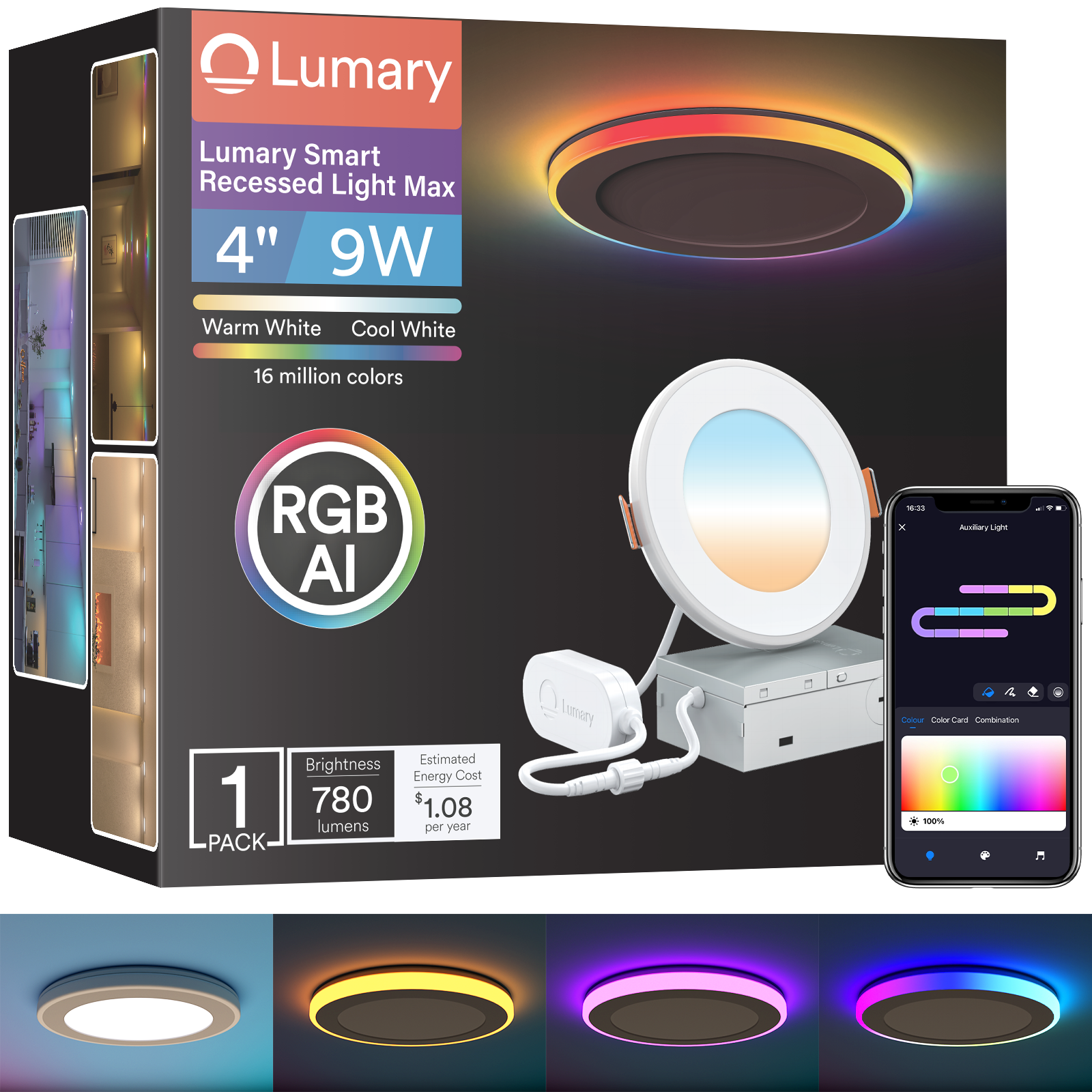
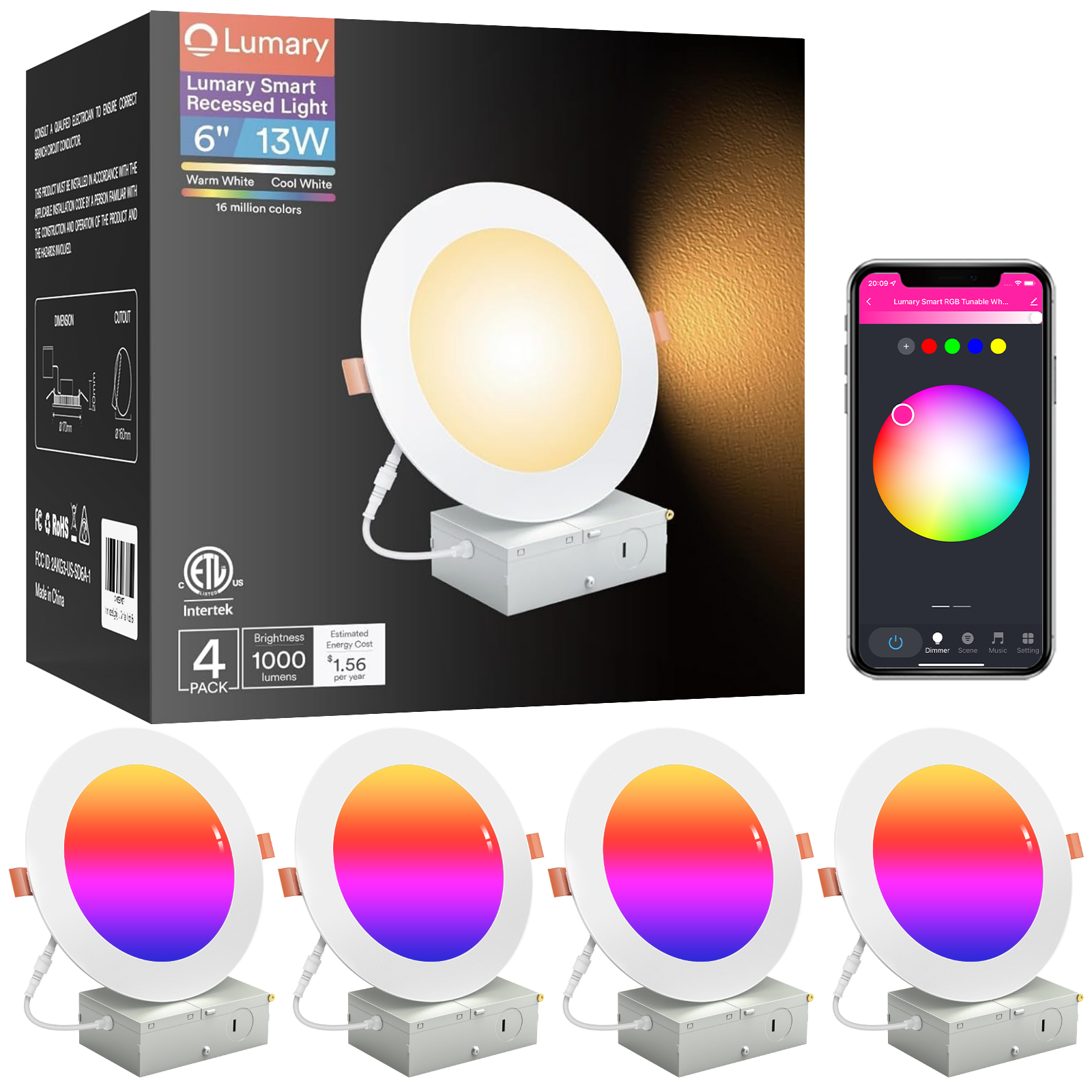
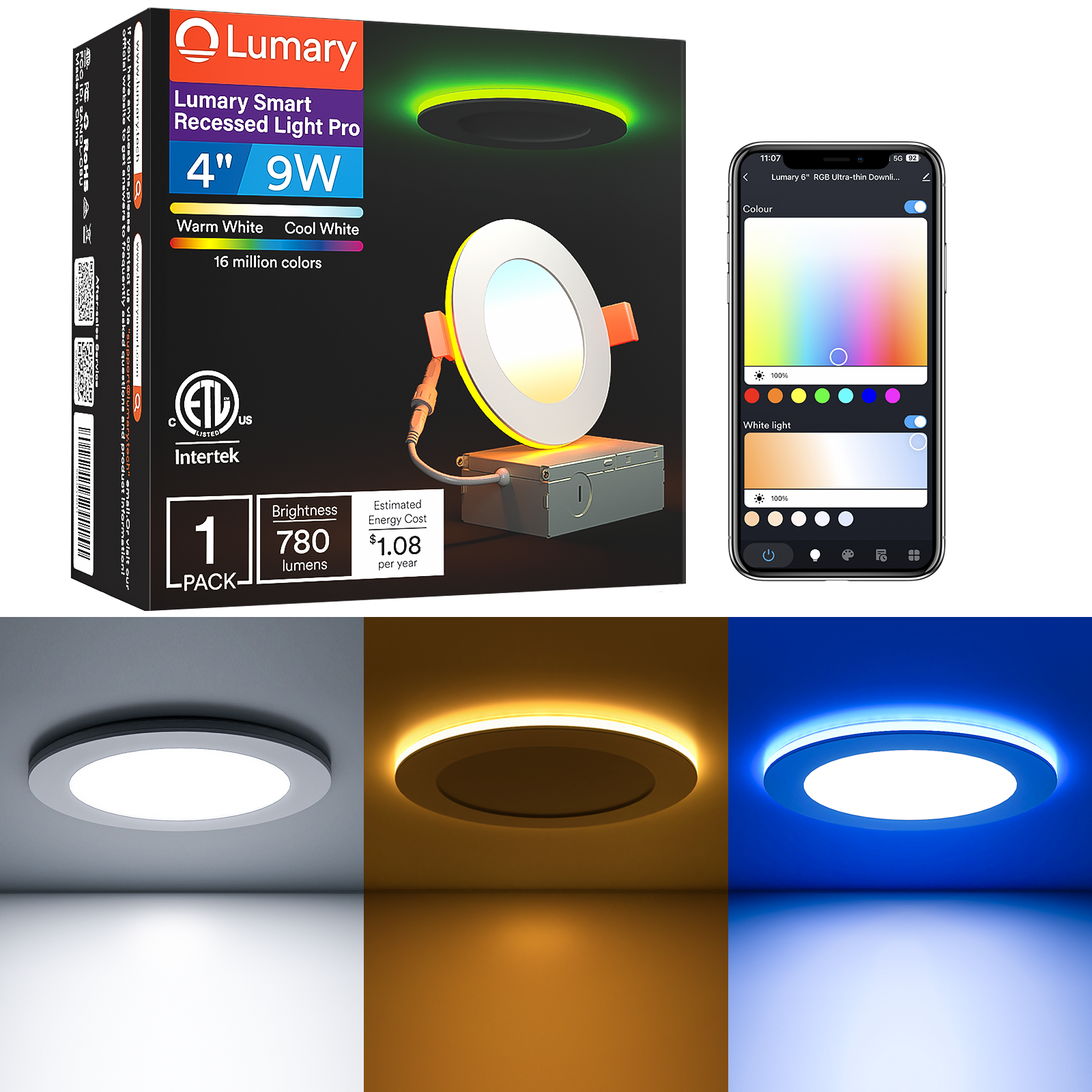
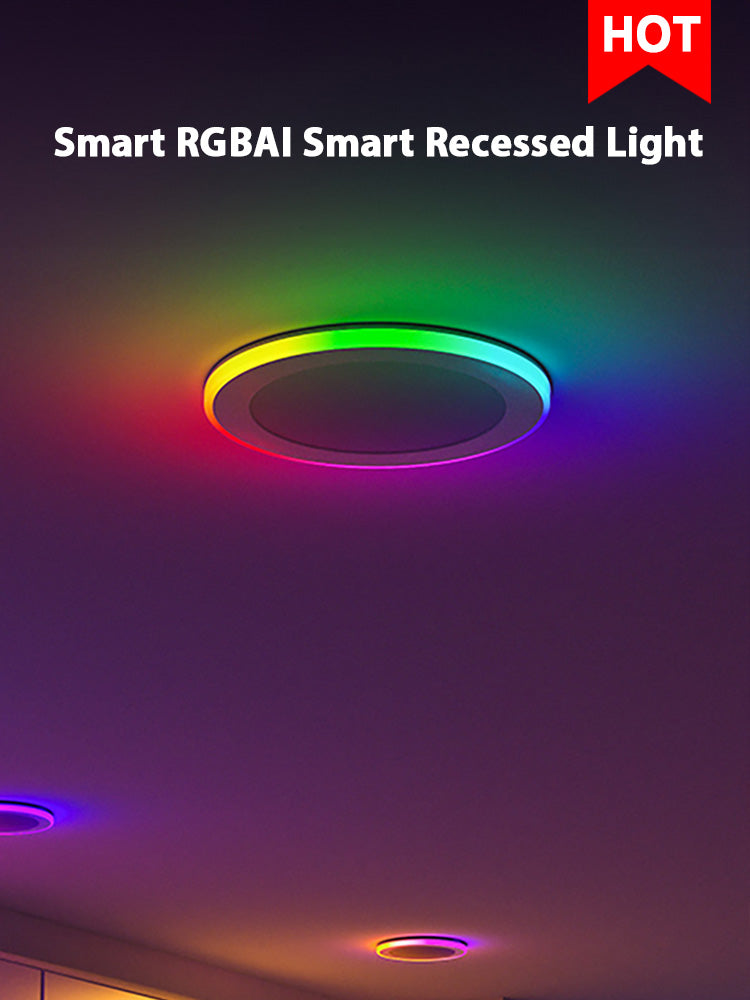


Thinking about making your home look new and cool? Smart recessed lighting helps you set the mood you want. You can save energy and control the lights easily. Just tap your phone or use your voice. Here are some top reasons people choose smart recessed lighting:
|
Reason |
Benefit |
|---|---|
|
Clean lines make rooms look bigger and nicer. |
|
|
Customizable Ambiance |
Change brightness and direction for any event. |
|
Energy Efficiency |
LED lights use less power and save money. |
|
Cost Savings |
Bulbs last longer, so you buy them less often. |
|
Smart Tech Options |
Control lights from anywhere for more comfort. |
Are you ready to begin? Let’s get started!
Key Takeaways
-
Smart recessed lighting makes your home look better and saves energy. Use LED lights to pay less for electricity.
-
Plan your lighting layout with care. Think about the room size and what you use it for. This helps you avoid dark spots and get even lighting.
-
Always turn off the power before you start installing. Safety is very important for any DIY project.
-
Connect your smart lights to Wi-Fi or a hub. This lets you control them easily. You can use apps or voice commands for convenience.
-
Check and take care of your smart lights often. Clean the fixtures and update the firmware. This helps them work well.
 What You Need for Smart Recessed Lighting
Tools and Materials
Get all your tools and materials before you start. This helps you work faster and keeps you safe. Here is a simple list:
-
Stud finder: Helps you find beams in the ceiling.
-
Drywall saw: Lets you cut holes for your smart recessed lighting.
-
Tape measure: Makes sure your lights are spaced evenly.
-
Screwdriver: Used to tighten fixtures and junction boxes.
-
Wire stripper: Gets wires ready for your smart lights.
-
Voltage tester: Checks if the power is off before you touch wires.
-
Recessed lighting kit: Has the smart recessed lighting fixtures, like Lumary Smart Wi-Fi Canless Recessed Lights.
-
Electrical wiring: Needs to match your home’s system.
-
Junction boxes: Keep wire connections safe.
-
Wire connectors: Hold wires together tightly.
-
Ceiling template: Shows where to cut holes for your smart lighting.
Tip: Always check that the power is off before you start your diy project.
Choosing Smart Recessed Lights
It can be hard to pick the best smart recessed lighting. There are many good choices. Look for lights that are easy to use, save energy, and last a long time. Here are some top picks for 2026:
-
Philips Hue White Ambiance Smart Retrofit Downlight: You can change brightness and color with your phone or voice.
-
Halo RL560 Series LED: Saves energy, looks modern, and lets you pick the color.
-
Sunco Lighting LED Downlight: Easy for diy, bright, and has a 7-year warranty.
-
Ensenior Ultra-Thin LED: Uses less energy but is still very bright.
-
Lithonia Lighting WF6 LED: Gives even light, can dim, and lasts a long time.
-
Lumary Smart Wi-Fi Canless Recessed Lights: Simple to install, works with smart home systems, and saves energy.
You will probably spend $125 to $300 for each light. Most people pay about $180 for each one. The price depends on how many lights you want and how hard it is to set up.
|
Item |
Cost Range |
|---|---|
|
Installation per light |
$200 – $250 |
|
New wiring per light |
$75 – $150 |
|
Smart bulbs |
$15 – $50 |
|
Permit fees |
$50 – $350 |
Smart Home Compatibility
Smart recessed lighting works best with your smart home system. Check if the kit connects to your favorite apps or voice assistants, like Alexa or Google Assistant. Some smart recessed lighting needs Wi-Fi. Others use a hub. Make sure your home network can handle new devices.
Warranty is important. Many smart recessed lighting products, like wafer downlights, have a 5-year warranty if you use them right and keep your receipt. The warranty usually covers the fixture, not the installation or damage from using it wrong.
Note: Always buy your smart recessed lighting kit from an authorized dealer so you get the full warranty.
 Plan and Mark Your Install
Select Lighting Locations
You want your smart recessed lighting to look great and work well in your home. Start by thinking about the size of each space and the ceiling height. Bigger rooms need more smart fixtures to spread light evenly. If you want to highlight a reading nook or kitchen counter, use adjustable smart recessed lights for focused lighting. For general lighting, plan for enough smart bulbs to avoid dark spots. Using LED smart bulbs helps you save energy and money. When planning the layout, decide if you need new construction recessed lights for a new home or remodel recessed lights for an upgrade. Smart recessed lighting gives you a modern look and saves space, which is perfect for smaller rooms.
Tip: Always consider the purpose of each area. Task lighting works best for kitchens and offices, while ambient lighting suits living rooms and bedrooms.
Mark and Space Fixtures
Once you know where you want your smart recessed lighting, grab your tape measure and ceiling template. Mark the spots for each fixture. Spacing matters! Check out these guidelines:
|
Ceiling Height |
Notes |
|
|---|---|---|
|
8 feet |
Every 4 feet |
Good for general lighting |
|
10 feet |
Every 5 feet |
Prevents cramped feel |
|
Above island |
24–30 inches |
Straight line placement |
You want your smart recessed lights to look balanced and give even lighting. Avoid placing fixtures too close to walls or corners. This helps you get the best results from your diy installation.
Check Wiring and Power
Before you install anything, check your home’s wiring and power sources. Use a voltage tester to make sure the power is off. Look for common issues like overheating, flickering, or fixtures not turning on. Here’s a quick guide:
|
Issue |
Description |
|---|---|
|
Overheating and Thermal Cutoff |
Can happen if you use the wrong bulbs or install fixtures incorrectly. |
|
Flickering or Intermittent Lighting |
Often caused by loose wires or bad dimmer switches. |
|
Fixture Not Turning On |
Might be a burned-out bulb, loose wire, or tripped breaker. |
If you spot any problems, fix them before you start your smart recessed lighting installation. This keeps your home safe and makes your diy project go smoothly.
Install Smart Recessed Lights
Ready to dive into the step-by-step installation guide? This part will walk you through how to install smart recessed lights safely and easily. You’ll learn how to remove old fixtures, wire and mount your new smart lighting, and make sure everything works before you finish up. Let’s get started!
Turn Off Power and Remove Old Fixtures
Safety comes first every time you install recessed lighting. Before you touch anything, always turn off the power at your circuit breaker. Never skip this step. Here’s how you can safely remove old fixtures and get ready for your new smart installation:
-
Go to your home’s breaker box and switch off the power to the room where you’ll install smart recessed lights.
-
Use a non-contact voltage tester to double-check that the power is really off. This keeps you safe from shocks.
-
If you have an old fixture, take off any glass covers or shades.
-
Unscrew the fixture from the ceiling using a screwdriver.
-
Gently pull the fixture down and disconnect the wires by unscrewing the wire nuts. You might see a copper or green ground wire—disconnect that too.
-
Check that the electrical box is secure and look at the wiring. If you see any damage, fix it before you move on.
Tip: Always keep the area clear and use a sturdy ladder for your diy installation.
Wire and Mount Fixtures
Now you’re ready for the main part of the installation. Wiring and mounting your smart recessed lights takes patience, but you can do it if you follow these steps:
-
Use your tape measure and ceiling template to mark where each smart fixture will go. Make sure the spacing matches your lighting plan.
-
Before you cut, use a stud finder to check for beams or wires in the ceiling. You don’t want to hit anything hidden.
-
Cut the holes for your smart recessed lights using a drywall saw.
-
Prepare the new fixture by checking that all parts are there and nothing is damaged.
-
Connect the wires: match black (or red) to black, white to white, and green or bare copper to the ground wire. Use wire nuts to keep the connections tight.
-
Push the fixture into the ceiling hole. Make sure it fits snug and sits flush with the ceiling.
-
Secure the fixture using the clips or brackets that came with your smart recessed lighting kit.
Here’s a table of common wiring mistakes and how to avoid them:
|
Mistake |
How to Avoid |
|---|---|
|
Mixing line-voltage and low-voltage wires |
Keep at least six inches between 120-volt and low-voltage wires. |
|
Overstuffing outlet boxes |
Make sure there’s enough space for all wires. Don’t cram too many wires into one box. |
|
Insulating too close to recessed lighting |
Leave at least three inches between insulation and your smart recessed lights. |
|
Burying splice boxes |
Always keep splice boxes easy to reach for future repairs. |
|
Spread out your lights so you don’t put too much load on one circuit. |
|
|
Improper wire connections |
Use wire nuts and check that all connections are secure before you finish fixture installation. |
Note: If you’re installing retrofit recessed lighting, make sure the new fixture fits the existing hole and wiring.
Install Bulbs and Test
You’re almost done! Now it’s time to install the bulbs and test your new smart recessed lights. This step makes sure your installation works and your lighting looks great.
-
Put the recommended LED bulbs into each smart fixture. LED bulbs last longer and save energy.
-
Restore power at the breaker box.
-
Use your smart lighting app (like Lumary or Philips Hue) to connect to the new lights.
-
Try turning the lights on and off with your phone or voice assistant.
-
Check that each light responds to commands. Adjust the color temperature and brightness to see if everything works.
-
Test special modes, like nightlight or color-changing features, if your smart recessed lights have them.
-
Walk around the room and look for any dark spots or flickering. If you see a problem, turn off the power and check your wiring.
Here’s a quick table of best practices for testing the lights:
|
Best Practice |
Description |
|---|---|
|
Ensure proper wiring |
Double-check all connections and use the right wire gauge for your installation. |
|
Test the circuit |
Turn the lights on before you finish to catch any problems early. |
|
Use LED bulbs |
Choose LED bulbs for energy savings and longer life. |
Tip: If you run into trouble during installation, don’t be afraid to ask for help. Sometimes a second set of eyes can spot a simple fix.
You’ve just completed the core steps to install smart recessed lights in your home. This diy project gives you modern lighting and smart control, all with your own hands!
Set Up Smart Features at Home
Connect to Wi-Fi or Hubs
You want your smart recessed lighting to work smoothly every day. Most smart bulbs connect straight to your Wi-Fi, which is great if you only have a few devices. If you plan to install a lot of smart lights, using a hub with Zigbee or Z-Wave technology helps your system run better. These hubs create a separate network, so your Wi-Fi does not get crowded. Many smart bulbs, like those from Samsung and Philips, use Zigbee. You just need a hub to link them to your home system. Zigbee and Z-Wave lights give you reliable performance and easy integration.
-
Connect smart bulbs directly to Wi-Fi for simple setups.
-
Use a Zigbee or Z-Wave hub for bigger smart lighting systems.
-
Hubs help your smart lights stay connected without slowing down your Wi-Fi.
Tip: Always check your smart lighting kit to see if it needs a hub or works with Wi-Fi alone.
Integrate with Apps and Voice Assistants
You can control your smart recessed lighting with your favorite apps and voice assistants. This makes your home feel modern and easy to manage. Many smart lighting systems work with Amazon Alexa and Google Assistant. You just link your smart lights to the app, then use your voice or phone to turn them on or off.
|
Smart Home App/Voice Assistant |
Compatible Products |
|---|---|
|
Amazon Alexa |
HALO Home, NuWatt Lighting |
|
Google Assistant |
HALO Home, NuWatt Lighting |
-
HALO Home and NuWatt Lighting let you use voice commands for hands-free control.
-
You can group smart lights by room for easier management.
Configure Dimming and Schedules
Setting up dimming and schedules helps you get the most from your smart recessed lighting. You can make your lights brighter in the morning and softer at night. Most smart lighting apps let you set up these features in a few steps:
-
Download the app for your smart lights.
-
Pair your devices by following the app instructions.
-
Assign smart lights to rooms or groups.
-
Create scenes for different times, like "Prep," "Evening," or "Night."
-
Set schedules so your smart lights turn on or off automatically.
You can also use personal dimming controls or voice commands to adjust brightness. Time-based scheduling makes your smart lighting fit your daily routine.
Note: Test your smart lighting setup to make sure dimming and schedules work as you want.
Troubleshooting and Safety Tips
Common Install Issues
You might run into a few problems when you set up smart recessed lighting. Here are some of the most common issues people face:
-
Installation safety issues, like loose wires or poor connections
-
Dim light output that makes rooms look dull
-
Color inconsistency between smart bulbs
-
Intermittent lighting that flickers or turns off by itself
-
Unexpected outages where lights stop working
-
Buzzing noise from the fixtures
-
Glare that makes it hard to see
If you notice any of these, check your wiring and make sure you use the right bulbs for your smart system. Clean your fixtures often to keep brightness and color strong. Update your smart lighting firmware to fix bugs and improve performance.
Connectivity Problems
Smart lighting sometimes loses connection or does not respond. You can try these steps to fix most problems:
-
Move your Wi-Fi router to a central spot in your home for better coverage.
-
Keep the router away from big metal objects and appliances to limit interference.
-
Restart your router if your smart lights drop offline.
-
Update your network settings and firmware for better compatibility.
-
Inspect each smart fixture for damage, like burnt-out bulbs or loose wires.
-
Use a multimeter to check if the fixture gets the right voltage.
-
Look for signs of moisture or damage around your smart lights.
You can also spread your smart bulbs across different circuits to avoid network overload. This helps your smart system stay stable.
Safety Precautions
Ensuring safety is the most important part of any smart lighting project. Always follow these steps:
-
Turn off the power at the breaker and use a voltage tester to make sure the power is off.
-
Prepare your work area by moving furniture and covering the floor.
-
Use a stud finder to locate ceiling joists and mark your smart lighting spots.
-
Cut holes in the ceiling with a saw.
-
Run the electrical cable through the housing as the manufacturer says.
-
Connect the wires, matching colors and securing with wire nuts.
-
Install the trim and the right bulb for your smart fixture.
-
Restore power and test your smart lights.
Tip: Clean your smart fixtures regularly and check for firmware updates. This keeps your smart lighting bright and reliable.
If you ever feel unsure, ask a professional for help. Your smart lighting should make your home safer and more comfortable.
You now know how to put in smart recessed lighting. Many people can do this project themselves. It feels good to finish and see the results. Homeowners are happier after they install smart lighting. You will pay less for electricity and your house will be brighter. Your rooms will feel more cozy and nice. Here are some things you get with smart recessed lighting:
-
LED recessed lights use much less electricity.
-
Smart lighting works for many years before you need new bulbs.
-
Automatic features help save energy and lower pollution.
Have fun with your new lights! If you find wiring too hard or have big problems, ask an expert for help.
FAQ
How long does it take to install smart recessed lighting?
Most people finish in one afternoon. If you have experience with DIY projects, you might work faster. New installers may need a little more time. Take breaks and check your work as you go.
Can I use smart recessed lights with a dimmer switch?
You should not use a regular dimmer switch with most smart lights. Use the app or voice controls for dimming. Some smart lights work with special smart dimmers. Always check the product instructions.
What if my smart lights keep disconnecting from Wi-Fi?
Try moving your router closer to the lights. Remove anything that blocks the signal. Restart your router and update your app. If you still have trouble, consider using a smart hub for better connection.
Do smart recessed lights work during a power outage?
No, smart lights need electricity to work. If the power goes out, your lights will turn off. When the power comes back, most smart lights reconnect automatically.

