


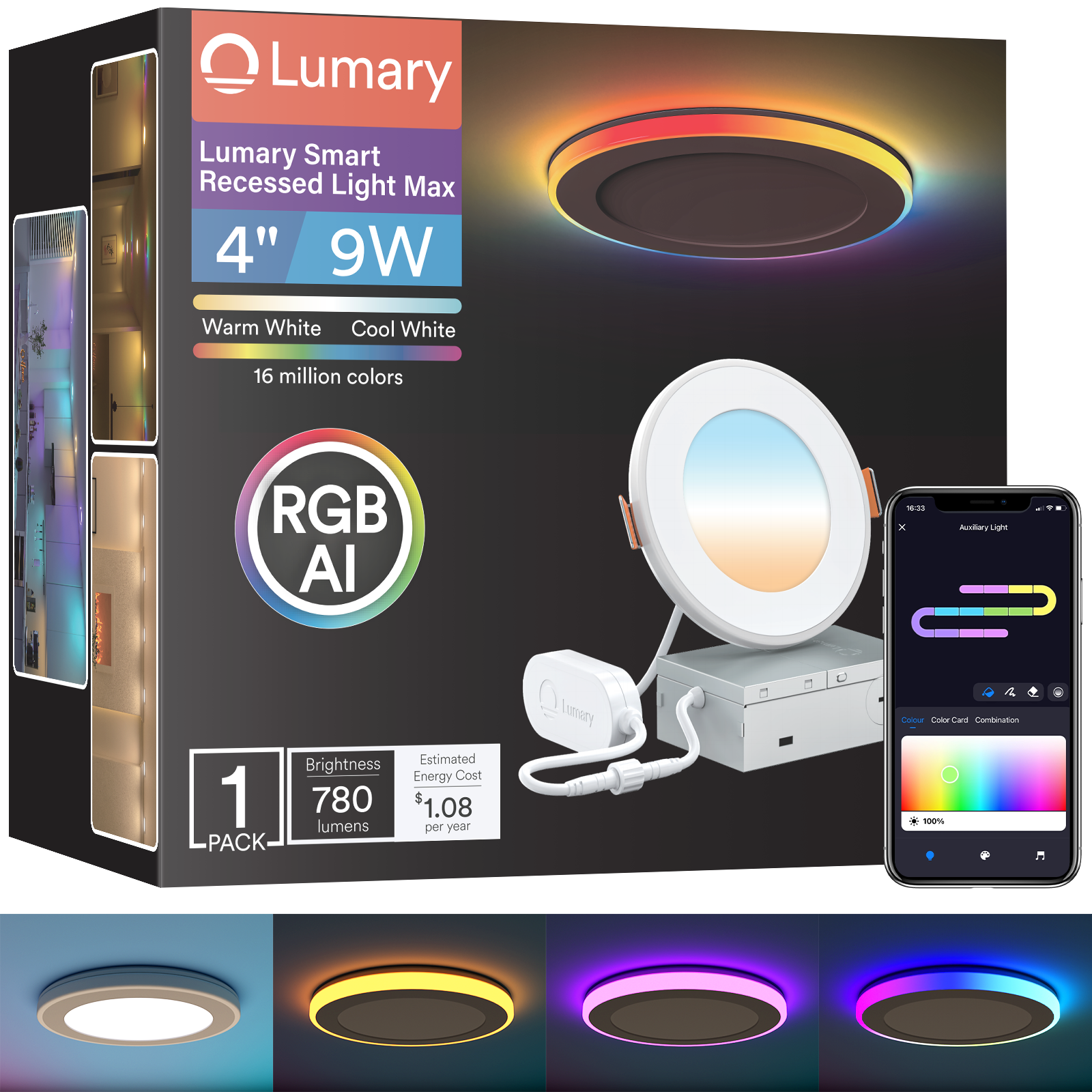
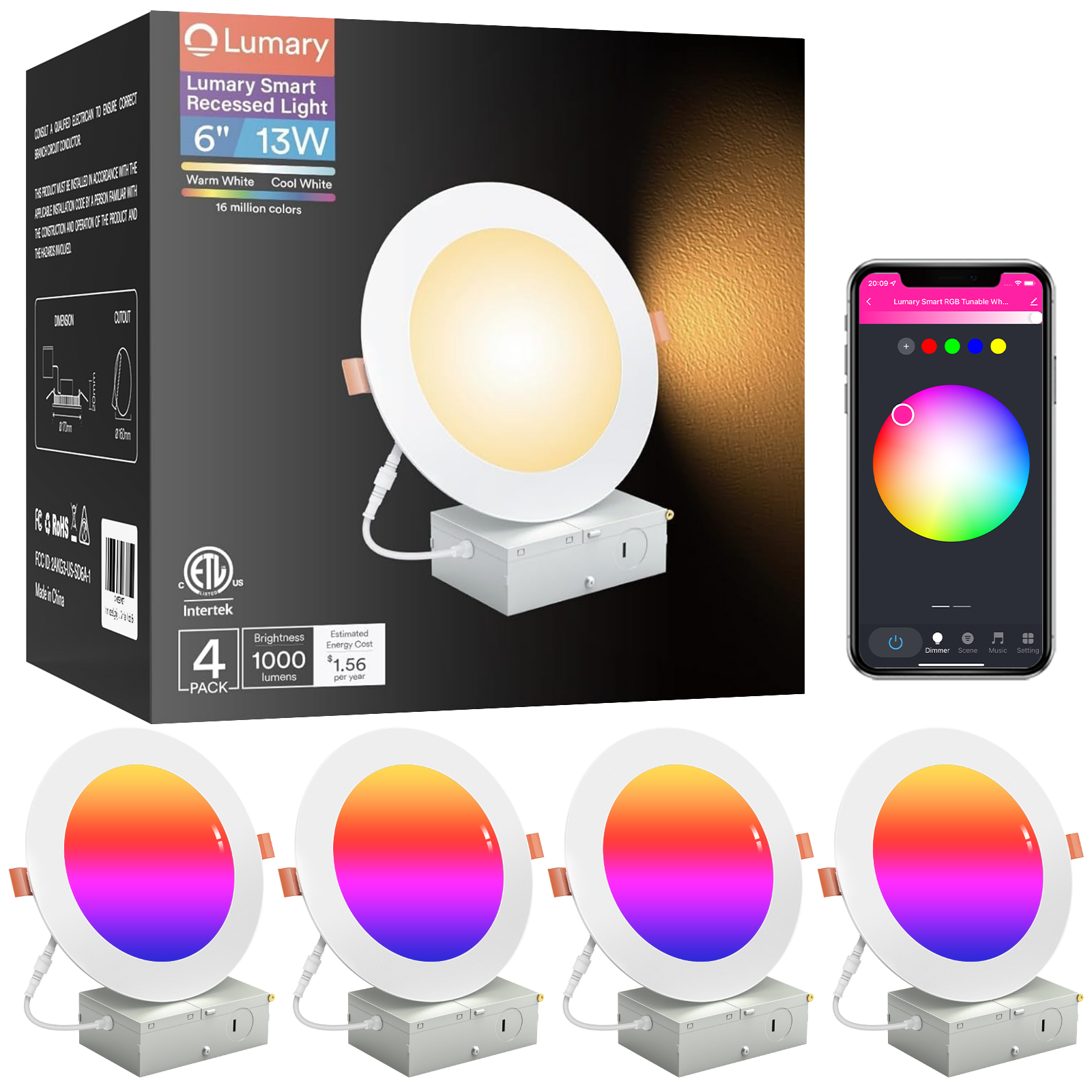
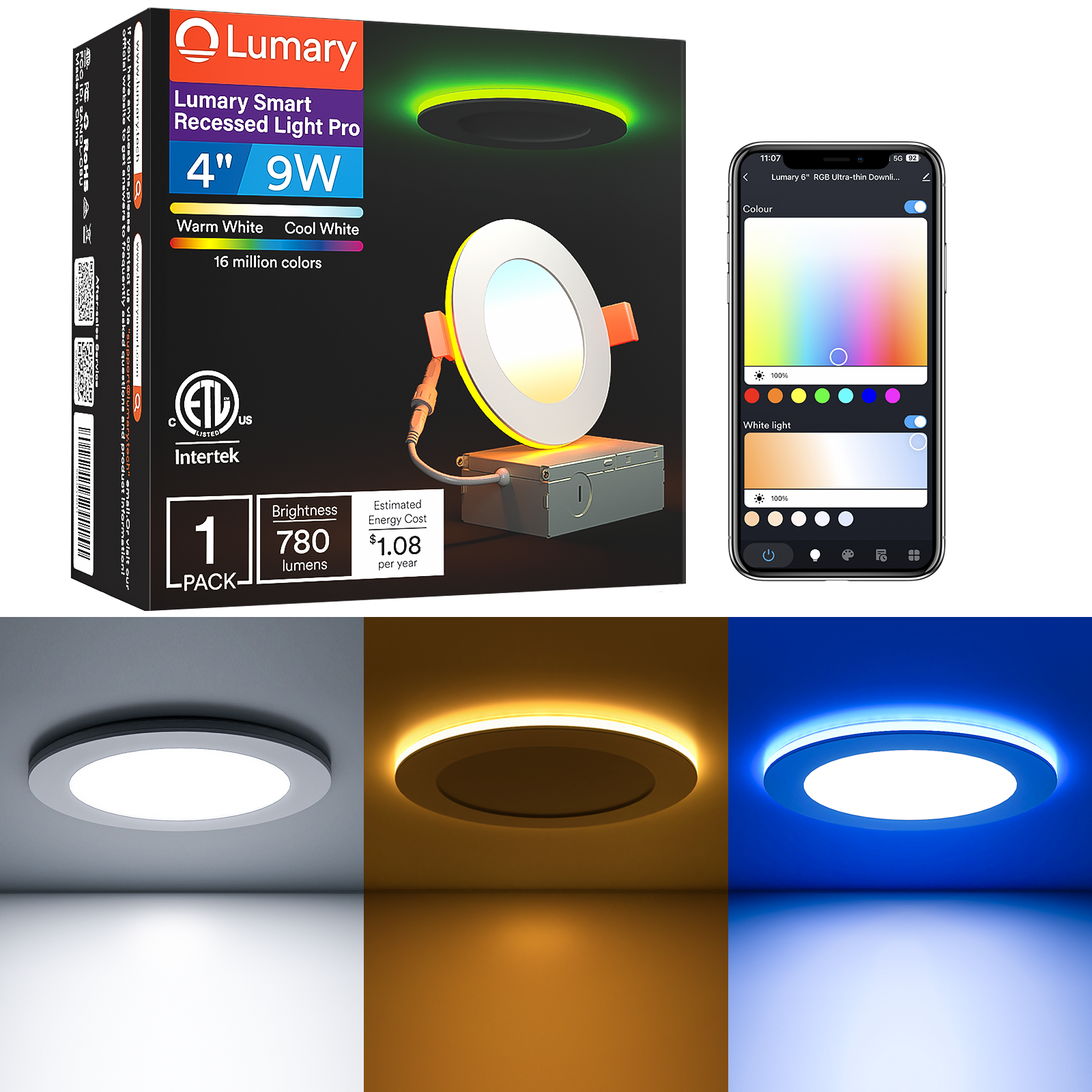
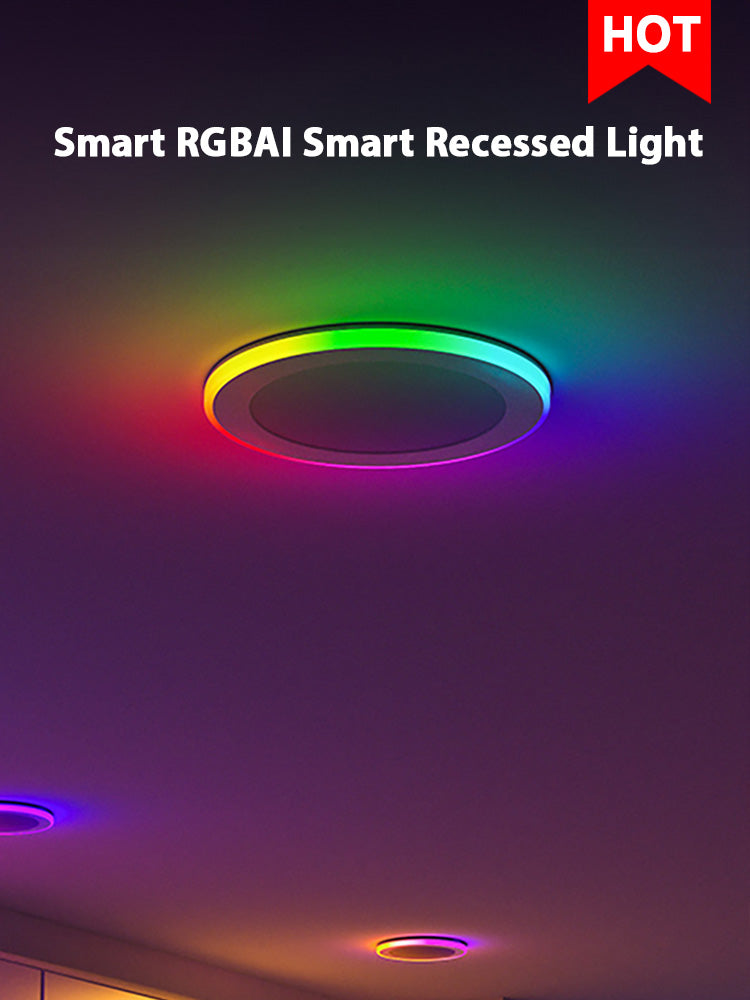


You can install permanent outdoor lights safely by taking it step by step. Start with a solid plan and always follow safety guidelines. Great lighting does more than brighten your yard—it makes your home look cared for and boosts security. Many homeowners find permanent outdoor lights worth the investment because they can raise your property value and curb appeal.
Homes with impressive outdoor lighting can sell for up to 7% more, and smart lights help your house stand out. With clear instructions, you’ll find the process easy and rewarding.
 Key Takeaways
-
Begin with a good plan for your outdoor lights. Pick spots that show off your home's best parts and stay away from dangers.
-
Use the correct tools and supplies for putting in the lights. You will need things like a power drill, ladder, and weatherproof fixtures.
-
Think about using smart controls for ease. These let you control your lights with your phone or by talking.
-
Check and clean your lights often to keep them working well. Doing this easy upkeep can help your lights last longer.
-
Pick strong lighting choices like LED or solar-powered lights. These use less energy and do not need much care.
Tools and Materials for Permanent Outdoor Lights
Essential Tools for Safe Installation
To make your permanent outdoor lights last, you need the right tools and materials. Most people use a power drill or screwdriver, a ladder, measuring tape, and a marker. These tools help you put up fixtures, measure spaces, and mark where to drill. A ladder stabilizer helps you stay safe when you work high up. If you want to put lights on your roof or tall walls, you really need a ladder stabilizer.
Tip: Check your tools before you begin. Make sure your ladder is strong and your drill has power.
Here’s a simple checklist for your project:
-
Power drill or screwdriver
-
Ladder
-
Ladder stabilizer
-
Measuring tape
-
Marker
Recommended Lighting Types and Materials
Picking the right lights is important. LED landscape lighting is good for gardens and walkways. Solar-powered outdoor lighting saves energy and does not need wires. Low-voltage outdoor lighting is safe and simple to set up. Motion sensor floodlights turn on when someone walks by and help keep your home safe. Hardscape lighting is nice for patios and stairs.
If you want the best diy permanent christmas lights, pick ones that last and have smart features. Lumary Permanent Outdoor Lights are known for being strong and easy to use. Many people like Lumary for professional outdoor lighting installation because the lights can handle bad weather and work with smart controls.
|
Lighting Type |
Benefits |
|---|---|
|
Uses less energy, works many places |
|
|
Solar-Powered Outdoor Lights |
Good for the planet, no wires needed |
|
Low-Voltage Outdoor Lighting |
Safe, simple to put in |
|
Motion Sensor Floodlights |
Keeps you safe, turns on by itself |
|
Hardscape Lighting |
Makes patios and stairs look nice |
Smart Controls and Accessories
Smart controls let you use your phone or voice to control your permanent outdoor lights. You can set timers, pick colors, and change how bright the lights are. Accessories like weatherproof connectors and cable clips help keep your system neat and safe. If you want your lights to feel professional, add smart switches and remote controls.
Note: Smart controls make it simple to add more lights later. You can change your system without moving wires.
 Planning Your Installation Safely
Choosing Locations and Power Supply
Before you start, think about where you want your lights. Good planning helps you avoid problems later. Pick spots that highlight your home’s best features, like walkways, gardens, or patios. Stay away from water sources to prevent electrical hazards. Use lights made from tough materials like aluminum or stainless steel. These last longer, especially in harsh weather. If you want something easy to install, solar-powered lights work well for most climates.
Here are some things to consider when picking locations:
-
Place lights to show off trees, paths, or your front door.
-
Make sure fixtures are high enough for even light.
-
Use weather-resistant materials.
-
Don’t put cords where people walk.
You also need to plan your power supply. Choose outdoor-rated equipment and outlets. If you want smart features, Lumary Permanent Outdoor Lights offer great options for durability and easy control.
Tip: Use GFCI outlets outside. They help protect you from electric shock.
|
Description |
|
|---|---|
|
Use outdoor-rated equipment |
All parts should handle rain, snow, and sun. |
|
Install GFCI protection |
GFCI outlets or cords keep you safe from shocks. |
|
Proper grounding |
Ground wires lower the risk of electrical problems. |
|
Keep cords elevated |
Don’t let cords sit in busy areas. |
|
Regular inspections |
Check your system often for damage or wear. |
Mapping and Measuring Layout
Draw a simple map of your yard. Mark where you want each light. Use a measuring tape to check distances. This helps you buy the right amount of wire and fixtures. Try using a lux meter if you want to measure how bright your lights will be. Take readings at different spots to see if you need more or fewer lights.
Professional installers follow these steps:
-
Use a lux meter to measure light levels.
-
Check for glare and brightness with special tools.
-
Make sure all lights match in color.
-
Follow local lighting rules.
-
Plan for energy savings with dimmers or motion sensors.
-
Gather info about your yard before you start.
-
Take readings in many places.
-
Adjust your plan if needed.
Calculating Power Needs
You want your lights to work safely and efficiently. Start by figuring out how much area each light will cover. Measure the perimeter of your space. Use wattage charts to add up the total power your system needs. This helps you pick the right transformer and avoid overloading your circuit.
|
Step |
Description |
|---|---|
|
1 |
Measure the area each light will cover. |
|
2 |
Add up the total length around your yard or patio. |
|
3 |
Use wattage charts to find out how much power you need for all your lights. |
Note: Always check your total power needs before buying a transformer or connecting to your home’s power.
 Step-by-Step Instructions to Install Permanent Outdoor Lights
Ready to light up your home? Let’s walk through the step-by-step instructions you need to install permanent outdoor lights. You’ll find this process simple if you follow each part carefully. Whether you want the best diy permanent christmas lights or a year-round glow, these steps will help you get it right.
Preparing the Work Area
Start by getting your space ready. You want a clean, safe area before you begin any diy permanent christmas lights project. Here’s what you should do:
-
Gather Necessary Tools and Materials
Collect everything you need. Grab screwdrivers, drills, wire strippers, measuring tape, and a sturdy ladder. Don’t forget your lighting fixtures, mounting brackets, wires, connectors, and weatherproof covers. -
Take Safety Precautions
Turn off the power at the breaker. Use insulated tools. Always follow the manufacturer’s instructions. If you feel unsure, ask a professional for help. Place your ladder on a flat surface. Keep three points of contact when climbing. Have someone spot you if possible. -
Clear the Area
Remove any debris, leaves, or dirt from where you plan to work. Wipe down surfaces where you’ll mount fixtures. This helps your diy permanent christmas lights stick better and last longer.
Tip: Double-check your tools and supplies before you start. It saves time and keeps your diy permanent christmas lights project running smoothly.
Mounting Fixtures and Running Wires
Now you’re ready to mount your fixtures and run the wires for your permanent outdoor lights. You have a few ways to attach your diy permanent christmas lights, depending on your home and yard. Here’s a quick look at the most common mounting methods:
|
Mounting Method |
Description |
Advantages |
|---|---|---|
|
Pole Mounting |
Attach the fixture to a vertical pole, usually steel or aluminum. |
Easy to reach, adjustable height, stable, less light pollution. |
|
Wall Mounting |
Fix the fixture directly to a wall or building. |
Simple to install, uses existing structures. |
|
Foundation Mounting |
Set the fixture into a poured concrete base. |
Very stable and durable, great for tough soil or windy spots. |
|
Cross-arm Mounting |
Attach fixtures to a horizontal arm on a pole. |
Easy to adjust and maintain, often used for street or driveway lighting. |
Pick the method that fits your diy permanent christmas lights plan. For most homes, wall mounting or pole mounting works best. Use the screws and brackets that come with your lights. Always follow the instructions from the manufacturer. If you use Lumary Permanent Outdoor Lights, you’ll find the directions clear and the parts sturdy.
When you run wires, keep them neat and safe. Here are some tips:
-
Run wires along the edges of walkways or under mulch.
-
Use clips or staples to hold wires in place after you finish.
-
Hide wires behind plants or along fences to keep them out of sight.
Note: If you want your diy permanent christmas lights to look professional, take your time with this step. Neat wires make a big difference.
Burying and Protecting Wires
You want your diy permanent christmas lights to last through every season. Protecting your wires is key. Here’s how you can do it:
-
Bury wires at least six inches deep. This keeps them safe from lawn tools and pets.
-
Lay landscape fabric under the wires. This stops roots or digging from damaging them.
-
Use PVC conduit for extra protection, especially in areas with lots of rain.
-
In hardscape areas, use expansion joints or metal conduit for added strength.
-
Hide wires under soil, mulch, or decorative stones in garden beds.
-
Guide wires behind bushes or along the edge of your yard.
Here’s a table with the best materials for protecting your wires:
|
Material Type |
Description |
|---|---|
|
PVC Conduit |
Great for wet areas, resists moisture and corrosion. |
|
Metal Conduit |
Tough and strong, good for places with lots of foot traffic. |
|
UF Cable |
Made for direct burial, keeps out water and pests. |
|
THWN Wire |
Has a nylon coating, stands up to water, heat, and sun. |
|
Heat Shrink Tubing |
Seals wire connections tight, keeps out moisture. |
|
Waterproof Electrical Tape |
Adds extra safety around connections, perfect for wet spots. |
Tip: Always check that your wire protection matches your local codes for diy permanent outdoor lighting installation.
Connecting Power and Smart Controls
You’re almost done! Now it’s time to connect your diy permanent christmas lights to power and set up smart controls. Follow these step-by-step instructions for a safe and easy finish:
-
Mount Your Lighting Transformer
Place the transformer in a dry, well-ventilated spot. Keep it away from water and direct sun. Put it close to your main power source. -
Secure the Transformer
Use the screws and brackets provided. Make sure it sits level so water can’t pool around it. -
Connect to Your Transformer and Fixtures
Carefully follow the instructions from your light’s manufacturer. Make secure connections to avoid any electrical hazards. Always turn off the power before you start. -
Set Up Smart Controls
Many permanent outdoor lights, like Lumary, offer smart features. You can use your phone or voice to control your diy permanent christmas lights. Here are some popular smart control features:Feature
Description
Smart scheduling
Lights turn on and off automatically
DIY scene creation
Pick custom colors for any event
Voice assistant pairing
Control lights hands-free
-
Test Your System
Turn the power back on. Check each light to make sure it works. Try out your smart controls. Adjust the brightness, colors, or timers as you like.
Note: If you want to expand your system later, smart controls make it easy to add more diy permanent christmas lights without moving wires.
You did it! With these step-by-step instructions, you can install permanent outdoor lights that look great and work safely. Whether you want the best diy permanent christmas lights for the holidays or a permanent led light installation for year-round beauty, you now have the skills to make your home shine.
 Safety Considerations During Installation
When you put in permanent outdoor lights, safety is very important. Thinking about safety helps you stop accidents and keeps your lights working for a long time.
Using Insulated Tools Safely
Always use insulated tools when you work with electricity. Turn off the power before you start. Lock the electrical system so no one turns it on. Wear a safety harness if you climb a ladder or go on the roof. Make sure your electrical system is grounded. Put on arc-rated clothes, a face shield, and insulated gloves. A safety harness keeps you safer if you slip. Review safety training and do a job safety check before you begin. This helps you find dangers and stay safe.
Following Manufacturer Instructions
Each lighting system has its own instructions. You need to read and follow them carefully. Use lights made for outside. Make sure electrical boxes are easy to reach. Spread your lights across different outlets so you do not overload them. Secure wires so people do not trip. If you use Lumary Permanent Outdoor Lights, the instructions are easy and the weatherproof build is strong.
Weatherproofing and Parallel Wiring
Outdoor lights must handle rain, snow, and sun. Use weatherproof fixtures made from strong materials like aluminum or plastic. Seal all electrical connections with waterproof connectors and silicone. Put in gaskets and O-rings to keep water out. Raise fixtures so water does not collect around them. A safety harness helps you work safely up high. Here are some ways to make weatherproof connections:
|
Method |
Description |
|---|---|
|
Gel-filled connectors |
Gel keeps water out of the connection. |
|
Heat-shrink connectors |
Shrink a sleeve for a tight, weatherproof seal. |
|
Twist-on connectors |
Easy to use, good for low-voltage, weatherproof jobs. |
Test your connections with a multimeter and check them often. Clean your fixtures and look for any damage. Weatherproof parts and regular checks keep your lights safe.
Avoiding Common Mistakes
Some people rush and do not plan first. Always draw a map for your lights before you start. Think about what each light will do and use layers for the best look. Never overload your circuits. Use approved clips and make sure your fixtures are secure. Pick weatherproof products and seal every connection. Plan for easy repairs and keep fixtures easy to reach. Always wear a safety harness for work above the ground.
Tip: Make your system weatherproof and plan ahead. This saves time and stops problems later.
Maintenance and Troubleshooting
Keeping your permanent outdoor lights in top shape is easy when you follow a simple routine. You can avoid most problems with regular checks and a little cleaning. Let’s look at how you can keep your lights shining bright all year.
Routine Inspection and Cleaning
You should inspect and clean your lights every three to six months. This keeps them working well and looking great. The size of your lighting system, your local weather, and how much dust or rain you get can change how often you need to check them.
-
Clean fixtures at least twice a year. Use mild soap and water. Skip harsh cleaners that can damage the finish.
-
Inspect your lights two times a year. Look for dirt, check the voltage, and make sure all connections are tight.
-
Wipe away leaves, bugs, and cobwebs. This helps your lights shine brighter and last longer.
Tip: Set a reminder on your phone so you never forget your next inspection.
Replacing Bulbs and Components
Sometimes, bulbs flicker, dim, or make noise. When this happens, it’s time to replace them. Always turn off the power before you start. Use the right type of bulb for your fixture. If you spot water inside a fixture or see rust, fix it right away. Loose wires or broken parts need quick attention to keep your system safe.
-
Replace bulbs as soon as you notice problems.
-
Check for water, corrosion, or loose wires during each inspection.
-
Follow the steps in your light’s manual for safe replacement.
If you use Lumary Permanent Outdoor Lights, you’ll find that swapping out parts is simple and the instructions are clear.
Expanding or Upgrading Your System
You might want to add more lights or upgrade to smart controls. Planning ahead makes this easy. Here are some best practices for growing your system:
|
Best Practice |
Description |
|---|---|
|
Scalability |
Plan for future upgrades and expansions across the property. |
|
Control Options |
Use systems with multiple control zones and remote management. |
|
Product Family |
Try different lighting options like landscape or decorative lights. |
|
Maintenance |
Pick systems with good support and easy repairs. |
|
Budgeting |
Check the return on investment before making big upgrades. |
If you want the best diy permanent christmas lights or year-round lighting, choose a system that lets you add new features without hassle. Smart controls and products like Lumary Permanent Outdoor Lights make upgrades simple and fun.
You can put in permanent outdoor lights if you follow easy steps. Make a plan first, then pick the right wire gauge. Always keep your connections waterproof so water does not get in. If you take care of your lights, they will stay bright and work well. Here is a quick table to compare:
|
Factor |
Permanent Lighting |
Temporary Lighting |
|---|---|---|
|
Reliable, no yearly roof damage |
Risk of accidents |
Permanent outdoor lights are a good investment. They help you feel safe and make your house look better. If you want something you can trust, Lumary Permanent Outdoor Lights are a great choice. Are you ready to light up your house? Start your project now!
FAQ
How long do permanent outdoor lights last?
Most permanent outdoor lights last 5 to 10 years. If you clean them and check for damage, they can last even longer. LED lights usually last the longest.
Can I install permanent outdoor lights myself?
Yes, you can! Many people install these lights on their own. Just follow the instructions, use safe tools, and plan your layout. If you want an easy option, try Lumary Permanent Outdoor Lights.
Do permanent outdoor lights use a lot of electricity?
No, most use LED bulbs that save energy. You can run them for hours without a big jump in your electric bill. Solar-powered options use no electricity at all.
What should I do if a light stops working?
First, check the bulb and connections. Replace the bulb if needed. If the problem continues, look for loose wires or water damage. Always turn off the power before you fix anything.
Are permanent outdoor lights safe in bad weather?
Yes, they are made to handle rain, snow, and wind. Make sure you use weatherproof fixtures and seal all connections. This keeps your lights safe all year.

