




Full spectrum light bulbs give you bright, natural-looking light. This light can make your room look better and work better. But these bulbs can cost more at first. You might also have trouble making them fit with your lights. Many people say full spectrum recessed light bulbs help you see colors better. They also make your room feel like it has daylight inside. This can help you focus and feel happier. LED full spectrum light bulbs use less energy than old bulbs. They also last longer, so they save energy and money. Bright, daylight-like light helps you stay awake and ready to work. This is good for classrooms or work spaces. When picking recessed light bulbs, think about what you need. You may want smart controls, different colors, or easy setup. This helps you get the best light for your room.

Key Takeaways
-
Full spectrum recessed light bulbs give off bright, natural light. This light looks like daylight. It helps you see colors better. It can also make your eyes feel less tired.
-
These bulbs can help your mood and focus. They support your body’s natural clock. They work best when you use them during the day.
-
Full spectrum LED bulbs use less energy. They save you money over time. They last longer than regular bulbs.
-
Smart controls and color changes let you set your lights how you want. You can change the lights for different moods or things you do.
-
Think about the higher starting price before you buy. There might be glare. Make sure the bulbs work with your fixtures.

Pros of Full Spectrum Light Bulbs
Color Accuracy
You want your room to show real colors. Full spectrum light bulbs help you see colors the way they look outside. These bulbs use all the colors you can see, so they copy daylight. The color rendering index (CRI) for full spectrum LED lighting is usually higher than 96. This is much better than most regular LEDs. You can check the table below to see the difference:
|
Light Bulb Type |
Typical CRI Range |
Color Temperature (K) |
Notes on Spectrum and Color Accuracy |
|---|---|---|---|
|
Full Spectrum Bulbs |
Above 96 |
5000 - 6500 |
Mimic natural sunlight closely; defined by CRI > 96 and daylight color temperature |
|
Incandescent Bulbs |
Around 100 (warm) |
~2700 (warm) |
Perfect CRI 100 at warm temps; full spectrum minus UVB; highest color accuracy |
|
Traditional LEDs |
65 - 95 |
Variable |
Wide CRI range; generally lower than full spectrum and incandescent; spectrum less complete |
Full spectrum LED lighting lets you see all colors like you would in sunlight. You notice this in places like art rooms, design offices, and stores. These bulbs help stop your eyes from getting tired. They also make your room look brighter and more fun.
-
Full spectrum LED lights have very high CRI, up to 99.
-
These lights give off a steady light like sunlight.
-
Full spectrum lighting is best where color matters, like fashion shops or food displays.
-
The light is close to daylight, so it helps stop glare and tired eyes.

Health & Mood
You spend lots of time inside. Full spectrum light bulbs can help your health and mood. Daylight helps your body’s clock, called circadian rhythm. This clock helps you sleep well and feel awake in the day. Full spectrum LED lighting has blue light that wakes up special parts in your eyes. These parts help set your body’s clock.
Tip: Use full spectrum LED lighting in the day to feel more awake and focused. At night, dim the lights or use warmer colors to help you relax.
Studies show full spectrum lighting can help with sadness and tiredness. Bright, full spectrum light helps people with seasonal affective disorder and depression. You may feel happier and more awake when you use these bulbs at home or work. Getting bright light in the morning, even from daylight, is best for your mood and mind.
Light therapy with full spectrum bulbs can help you feel better in a week. Most people feel happier and less tired. Using full spectrum LED lighting inside helps your mood and mental health.
Versatility
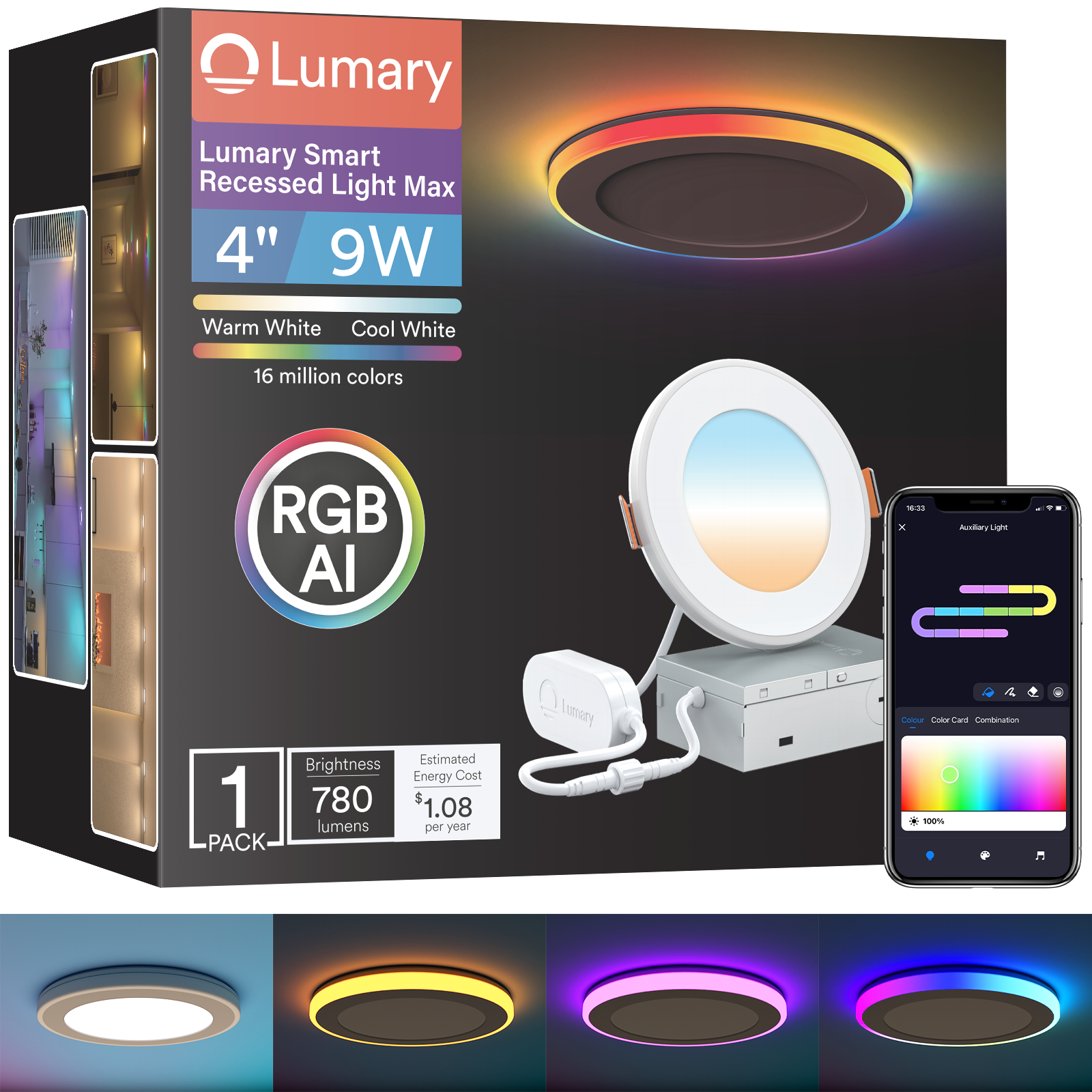
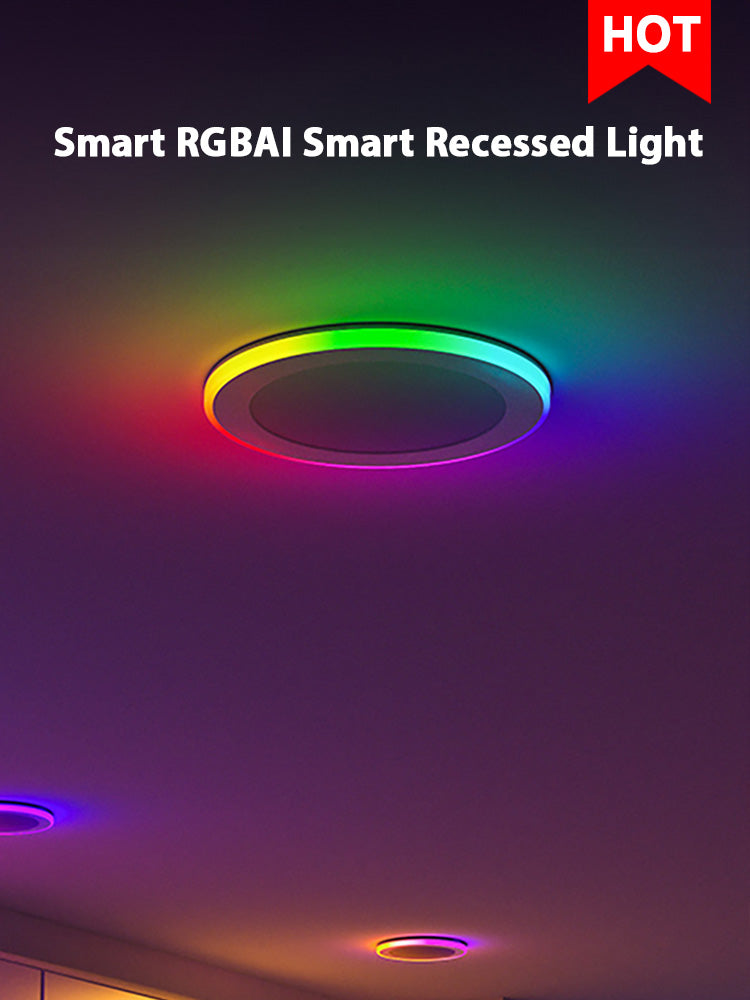
Full spectrum light bulbs work in many places. You can use them in living rooms, bedrooms, kitchens, patios, decks, gardens, and party areas. Smart recessed lighting lets you control the lights with your phone or voice. You can change how bright they are, pick the color, and choose from many colors.
Full spectrum LED lighting is great for reading, art rooms, workshops, and home offices. You get bright, daylight-like light for jobs that need focus and good color. These bulbs also make a fun mood for parties or relaxing nights.
|
Feature |
Full Spectrum Light Bulbs (LED Grow Lights) |
Standard Bulbs (Regular LEDs) |
|---|---|---|
|
Light Spectrum |
Adjustable full spectrum including red, blue, UV, green, and IR wavelengths tailored to plant growth stages |
Fixed white light spectrum lacking critical wavelengths for plants |
|
Adaptability |
Spectrum and intensity can be fine-tuned for different plants and growth phases |
Fixed output, no customization for specific lighting needs |
|
Light Intensity |
High PPFD values (400-1300 µmol/m²/s) optimized for photosynthesis |
Low PPFD, measured in lumens which are not suitable for plant growth |
|
Heat Dissipation |
Advanced aluminum heat sinks reduce heat by 40-50%, allowing closer placement (12-18 inches) |
Higher heat output, requires placement at least 24 inches away |
|
Energy Efficiency |
Converts energy efficiently into photosynthetically active radiation |
Less efficient, wastes more energy |
|
Lifespan |
Over 50,000 hours with high-quality components and cooling technology |
Typically 15,000 to 50,000 hours, less reliable |
You can use full spectrum LED lighting to grow plants inside. The bulbs can fit different rooms and lighting needs. You get the right light for every place.
Energy Efficiency
Full spectrum recessed light bulbs save energy and money. These bulbs use less power than old incandescent or CFL bulbs. You can see the difference in the table below:
|
Bulb Type |
Typical Wattage |
Cost to Run for 24 Hours (at $0.15/kWh) |
|---|---|---|
|
Full Spectrum Recessed LED Bulb |
~10 watts |
$0.036 |
|
Incandescent Bulb |
~60 watts |
$0.22 |
|
CFL Bulb |
~15 watts |
$0.054 |
Running a full spectrum LED bulb for 24 hours costs about 4 cents. Incandescent bulbs cost a lot more. Full spectrum LED lighting uses up to 75% less energy than old bulbs. You get bright, daylight-like light and save money on your bill.

Many full spectrum light bulbs have safety and energy labels. These show the bulbs are safe for wet or closed spaces. You can trust these bulbs to last long and work well in many places.

Cons of Full Spectrum Recessed Light Bulbs
Higher Cost
Full spectrum light bulbs usually cost more than regular bulbs. You pay a higher price when you buy them. This is true if you want smart features or color choices. Some people wonder if paying more is worth it. Over time, you save money because these bulbs use less energy. They also last much longer than regular bulbs. You do not have to replace them as often. Your electricity bill goes down too. The table below shows how the costs compare in one year:
|
Aspect |
Incandescent Bulb |
LED Bulb |
|---|---|---|
|
Wattage |
60 watts |
10 watts |
|
Lifespan |
~1,000 hours (about 100 days) |
~25,000 hours (about 6.85 years) |
|
Bulb Cost |
$0.50 per bulb |
$2.50 per bulb |
|
Energy Consumption |
219 kWh/year |
36.5 kWh/year |
|
Energy Cost |
$26.28/year |
$4.38/year |
|
Replacement Cost |
$1.83/year (3.65 bulbs/year) |
$0.37/year (amortized) |
|
Total Annual Cost |
$28.11/year |
$4.75/year |
|
Annual Savings |
N/A |
$23.36/year compared to incandescent |

You spend more at first, but you save money each year. Smart full spectrum LED lighting lets you control brightness and color. This helps you use less energy.
Glare & Blue Light
Full spectrum light bulbs are very bright. This can cause glare in some rooms. If you use them in small spaces or near shiny things, your eyes may get tired. These bulbs have blue light that keeps you awake during the day. Too much blue light at night can make it hard to sleep. You need to be careful about when you use these bulbs.
|
Blue Light Type |
Wavelength Range (nm) |
Effects and Concerns |
Relation to Full Spectrum Bulbs |
|---|---|---|---|
|
Blue-violet light |
380 - 450 |
High-energy blue light; causes oxidative stress and cumulative retinal damage; linked to photoreceptor cell destruction. |
Full spectrum bulbs emit blue-violet light but in a balanced spectrum, reducing isolated spikes and potential harm. |
|
Blue-turquoise light |
450 - 500 |
Considered beneficial; regulates circadian rhythm and melatonin production; essential for alertness and sleep-wake cycles. |
Present in full spectrum bulbs, contributing to safer, balanced blue light exposure. |
|
Timing of Exposure |
N/A |
Blue light exposure during daytime supports circadian rhythm and alertness; excessive exposure at night disrupts melatonin and sleep patterns. |
Full spectrum bulbs are safer when used appropriately, especially avoiding evening/night use to minimize negative effects. |
|
Bulb Types and Blue Light Emission |
N/A |
Incandescent bulbs emit virtually no blue light; halogen incandescent and full spectrum LEDs emit balanced blue light; cool white LEDs often have harmful blue-violet spikes. |
Full spectrum bulbs with balanced blue light are preferable to cool white LEDs with isolated blue-violet spikes. |
Tip: Use full spectrum LED lighting in the morning and daytime. This helps your body’s clock. At night, switch to warmer light to help you sleep.
You can use apps or settings to filter blue light from screens. Take breaks from bright lights and use warmer colors in the evening.
Compatibility
You might have problems when you put in full spectrum recessed light bulbs. Some fixtures and dimmer switches do not work well with these bulbs. You could see flickering or poor dimming. Sometimes the lights do not turn on at all. Many old dimmer switches are made for regular bulbs, not LEDs. You should check if your switches and fixtures match the bulbs.
-
Full spectrum recessed LED bulbs often do not work with old dimmer switches.
-
You might see flickering or not be able to dim much.
-
Some dimmers need special drivers to work well.
-
Not all LED bulbs can be dimmed, so check before you buy.
-
Smart dimmer switches work better with these bulbs and let you use voice or app controls.
|
Product |
Compatibility with Traditional Dimmer Switches |
Recommended Control Method |
|---|---|---|
|
Smart Bulb |
Not compatible |
Use with smart switch or app control |
|
Smart Switch |
Not a dimmer switch (no dimming function) |
Controls smart bulbs via app/voice |
|
Smart Bulb BR30 |
Not compatible |
Use with app control only |
You get the best results with smart controls made for LED bulbs. This lets you change brightness and color without problems.
Limited Styles
There are not as many style choices for full spectrum recessed light bulbs. Most models focus on how they work and smart features. They do not focus on looks. Some brands have different shapes, trims, and finishes. But there are fewer choices than with regular bulbs. If you want a special look for your ceiling or want to match your room, you may need to look harder.
|
Brand |
Product Line / Model |
Features / Styles Offered |
|---|---|---|
|
CSL Lighting |
Whisper™ Downlights |
Quiet ceiling solution, multiple generations (some limited availability) |
|
CSL Lighting |
Acrobat™ Downlights |
Balance of function and form, multiple generations (some discontinued) |
|
CSL Lighting |
GyroShift™ Downlights |
Adjustable from below ceiling, multiple versions (some discontinued) |
|
CSL Lighting |
ECO™ Downlights |
Budget-friendly, multiple generations (some discontinued) |
|
CSL Lighting |
Shallow Plenum Downlights |
Adjustable beam, low plenum IC box |
|
Brand |
Product Category |
Models / Styles / Features |
|---|---|---|
|
WAC Lighting |
Downlight Collections |
Volta (round/square trims, adjustable up to 45°), Aether (slim profile, square/round, trimless options) |
|
WAC Lighting |
Multiple Recessed |
Silo Multiples (up to 4 lights per space, adjustable beam 15°-45°, 365° horizontal rotation) |
|
WAC Lighting |
Linear Recessed |
Symmetrical, Asymmetrical, Indirect types; accommodates LED tape, field cuttable, ADA-compliant |
|
WAC Lighting |
In-Ground/Outdoor Recessed |
Directional options (one-way, two-way, four-way), water resistant, multiple housing options, color temps |
You may have to pick between smart features and style. If you want more style choices, look for brands with different trims and finishes.
Note: The downsides of full spectrum LED lighting are higher cost, glare, blue light issues, compatibility problems, and fewer style choices. Think about what you need before you buy.
Best Full Spectrum Light Bulbs: Features to Look For
Smart Controls
When you look for the best full spectrum light bulbs, smart controls make a big difference. Smart controls let you manage your light with your voice or a phone app. You can turn the light on or off, change the color, or set a schedule without touching a switch. This makes your daily routine easier and more fun.
Here is a table that shows how smart full spectrum light bulbs compare to regular bulbs:
|
Feature |
Smart Full Spectrum Bulbs |
Non-Smart Bulbs |
|---|---|---|
|
Control Methods |
Voice, app, scheduling, scenes |
Manual switch only |
|
Color & Brightness |
16 million colors, adjustable |
Fixed |
|
Automation & Scheduling |
Yes |
No |
|
Connectivity |
Wi-Fi, mesh, remote/local |
None |
|
Interoperability |
Works with voice assistants |
None |
|
Security & Privacy |
Enhanced |
None |
|
Energy Efficiency |
Lower standby power |
Standard |
|
Setup & Convenience |
Easy setup, no hub needed |
Simple install |
|
User Experience Benefits |
Customization, convenience |
Basic lighting |
With smart controls, you can group lights in different rooms and control them all at once. You can also set the light to match your mood or activity. For example, you can use music sync to make the light change with your favorite song.
Adjustable Color
The best full spectrum light bulbs give you many color choices. You can pick from millions of colors or adjust the white light from warm to cool. This helps you create the right mood for any time of day. In the morning, you might want a bright, cool light to help you wake up. At night, a soft, warm light helps you relax.

Most full spectrum light bulbs let you adjust the color temperature from about 1800K (very warm) to 4000K (daylight). Some even go up to 6500K for a crisp, daylight effect. This range lets you use the same light for reading, working, or relaxing.
Tip: Use cooler light for focus and energy. Use warmer light for calm and comfort.
App & Voice Integration
App and voice integration make your lighting experience even better. You can use your phone to control every light in your home, even when you are away. Voice assistants like Alexa or Google Assistant let you change the light with simple commands.
With app control, you can:
-
Choose from 16 million colors for any mood.
-
Sync your light with music for parties or games.
-
Set schedules so your light turns on or off automatically.
-
Group lights together for easy control.
-
Adjust brightness and color from anywhere.
You do not need to get up to change the light. You just use your voice or app. This makes the best full spectrum light bulbs easy and fun to use every day.

Choosing Recessed Light Bulbs for Your Space
Ideal Uses
You can use recessed light bulbs in many places at home or work. These lights fit into the ceiling, so they give your room a clean and modern look. You often see them in kitchens, closets, and living rooms. They work well for general lighting, task lighting, and accent lighting. When you want to show off artwork or highlight a special spot, recessed lights help you do that without drawing attention to the fixture itself.
-
Recessed lights create the feeling of more space because they stay hidden.
-
You can use them in reception areas, meeting rooms, libraries, and stores.
-
Full spectrum bulbs give you natural daylight indoors, which helps you see colors clearly and makes your space feel bright.
-
These lights work well for reading, cooking, or working on projects that need good color accuracy.
-
In commercial spaces, you can use them for film, photography, or graphic arts where true color matters.
Lighting experts suggest you pick the right color temperature for each room. Warm light (about 2700K) feels cozy and works best in bedrooms or living rooms. If your room does not get much daylight, a slightly higher color temperature (around 3000K) gives a balanced look. Use several lower-brightness bulbs instead of one very bright light for even coverage.
Tip: Layer your lighting by using multiple sources. This helps you create the right mood and makes your space more flexible.
When to Consider Alternatives
Sometimes, recessed light bulbs may not fit your needs. If your ceiling is very low or you want a decorative fixture, you might want to look at alternatives to full-spectrum led lights. Pendant lights, track lighting, or wall sconces can add style and direct light where you need it most. In rooms where you want a soft glow, table lamps or floor lamps may work better.
-
Choose other options if you need a statement piece or want to match a certain decor style.
-
In spaces with lots of natural daylight, you may not need as many artificial lights.
-
If you have old wiring or fixtures that do not support recessed lights, surface-mounted lights are easier to install.
-
For outdoor areas, make sure you pick lights rated for wet locations.
Lighting experts also recommend using dimmers or smart controls to adjust your light. This lets you change the brightness for different times of day or activities. Always think about how you use each room before picking your lighting solution.
Comparison Table: Pros vs. Cons
You want to make the best choice for your home or workspace. Comparing the pros and cons of full spectrum recessed light bulbs helps you see what matters most. The table below shows the main differences between the advantages and disadvantages.
|
Pros |
Cons |
|---|---|
|
Mimic natural daylight |
Higher cost than standard bulbs |
|
Improve mood and reduce fatigue |
Shorter lifespan, more frequent replacements |
|
Reduce eye strain and glare |
Produce less light output per bulb |
|
Better color rendering (CRI over 90) |
Not identical to natural daylight |
|
Help reduce stress hormones |
Not all LED bulbs are full-spectrum |
|
Free of visible flicker |
Careful selection needed |
You notice that full spectrum bulbs give you a balanced, natural-like light. This type of light can make colors look more vibrant and accurate. You may feel less tired and more comfortable when you spend time under this light. Many people say that it helps reduce stress and keeps your eyes from getting strained.
On the other hand, you need to think about the cost. These bulbs often cost much more than regular ones. You might have to replace them more often because they do not last as long. Sometimes, you need more bulbs to get the same amount of light in your room. Full spectrum bulbs do not match real sunlight, even though they come close. You must check the packaging to make sure you get true full spectrum light, since not all LED bulbs offer this feature.
Tip: Always read the label before you buy. Look for bulbs with a high color rendering index and a broad spectrum. This helps you get the best light for your needs.
If you want better color, comfort, and mood, full spectrum recessed bulbs are a strong choice. If you want to save money or need more style options, you may want to look at other types of light.
You get bright, natural light with full spectrum light bulbs. These bulbs help you see colors clearly and may improve your mood. You can adjust the brightness and color to fit your needs. Some models offer smart controls for easy use. You pay more at first and need to check if your fixtures work with these bulbs. Expert testing and safety checks show these bulbs support wellbeing. Think about lighting quality, smart features, cost, and compatibility before you choose.
FAQ
What does "full spectrum" mean in light bulbs?
Full spectrum means the bulb gives off light similar to natural daylight. You see colors more clearly and your room looks brighter. This type of light can help you feel more awake and focused.
Can you use full spectrum recessed bulbs in any room?
Yes, you can use these bulbs in most rooms. They work well in kitchens, living rooms, bedrooms, and offices. Always check if your fixtures and switches support LED or smart bulbs before installing.
Do full spectrum bulbs help with mood or sleep?
Full spectrum bulbs can boost your mood during the day. They support your body’s natural clock. For better sleep, use warmer light in the evening and avoid bright, cool light before bedtime.
How do you control smart full spectrum bulbs?
You can control smart bulbs with a phone app or voice commands. Set schedules, change colors, and adjust brightness easily. Some bulbs also let you group lights or sync them with music.
Are full spectrum bulbs safe for your eyes?
Full spectrum bulbs are safe for most people. They reduce eye strain and help you see details better. If you feel discomfort, lower the brightness or switch to a warmer color setting.

