


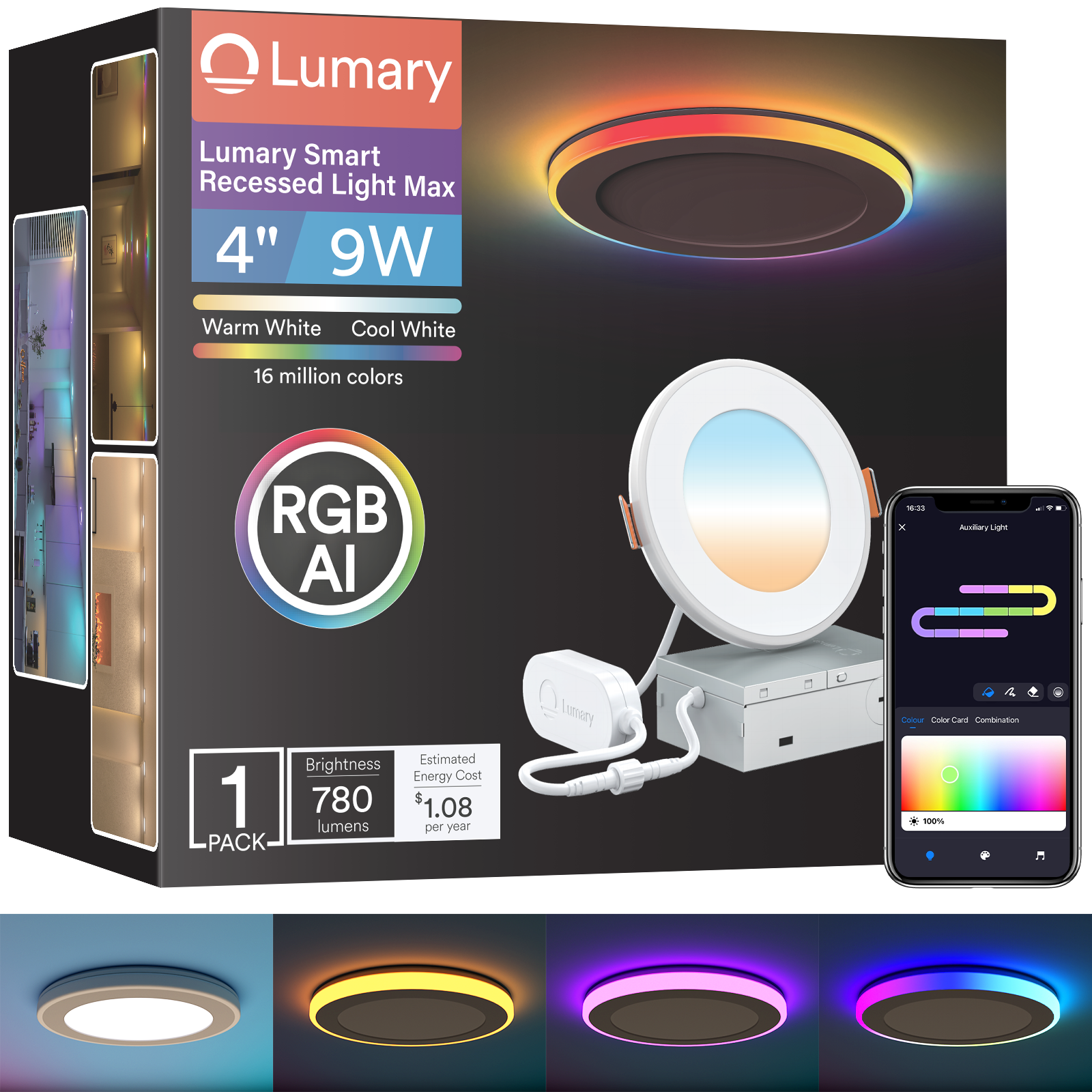
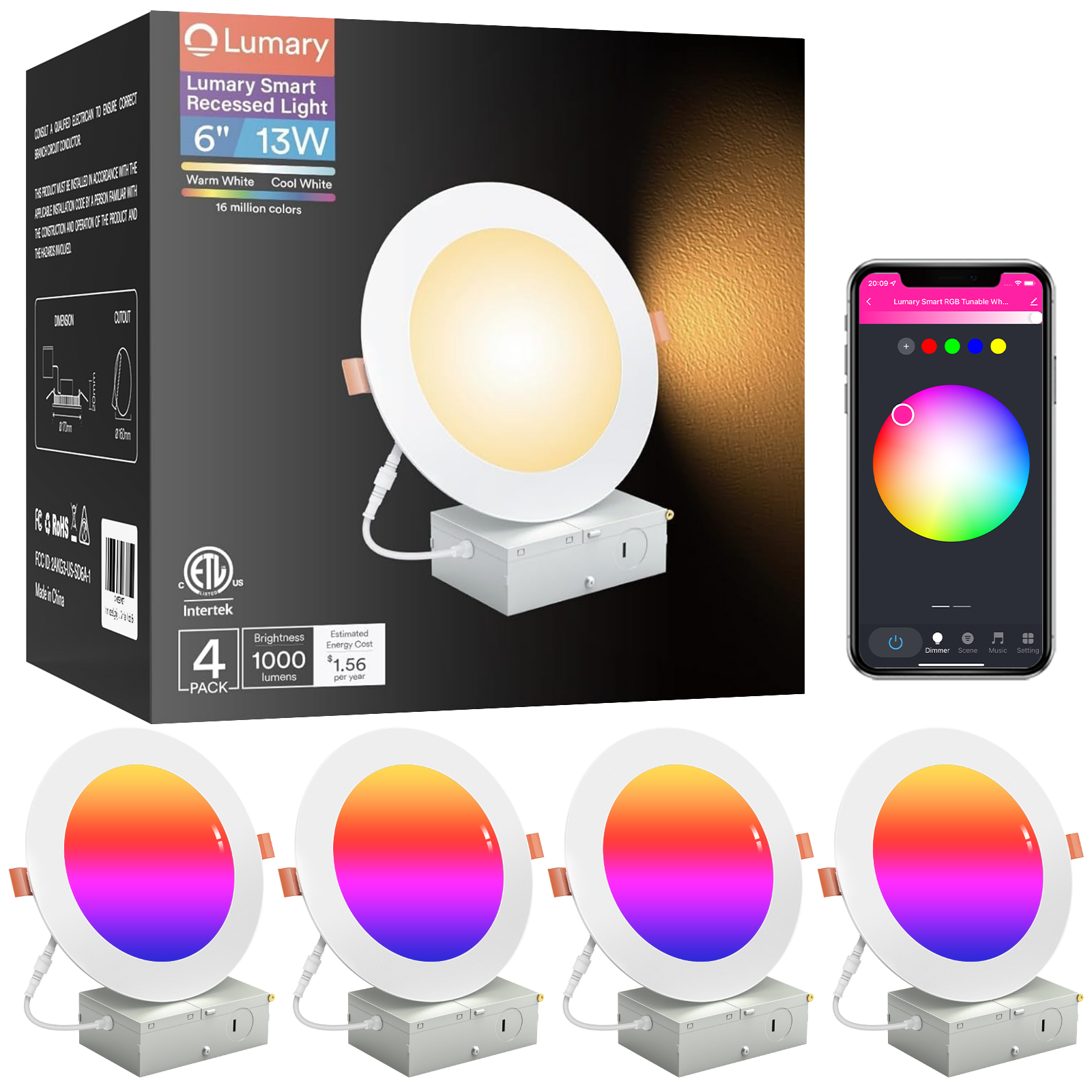
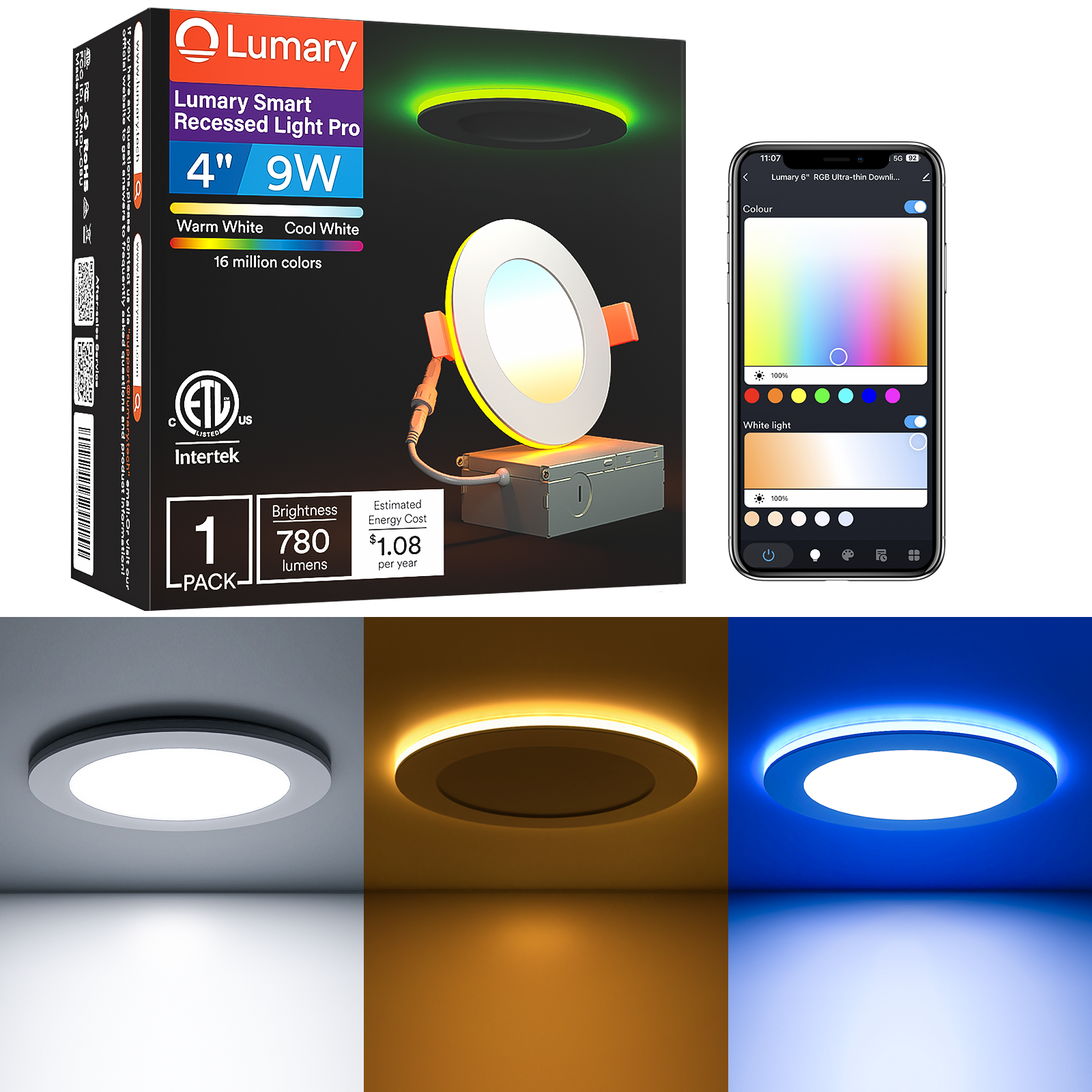
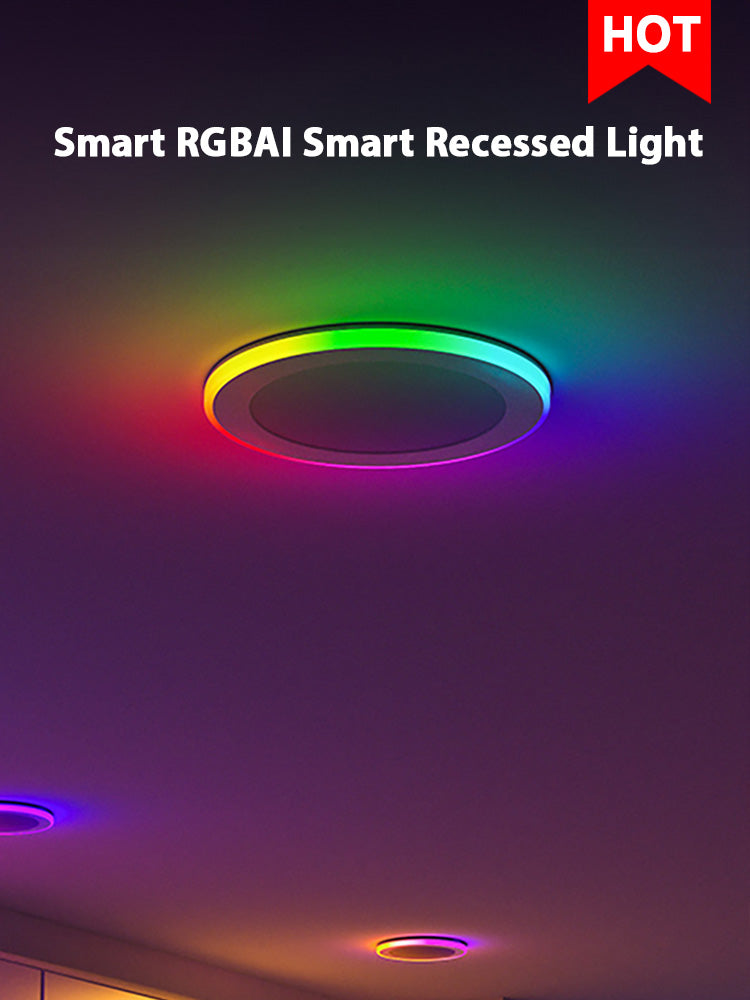


You want recessed lighting to do more than light up a room. Choose smart recessed lights with wireless control. Pick lights with adjustable brightness and color options. Look for automation, energy efficiency, and safety features. These upgrades help you match lighting to your room’s use and style. See the table below for popular features:
|
Feature |
Description |
|---|---|
|
Selectable Color Temperature |
Change lighting for kitchens or living rooms. |
|
Dimmable Options |
Adjust brightness for different activities. |
|
Integration with Smart Home Systems |
Connect recessed lights for easy control. |
|
Trim Color Options |
Fit recessed lighting to your décor. |
|
Energy-Efficient Design |
Save money and reduce electricity usage. |
Smart recessed lights can lower your energy use by up to 75% compared to old bulbs. Motion sensors keep recessed lighting off when not needed. Always pick lights that work with your devices and fit your room.
Key Takeaways
-
Pick smart recessed lights to change brightness and color. You can make the room feel right for any activity.
-
Pick LED recessed lighting to use less energy and save money. Using LED lights can lower your energy bill by up to 85%.
-
Use an app or your voice to control your recessed lighting. This makes things easier and lets you use your lights without touching them.

Smart Recessed Lights: Connectivity & Control
Wireless Protocols (Wi-Fi, Bluetooth, Zigbee)
You want your recessed lighting to connect well with your smart home. How your lights connect is important. Most smart recessed lights use Wi-Fi, Zigbee, or Bluetooth. Each protocol has its own benefits. Some work better in certain places.
Here’s a quick look at the main types of recessed lighting protocols:
|
Protocol |
Description |
Advantages |
Adoption Rate |
|---|---|---|---|
|
Wi-Fi |
Most widely used, high-speed, compatible with many devices |
High-speed data transfer, wide coverage |
High |
|
Zigbee |
Low-power, mesh-based, used by popular brands |
Supports hundreds of nodes, low power |
Moderate |
|
Z-Wave |
Extended range, operates on Sub-GHz |
Mesh network capabilities |
Moderate |
|
Thread |
Low-power, dedicated mesh network |
Robust networking for homes and commercial buildings |
Low |
|
Matter |
New universal standard for smart home devices |
Interoperable across brands and platforms |
Emerging |
Wi-Fi is the most common choice for smart recessed lights. It is easy to set up and connects to your home network. Zigbee and Z-Wave are good if you have lots of devices. They use less power and make a mesh network. Your lights stay connected even if one device stops working. Thread and Matter are newer. They may give even better connections soon.
How do these protocols compare for recessed lighting? Check out this table:
|
Protocol |
Advantages |
Disadvantages |
|---|---|---|
|
Zigbee |
Low power consumption, supports various device types, good coverage with mesh networking |
Requires a hub, not suitable for high-speed data transmission, installation can be costly |
|
Wi-Fi |
High data rate, widely compatible, easy to set up |
High power consumption, prone to interference, limited range in large buildings |
|
Bluetooth |
Convenient for short-range, but signal can be weakened by building materials |
Challenging connectivity in commercial environments, requires site surveys for reliable performance |
If you want simple control and wide compatibility, Wi-Fi is a good choice. For bigger homes or many devices, Zigbee or Z-Wave might be better. Bluetooth works in small rooms, but walls can block the signal.
App & Voice Control Compatibility
You want to control your recessed lighting easily. App and voice control help with this. With smart recessed lights like Lumary, you can use the Lumary App. The app lets you set schedules, pick colors, and change brightness.
Voice control makes things even easier. Lumary smart recessed lights work with Alexa, Google Assistant, and Siri (through the Lumary App). You can say, “Turn on the kitchen lights,” or “Set the living room to blue.” Your lights will respond right away. Hands-free control is great when your hands are busy or you want to relax.
Smart home hubs give you more benefits:
-
You can control your lighting with your voice or phone.
-
You get easy changes and automation for your daily routine.
-
Integrated systems automate tasks, so you don’t have to remember them.
-
Lights can turn on when you walk into a room.
-
Smart home hubs let you set scenes like “Movie Night” or “Good Morning.”
-
You can change lighting based on who is home or the time of day.
Connecting your recessed lighting to other smart devices gives you extra perks:
-
Increased control: Manage your lights from your phone or with your voice. This helps everyone, especially people with mobility challenges.
-
Efficiency: Schedule your lights to turn off when not needed. This saves energy and gives you real-time usage reports.
-
Custom ambiance: Change light settings for different occasions. Make your home cozy, bright, or fun.
-
Safety and security: Lights can copy your routines when you’re away. They can also turn on with motion to light up dark hallways.
Tip: Keep your Wi-Fi network safe and update your smart bulb firmware often. Set the right app permissions and manage who can access your system. This keeps your smart recessed lights safe from unwanted access.
With the right recessed lighting and smart features, your home can be brighter, safer, and more comfortable. Pick the best protocol and control options for your needs. Enjoy the benefits of modern recessed lighting.
LED Recessed Lighting: Customization & Automation
Adjustable Brightness & Color Temperature
You want your recessed lighting to fit every moment. With adjustable brightness, you can set the perfect level for any activity. Maybe you need a bright space for reading or working. Most smart recessed lights give you a range from 600 to 800 lumens. This means you get enough light for tasks, but you can also dim the lights for a cozy movie night. Dimmable features let you control how much light fills your room. You can slide the brightness up for energy or down for relaxation.
Color temperature matters, too. You can switch between cool and warm light. Cool light helps you stay alert and focused. Warm light makes your space feel comfortable and calm. Finding the right color temperature can boost your mood and help you get things done. Many people love adaptive lighting because it lets them personalize their workspace or living area. You can even match the lighting to the time of day for better comfort.
Here’s how color temperature affects you:
-
Cool light helps you concentrate and stay awake.
-
Warm light makes your home feel relaxing.
-
The right balance keeps you from feeling sleepy or stressed.
You can change both brightness and color temperature with just a tap on your phone or a voice command. This makes your recessed lighting work for you, no matter what you’re doing.
Dynamic RGBAI Effects & Lighting Modes
You want more than just white light. The Lumary Smart RGBAI Recessed Light with Gradient Auxiliary Night Light brings color and excitement to your home. RGBAI technology lets you show multiple colors at once. You get 12 segments you can control separately. This means you can create endless designs and fun effects.
Check out some of the most popular lighting modes:
|
Lighting Mode |
Description |
|---|---|
|
Downlight Mode |
Bright and clear for reading or working. |
|
Nightlight Mode |
Soft and gentle, great for bedtime or midnight snacks. |
|
RGB Mode |
Choose from 16 million colors for parties or special moments. |
|
Gradient Mode |
Smooth color changes that set the mood. |
|
Music Sync |
Watch your lights dance to the beat of your favorite songs or games. |
With these modes, you can set the scene for any event. Want a romantic dinner? Try RGB Mode. Need a gentle light for late-night trips to the kitchen? Nightlight Mode is perfect. The gradient auxiliary night light adds a soft glow that won’t disturb your sleep. You can even make your lights move with your music for parties or game nights.
Dimmable options in each mode let you fine-tune the brightness. You get full control over how your recessed lighting looks and feels.
Scene Presets & Scheduling
You don’t have to set your lights every time. Scene presets and scheduling make life easier. The Lumary app gives you 50 preset scenes. You can pick one for holidays, parties, or just a quiet evening at home. Save your favorite settings and switch between them with one tap.
Automation routines help you save time and energy. Here’s how you can use them:
-
Install a smart lighting hub to control all your recessed lights together.
-
Set up circadian lighting schedules. Your lights can match your daily routine, changing brightness and color temperature as you need.
-
Connect your lighting with other smart home devices. Control everything from one app or with your voice.
Tip: Use auto-off timers and motion detection to make sure your lights turn off when you leave the room. This saves energy and keeps your home efficient.
Customization and automation do more than just look good. They help you use less power and keep your home comfortable. You can track your energy use in real time and adjust your habits. Features like geofencing turn your lights off when you leave, so you never waste electricity.
People love being able to save their favorite scenes and set schedules. It makes recessed lighting feel personal and smart. You get a home that matches your style and routine.
If you want the best in led recessed lighting, look for products like the Lumary Smart RGBAI Recessed Light. You get dimmable brightness, color control, dynamic effects, and easy automation—all in one recessed package.
Recessed Lighting: Efficiency, Installation & Safety
Energy-Saving Features & Usage Tracking
You want your home to be bright and energy-smart. LED recessed lighting uses much less electricity than old bulbs. When you switch to LED, you can cut your energy use by up to 85%. A 10-watt LED gives you the same light as a 60-watt incandescent bulb. That means you save money every month. LED recessed lights can last over 50,000 hours, so you do not have to replace them often. Over time, you could save hundreds of dollars just by making the switch.
Here are some quick facts:
-
LED lights use only 2-18 watts, while old bulbs use 25-100 watts.
-
You can save up to 90% on energy costs.
-
Dimming your lights helps them last even longer.
Smart recessed lighting also lets you track your energy use. You can see how much power you use and adjust your habits to save more.
Retrofit Options & Setup Ease
You might wonder how hard it is to install recessed lighting. Many smart recessed lights are made for easy retrofit. This means you can upgrade your old fixtures without a big project. Some lights fit right into existing holes. Others need a simple template to help you cut the right size. Always check for hidden wires before you start.
Common challenges and solutions:
|
Challenge |
Solution |
|---|---|
|
Installation difficulties |
Hire a pro or follow the instructions step by step. |
|
Cutting holes in the ceiling |
Use a template and check for wires first. |
|
Securing fixtures |
Double-check stability before finishing. |
|
Electrical or structural limits |
Ask an electrician if you are unsure. |
Smart recessed lighting may need a bit more setup because it connects to your home system. Once you finish, you get a modern look and smart control.
Overheat Protection & Firmware Updates
Safety matters when you choose recessed lighting. Look for lights with overheat protection. This feature keeps your home safe by turning off the light if it gets too hot. Many smart recessed lights also offer firmware updates. These updates fix bugs and add new features. You can update your lights right from your phone.
When you shop, check for safety certifications like UL, ETL, or CSA. These show the lights meet strict safety rules. You get peace of mind knowing your recessed lighting is safe and reliable.
When you choose smart recessed lights, think about how they connect. Also, look for ways to make them fit your needs. Automation, saving energy, and safety are important too. Pick features that match your style and smart home system. Use the table below to compare different brands. Lumary is great for creative lighting and has a strong app.
|
Brand |
User Reviews Highlights |
Expert Ratings Highlights |
|---|---|---|
|
Lumary |
Unique RGBAI effects |
Reliable performance, strong app features |
|
Philips Hue |
Vibrant colors, easy setup |
High quality, user satisfaction |
|
Govee |
Brightness, color accuracy |
Good smart integration |
|
TP-Link Kasa |
Simple setup |
User-friendly app, good voice control |
|
Sengled |
Affordable, energy-efficient |
Reliable, cost-effective |
|
Feit Electric |
Easy installation |
Basic app, dependable |
Sometimes, your lights might not work with other devices. Here are some tips to help:
-
Read the instructions and check online forums.
-
Change settings to help your lights work better together.
-
Be patient and try different ways to fix problems.

FAQ
How do you connect the Lumary Smart RGBAI Recessed Light to Wi-Fi?
Just open the Lumary App, follow the setup steps, and connect to your 2.4 GHz Wi-Fi. The light will stop blinking once connected.
Can you control the light with your voice?
Yes! You can use Alexa, Google Assistant, or Siri (through the Lumary App) to turn the light on, off, or change colors.
What happens if you use the wall switch often?
If you flip the wall switch a lot, the light resets. Try using the app or voice control for best results.

