




These smart lights have a unique feature that Philips Hue is missing
Reprinted from Makeuseof
Philips Hue has been my go-to for smart lighting because hub-based systems simply work better than Wi-Fi-only alternatives. I've had Hue recessed can lights throughout my house for years with minimal connectivity complaints. But Hue's color-changing recessed lights have one limitation I couldn't shake: when you want color, you lose functional white light.
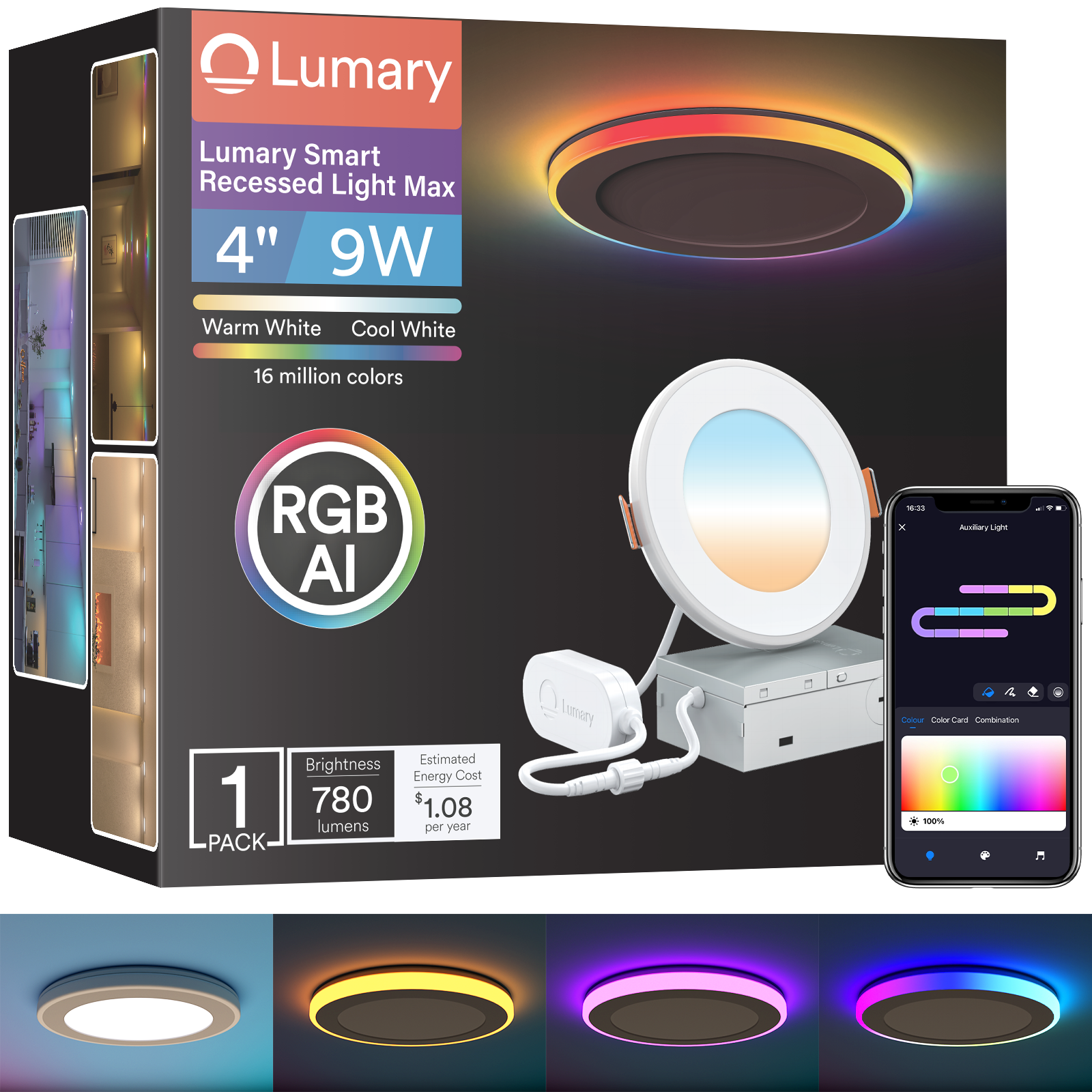
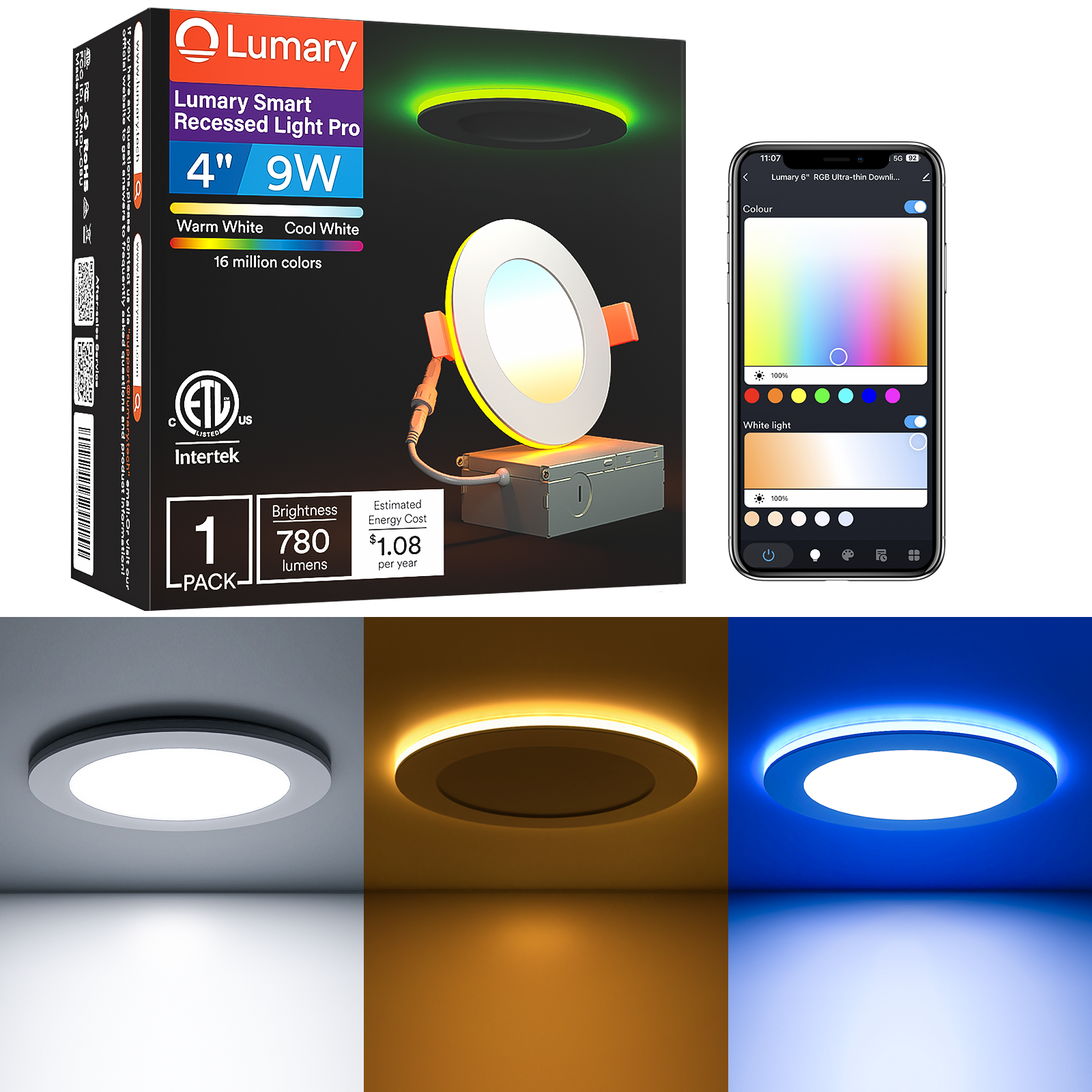
The whole fixture commits to whatever hue you pick. The Lumary 5/6 Inch Smart LED Disk Light Pro solves this with a separate RGBAI ring around the main downlight. You get accent color from the perimeter, while the center handles everyday white illumination. It's a dual-light approach that opens up options Hue simply doesn't offer.
What makes the RGBAI ring different from standard smart bulbs
Two independently controlled lights in one fixture
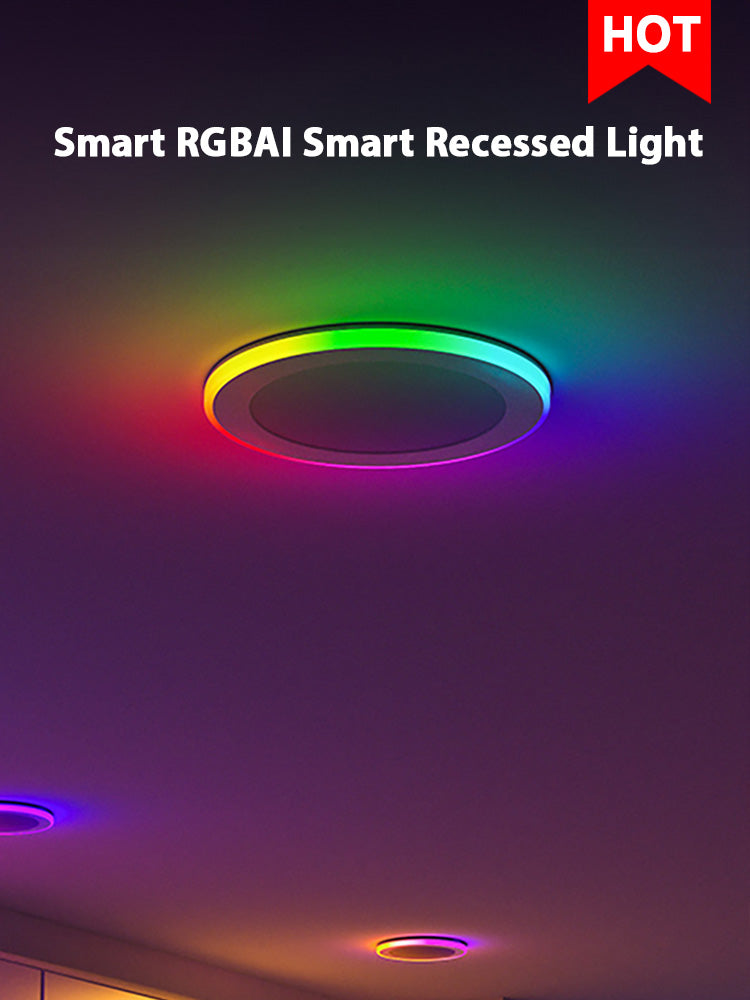
The Lumary light has two distinct elements working together. The main disk in the center is a tunable white downlight covering 2700K to 6500K — warm amber through cool daylight. Wrapped around that center disk is an RGBAI ring that projects colored light sideways rather than straight down. The effect creates ambient accent lighting on your ceiling and upper walls instead of flooding the whole room with color.
Standard Hue color can lights blend everything into one source. Pick purple, and you get purple light shining down on your space. That's fine for movie nights when you want full ambiance, but it means sacrificing functional lighting. With Lumary, I can run bright white task lighting from the center disk while a soft blue or purple glows from the ring around it. Both happen simultaneously from the same fixture.
This works especially well when you automate your smart bulbs properly. I'm planning to schedule the ring lights to shift to warm colors in the evening while keeping the main downlights functional for actually seeing what I'm doing.
How they work in the Alexa app
Separate controls for maximum flexibility
Each Lumary fixture shows up as two devices in Alexa — one for the main white light and one for the RGBAI ring. This separation matters more than I expected. I can kill the main light entirely and run just the ring for a low ambient glow, or leave the ring off and use it as a standard recessed light. Brightness adjusts independently for each.
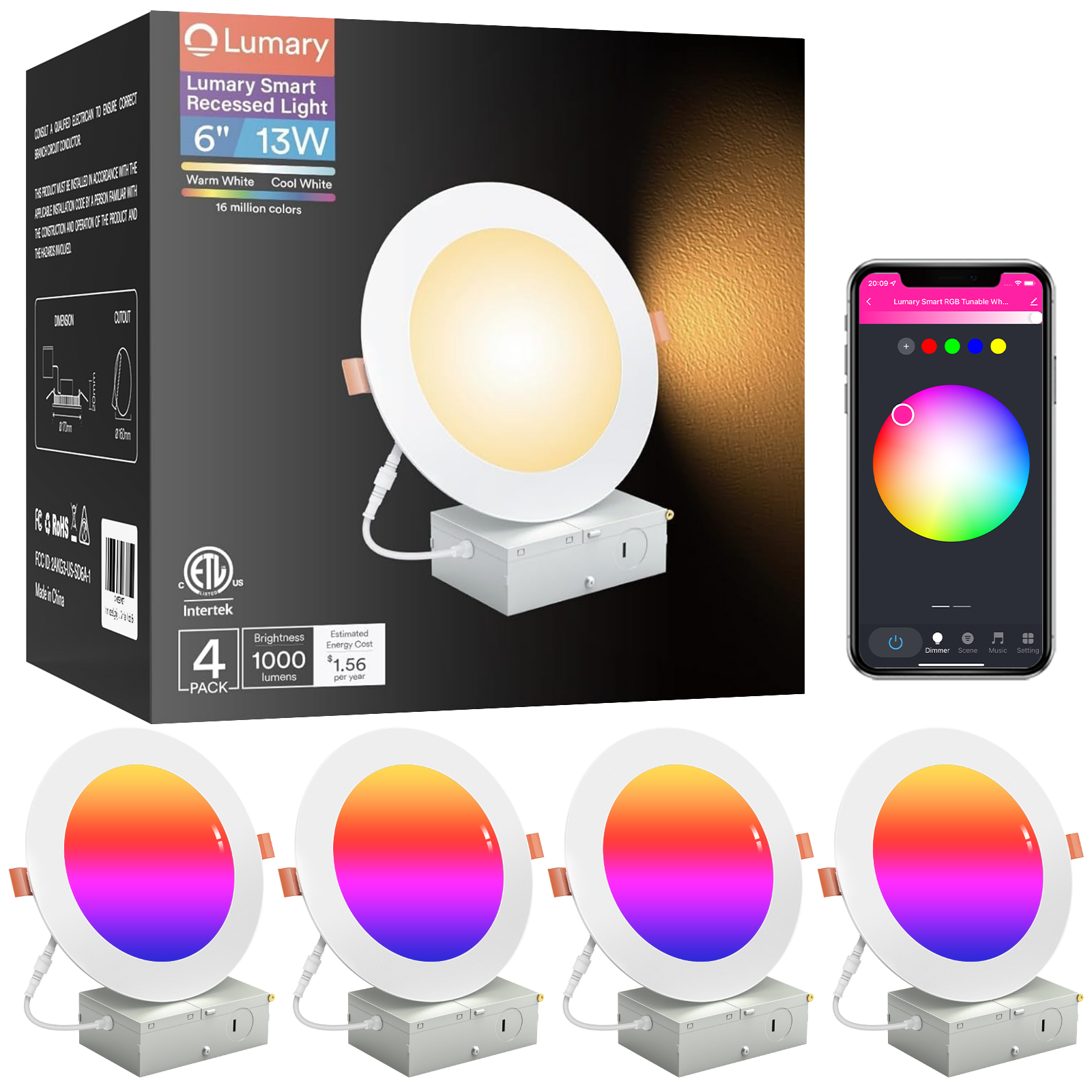
I installed four of these in my basement landing zone, so I created two groups: one containing all four main white lights and one containing all four RGBAI rings. A single voice command now controls all the rings or all the main lights together, without affecting the others. Having all my smart devices unified under one app makes this kind of grouping straightforward.
Installation took 15 minutes for all four lights
Retrofitting into existing can lights
Lumary includes two installation methods. I used Method 2 since I already had recessed can housings in the ceiling. The process was dead simple: snap the spring clips into the rectangular slots on the back of the light, connect the TP24 connector to the existing junction box wiring, and push the whole thing into the can until it clicks secure.
I timed myself out of curiosity. It took fifteen minutes total for all four fixtures, and five of those were hauling the ladder from the garage down to the basement. The actual electrical work took maybe two minutes per light.
The 4-pack ran about $126, which works out to roughly $31.50 per light. Hue recessed lights cost $40–$50 each, and they don't offer the dual-light capability. These are Wi-Fi lights on the 2.4GHz band rather than Zigbee-hub-based, like Hue. I'll admit hub-based systems tend to be more reliable long-term, but connectivity has been solid so far with my Ubiquiti network handling the traffic.
When this matters more than Hue
Accent lighting without sacrificing function
My landing zone is the perfect example. The main lights stay on for walking through safely, and ring lights add a soft color for atmosphere when we're hanging out down there. For bedrooms, you could keep rings on a dim, warm setting as nightlights while the main fixtures stay off. That's not possible with standard color-changing recessed lights, where choosing a color means committing the entire output to that color.
I still have Hue in other rooms, and when I want color there, I'm giving up the whole light to get it. That works in some situations but feels limiting in others. If wall switch habits keep killing your smart bulb connections regardless of brand, that's a separate problem with its own solution.
A gap in smart lighting that's finally filled
Philips Hue remains excellent for reliable hub-based smart lighting, and I'm not ripping it out of the rooms where it's already installed. But the RGBAI ring on these Lumary lights addresses something Hue hasn't touched — running accent colors from the perimeter while keeping functional white light in the center.
For around $30 per fixture and a 15-minute install, it's worth trying in any room where that dual-light capability would actually get used. Now that mine are up and running, building out automations that control the rings and main lights on different schedules is next on my list.
About Lumary
Lumary is a smart lifestyle brand providing high-end smart lighting products. Lumary is a tech-led, people-oriented company. Lumary technology can combine voice assistants and mobile applications to provide high-quality smart products and a more convenient user experience for Lumary customers. Easy and quick installation and the latest technology save your time and make your experience more enjoyable.
For more information about the Lumary Smart Sprinkler Water Timer and other Lumary smart home solutions, visit Lumary | Smart Recessed Lighting & Outdoor Lighting for Smart Life.
Discover Lumary's extensive product line at:
Lumary on Amazon.com
Lumary: Lumarysmart.com
Lumary's Facebook.com
Join our Facebook group
Shelly - Lumary Global PR team
Email: support@lumarysmart.com
SOURCE Lumary
Original link: These smart lights have a unique feature that Philips Hue is missing

