


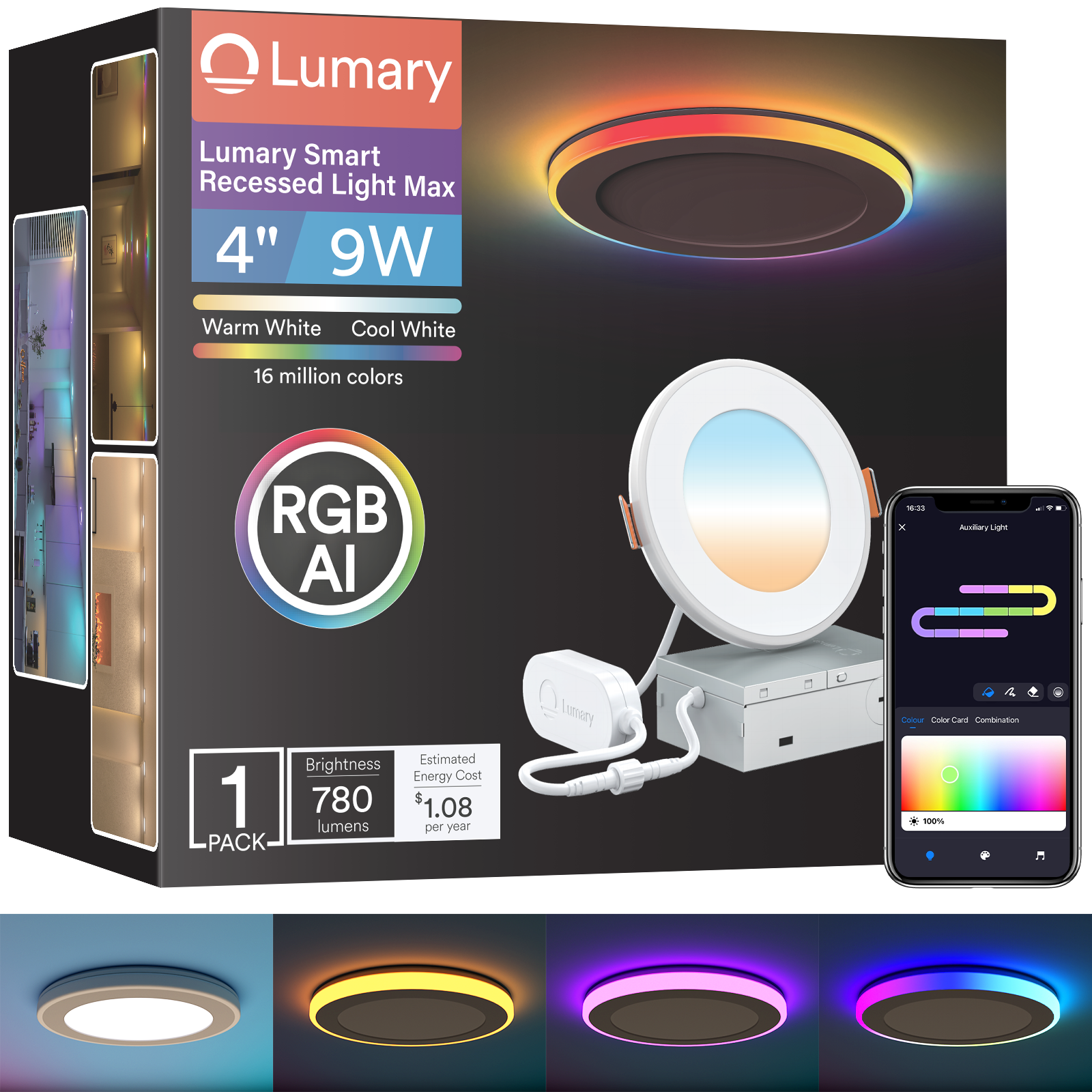
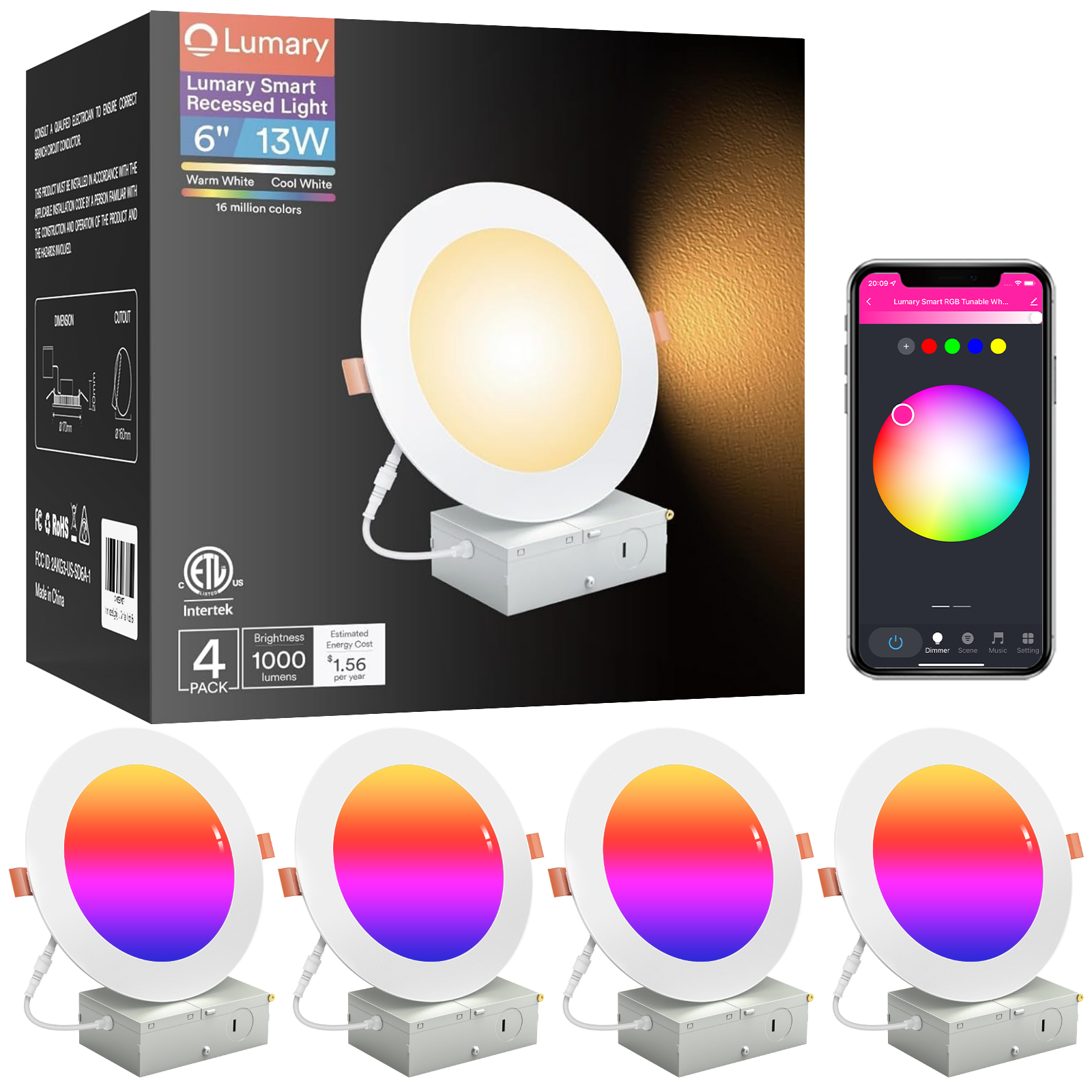
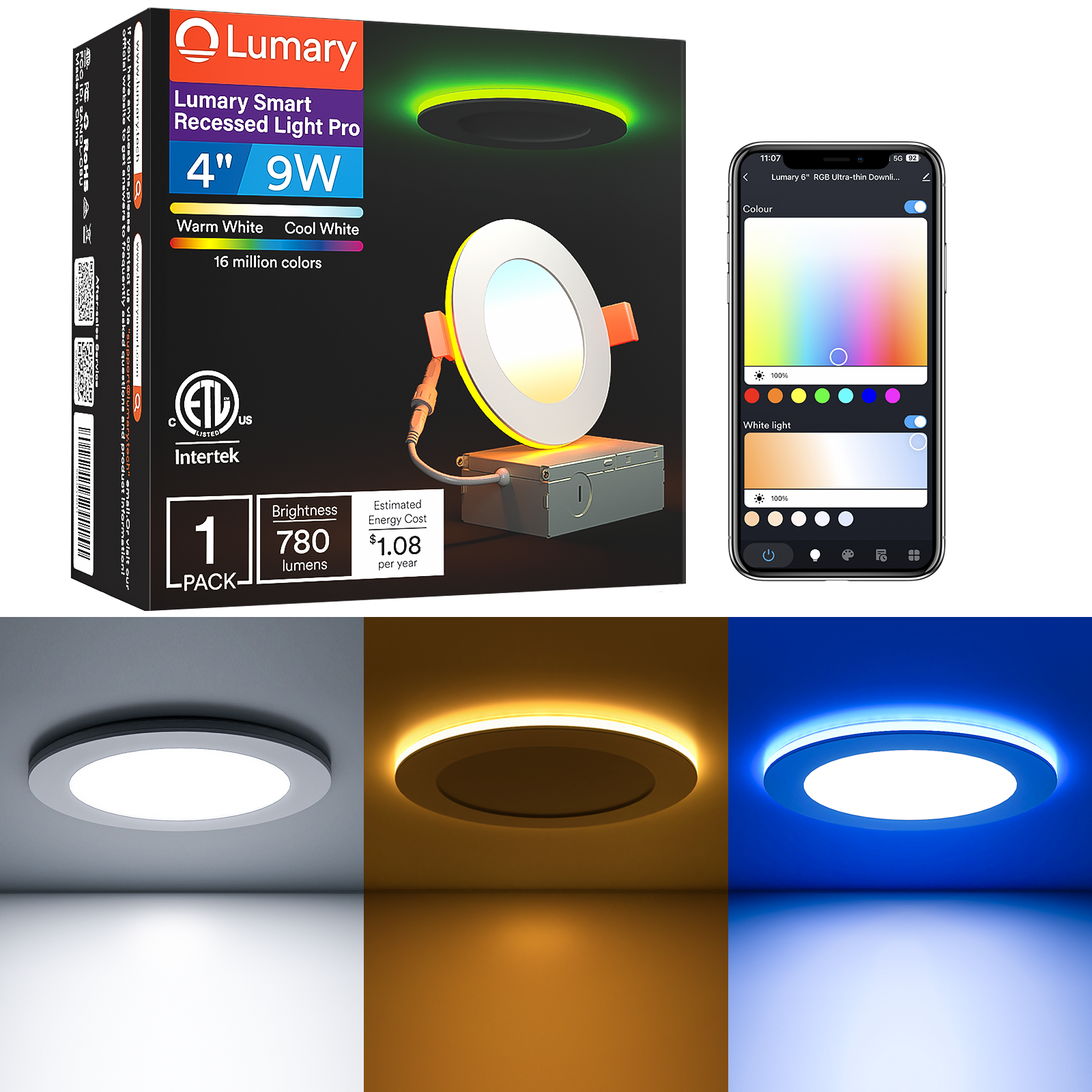
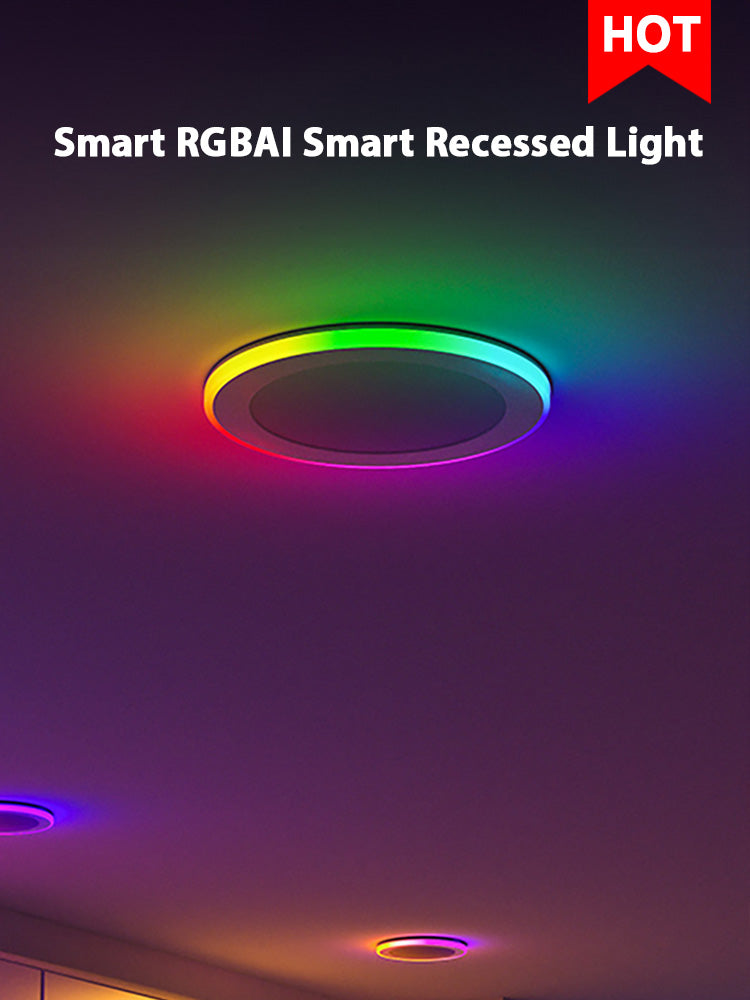


A recessed light is a type of fixture that sits flush with your ceiling, creating a clean and modern look. You see recessed lights often in homes because they save space and do not clutter the room. Many homeowners pick recessed lighting for these reasons:
-
It makes rooms feel larger and more open.
-
You can adjust the light angle for different needs.
-
The design keeps lights safe from dust and bumps.
-
You can replace one light without changing the whole setup.
|
Design Trend |
Description |
|---|---|
|
Minimalist, Low-Profile |
Sleek fixtures make your space look open and tidy. |
|
Smart Lighting Integration |
Control your lights with your voice or phone for extra convenience. |
|
Biophilic Lighting |
Mimics natural sunlight, helping you feel better and more connected. |
|
Energy-Efficient |
Modern LED options use less power and help the environment. |
Key Takeaways
-
Recessed lights sit flat with the ceiling. This gives rooms a clean and modern look. The room can feel bigger and more open with these lights.
-
These lights are flexible for design and use. You can change the light angles. You can also pick different trim styles to fit your needs.
-
LED bulbs are the best for recessed lighting. They use up to 80% less energy than old bulbs. This helps you save money on your electric bill.
-
Think about your room’s size and use before you put in recessed lights. This helps you place them right and get the best lighting.
-
Always look for safety ratings like IC-rated fixtures if your ceiling has insulation. This keeps things safe and saves energy.
 What Is a Recessed Light?
Definition and Features
A recessed light is a ceiling fixture that sits inside the ceiling, so only the trim and bulb are visible. You may also hear people call these can lights. This design creates a smooth, flat surface without any hanging parts or exposed wires. You get a clean, modern look that fits many home styles.
When you choose recessed lights, you notice several features that set them apart from other ceiling fixtures:
-
The fixture installs flush with the ceiling, so you see no bulky parts.
-
You enjoy a wide spread of light that reduces shadows and glare.
-
You can pick from different trim styles, like baffle trims or reflector trims, to change how the light looks and works.
-
The minimalist design keeps your ceiling free of dangling fixtures and helps your room feel open.
Tip: Recessed lights work well in rooms where you want a tidy look and need to save space. You can use them in living rooms, kitchens, or hallways.
Ultra-thin recessed lights sit almost flat against the ceiling. This style makes your space feel larger and less cluttered. You can use recessed lighting in many places, from small bathrooms to large open areas.
How It Works
Recessed lights work by hiding most of the fixture inside the ceiling. You only see the trim and the bulb. The housing holds the electrical parts and keeps everything safe. When you turn on the switch, electricity flows to the bulb, and the light spreads out across the room.
You can use recessed lighting to brighten a whole room, highlight a piece of art, or focus on a work area. The wide beam of light covers more space than a regular lamp or pendant. You can also choose adjustable trims to direct the light where you need it most.
Recessed lights help you use your space better. With no hanging parts, you have more room for furniture and decorations. The design also supports energy efficiency, especially when you use LED bulbs. You save power and lower your bills.
Note: Recessed lighting gives you flexibility. You can install one light or many, depending on your needs.
You can see why many people pick recessed lights for their homes. The flush design, wide light coverage, and space-saving features make them a smart choice for modern living.
Recessed Light Components
When you look at recessed lights, you notice three main parts: the housing, the trim, and the bulb. Each part plays a special role in how your recessed lighting works and looks.
Housing
The housing is the part of the recessed light that sits inside your ceiling. It holds the wiring and the light source, keeping everything safe and hidden. You can find housings made from different materials:
-
Aluminum: Lightweight and easy to recycle. This choice works well if you want a sustainable home.
-
Steel: Strong and durable. It lasts a long time and is also recyclable.
-
Plastic: Some types are recyclable or even biodegradable, which helps the environment.
Some housings have special features for energy efficiency. For example, designs made for LED bulbs use less power and help you save money. Good housings also have vents to stop overheating. This keeps your bulbs working longer and uses less energy.
Tip: Always check for certifications like IC rating or Energy Star. These show your recessed lighting is safe and energy efficient.
Trim
The trim is the only part of recessed lights you see from your room. It covers the edge of the housing and shapes how the light spreads. You can pick from many trim styles to match your needs. Here is a quick look at some common types:
|
Trim Type |
Pros |
Cons |
|---|---|---|
|
Round Recessed Trim |
Even light, easy to install |
May cast sharper shadows |
|
Square Recessed Trim |
Modern look, highlights architecture |
Needs careful alignment |
|
Baffle Trim |
Reduces glare, softens light |
Slightly lower light output |
|
Gimbal Trim |
Lets you aim the light where you want |
Bulkier, needs more maintenance |
You can use baffle trims if you want less glare in your living room. Gimbal trims work well for accent lighting or art displays. The right trim helps you control the look and feel of your space.
Bulb
The bulb gives light to your room. For recessed lighting, you have a few choices, but LED bulbs stand out. They use up to 80% less energy than old incandescent bulbs. This means you pay less for electricity and help the planet. CFL bulbs also save energy, but not as much as LEDs. Incandescent bulbs use the most energy and cost more to run.
LED bulbs last longer and keep your downlights cool. This makes them the best choice for most homes. When you use LED bulbs in your can lights, you get bright, even light and lower bills.
Remember: Choosing the right bulb boosts energy efficiency and makes your recessed lights last longer.
 Recessed Lighting Types
When you pick recessed lights, you find many kinds. Each kind works best for certain rooms and needs. Some types are safer or easier to use.
IC-Rated vs. Non-IC
There are two main safety ratings for recessed lights. These are IC-rated and non-IC. IC-rated fixtures can touch insulation without problems. Non-IC fixtures need space away from insulation. This stops them from getting too hot. The table below shows how they are different:
|
Feature |
IC-Rated Fixtures |
Non-IC Rated Fixtures |
|---|---|---|
|
Insulation Contact |
Designed for direct contact with insulation safely |
Requires clearance from insulation to avoid hazards |
|
Thermal Protection |
Includes built-in thermal protection to prevent overheating |
Lacks advanced heat-dissipation structures |
|
Safety Risk |
Safer for insulated ceilings |
Higher risk of overheating and fire hazards |
|
Best Use |
Insulated ceilings, energy-efficient buildings |
Non-insulated ceilings or areas without insulation |
|
Compliance |
Compliant with most building codes |
Limited applications due to overheating risks |
Tip: If your ceiling has insulation, use IC-rated recessed lights. They are safer and save more energy.
Adjustable and Fixed
You can choose adjustable or fixed recessed lights. Adjustable lights, like gimbal downlights, let you point the light. You use these to show off art or light up counters. Fixed recessed lights shine light evenly across the room. These are good for living rooms, halls, or bedrooms. Adjustable lights give you more control. Fixed lights make the room feel calm and bright.
If you want to light up a special spot, use adjustable recessed lights. For soft light in a big space, fixed can lights are best.
Common Uses
Recessed lights work in many places at home or work. People use them in kitchens for cooking and in bathrooms for getting ready. Living rooms use them for a cozy feel. Offices use recessed lights to help people work better. Stores use them to show off products. Outside, recessed lights make porches and patios safer and nicer.
|
Setting |
Common Uses |
|---|---|
|
Residential |
Kitchens (task lighting), Bathrooms (grooming), Living Rooms (atmosphere), Bedrooms (ambiance) |
|
Commercial |
Offices (productivity), Retail Spaces (product highlighting), Hospitality (ambiance) |
|
Outdoor |
Porches, Patios (safety and aesthetics) |
When you want good recessed lights, Lumary's lights work well. They have smart features and last a long time. You can use them for many things, like general, accent, or task lighting.
 Pros and Cons of Recessed Lights
Benefits
Recessed lights have many good points for homes or offices. These lights help make rooms look neat and modern. Here are some main benefits:
-
Recessed lights sit inside the ceiling, so they look smooth and not bulky.
-
The simple style fits well with modern rooms and shows off your furniture.
-
You get more space above you, so rooms feel bigger and more open.
-
You can use these lights to shine on art or special things in your room.
-
Even small rooms feel bright and welcoming with recessed lighting.
-
These lights spread light all over, so there are fewer shadows and less glare.
-
Energy-saving models use less power than old lights, so you save money and help the planet.
-
Airtight lights stop air from leaking, which keeps your home comfy and saves energy.
Recessed lighting is special because you can use it in many ways. You can use can lights to show off certain spots or make a soft light everywhere.
Drawbacks
Recessed lights have some downsides you should think about before you put them in.
|
Drawback |
Description |
|---|---|
|
Light Distribution |
If you put lights in the wrong place, some spots may be too dark. |
|
Electrical Limitations |
Old wires might not work with new lights, so putting them in can be hard. |
|
Structural Limitations |
Ceiling beams or air ducts can get in the way of where you want to put the lights. |
|
Insulation and Airflow |
If you do not install them right, some spots may get too hot and waste energy. |
|
Bulb Selection and Compatibility |
The wrong bulb can make the lights flicker or look uneven. |
Sometimes, you might see lights flicker or hear buzzing if wires are loose or if the dimmer switch does not match. Putting in recessed lights means you need to cut holes, run wires, and fix the ceiling. This is harder than putting up regular lights. You also need enough space above the ceiling to fit the lights.
Tip: Make a plan and check your ceiling before you start putting in recessed lights.
 Recessed Lighting Installation
New Construction vs. Remodel
You need to know if your project is new construction or a remodel before you install recessed lighting. The type you choose affects how you put in the fixtures and what tools you need. Here is a table to help you see the main differences:
|
Feature |
New Construction Housings |
Remodel Housings |
|---|---|---|
|
Installation State |
Designed for ceilings without drywall in place. |
Designed for existing ceilings with drywall. |
|
Key Feature |
Fastens directly to ceiling joists. |
Secured to existing drywall with clips. |
|
When to Use |
New builds, major additions, or complete ceiling replacements. |
Adding lights to existing rooms or replacing old fixtures. |
|
Pros |
Robust installation, often more affordable. |
Less invasive, ideal for renovations. |
|
Cons |
Requires open access to joists, not for finished ceilings. |
Generally more expensive due to specialized mechanisms. |
If you build a new home or add a room, you use new construction housings. If you want to add recessed lights to a finished room, you pick remodel housings. Remodel options let you add recessed lighting without tearing down your ceiling.
Key Steps
You can install recessed lighting by following a few clear steps. Always put safety first when you work with electricity. Here is a simple guide:
-
Turn off the power at the circuit breaker. Use insulated tools to stay safe.
-
Mark the ceiling where you want each recessed light. Check your spacing. For an 8-foot ceiling, space lights about 4 feet apart.
-
Cut holes in the ceiling using a hole saw. Make sure each opening matches the size of your fixture.
-
Run electrical wires to each hole. Follow local wiring codes and never use damaged wires.
-
Connect the wires to the recessed fixture. Secure all connections tightly.
-
Insert the housing into the ceiling. Fasten it to the joists or drywall, depending on your type.
-
Add the trim and bulb. Test the lights to make sure they work.
Tip: Always check your local building codes and get permits if needed. If you feel unsure, hire a certified electrician.
You should avoid common mistakes like placing lights too close together or using the wrong size. Make sure your fixtures match your ceiling type and insulation. Use IC-rated recessed lights for insulated ceilings to prevent fire hazards. Follow the manufacturer's instructions for each step.
The cost to install recessed lighting can range from $380 to $529 per light. A full project for a living room usually costs between $1,056 and $1,968. Planning helps you avoid extra costs and ensures your recessed lights look and work their best.
You have learned that recessed lights give a neat look. They also let you change how your room is lit. Think about a few things before you pick recessed lighting for your space.
|
Factor |
Description |
|---|---|
|
Size of the Space |
The size and height of your room decide how many fixtures you need and where to put them. |
|
Purpose of the Lighting |
What you want the light for, like tasks or mood, changes the bulb and how far apart they go. |
|
Energy Efficiency |
Using LED bulbs uses less power and saves you money over time. |
Pick recessed fixtures that fit your room. Make sure they are easy to take care of. Think about the good and bad sides before you put them in.
 FAQ
FAQ
What makes recessed lights different from other ceiling lights?
You install recessed lights inside the ceiling. You see only the trim and bulb. This design gives your room a clean look. You do not see any hanging parts or wires.
Can you use recessed lighting in a bathroom or kitchen?
Yes, you can use recessed lighting in both bathrooms and kitchens. Choose fixtures rated for damp or wet locations. These lights work well for task areas like sinks and counters.
How do you choose the right size for modern recessed lighting?
You pick the size based on your room and lighting needs. Small rooms often need 4-inch fixtures. Large spaces may need 6-inch or bigger. Measure your space before you buy.
Do recessed lights save energy?
Yes, recessed lights can save energy. Use LED bulbs for the best results. These bulbs use less power and last longer than older types.
Can you install recessed lights yourself?
You can install recessed lights if you feel comfortable with electrical work. Always turn off the power first. If you feel unsure, hire a licensed electrician for safety.

