


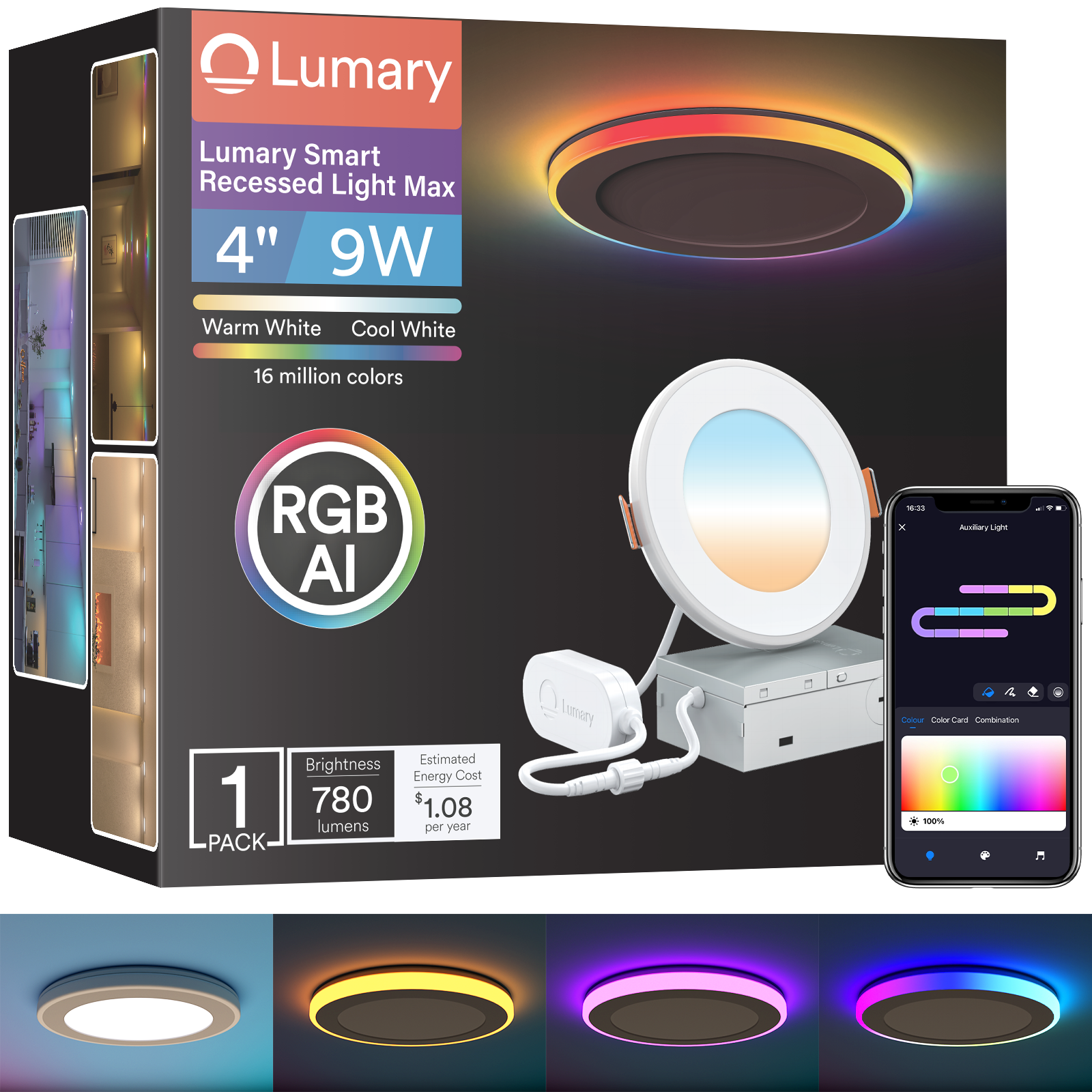
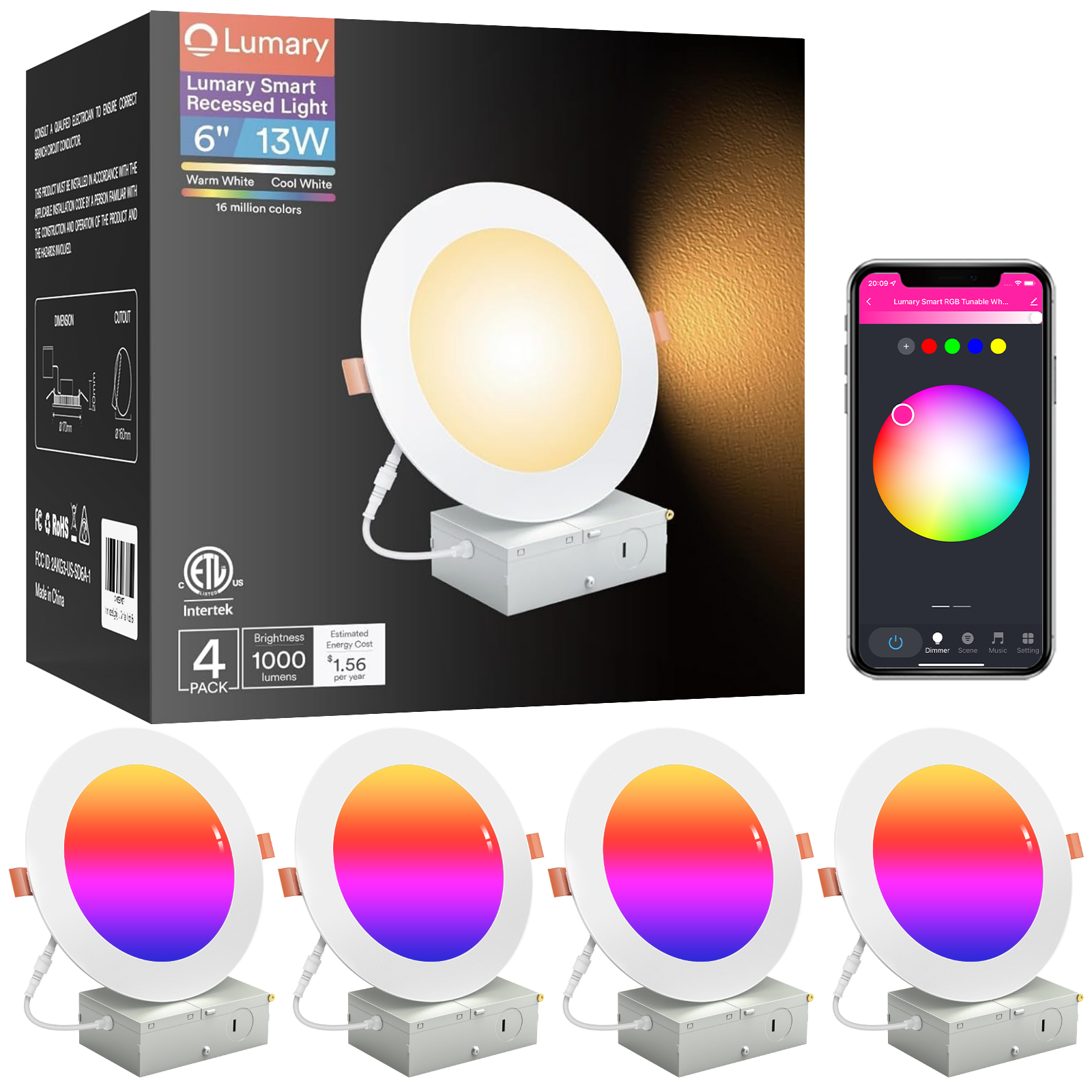
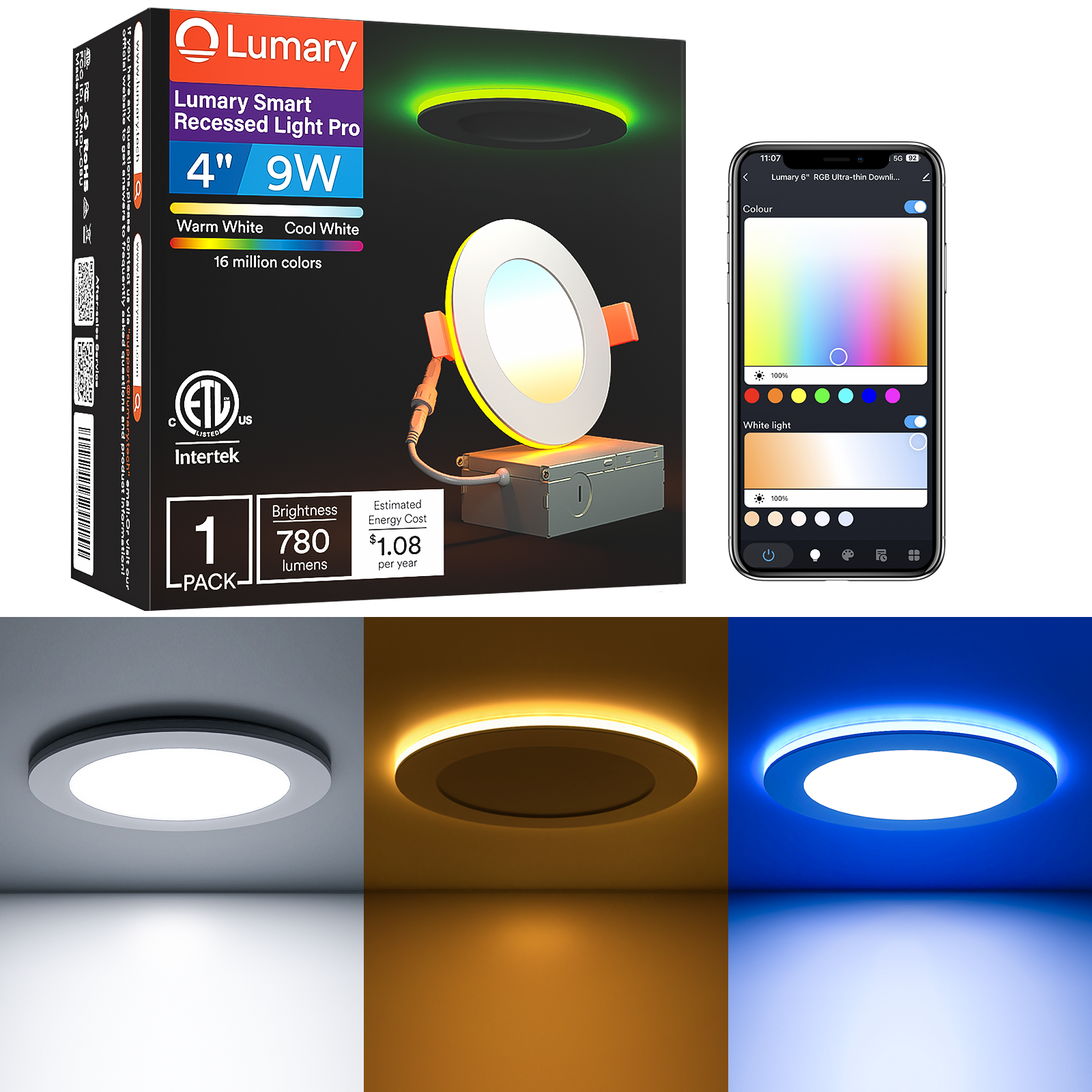


You can put in a recessed light even if you have never done electrical work before. More than half of homeowners did a DIY project lately, so you are not the only one. The Lumary Wi-Fi Smart Gimbal Recessed Light gives smart control, can turn, and has safety ratings.
Safety comes first. Always switch off the power at the circuit breaker before you start any installation.
Are you curious about Wi-Fi compatibility or where to put the light? You will find answers as you work.
Key Takeaways
-
Always put safety first by turning off the power at the circuit breaker before you start your installation. - Get important tools like a drill, multimeter, and the Lumary Wi-Fi Smart Gimbal Recessed Light to make sure your installation goes well. - Think about your lighting layout before you begin so you do not get strong shadows and each room is bright enough.

Recessed Light Preparation
Gather Tools and Materials
You want to start your recessed light installation with the right tools. Grab a drill with self-drilling drywall anchors, fish tape, a multimeter, reusable cable ties, a level or laser level, and a utility knife. These tools help you work safely and make the job easier. You also need electrical boxes, cables, wires, and the Lumary Wi-Fi Smart Gimbal Recessed Light. This fixture stands out because it offers smart control, a rotatable design, and air-tight/IC ratings. You can adjust the lighting with your phone or voice, and the gimbal lets you aim the light where you need it.
Safety Checks and Power Off
Safety matters most. Before you touch anything, turn off the power at the circuit breaker. This step protects you from electrical hazards like shocks, sparks, or fires. Use a multimeter to check that the power is off. You avoid risks and keep your installation safe. The Lumary recessed light is ETL listed, so you know it meets strict safety standards.
Plan Lighting Layout
You need to plan the layout for your recessed lighting. Think about how you use each room. Kitchens need bright lights over counters, while bedrooms need softer light. Space your recessed lights about half the ceiling height apart. For an 8-foot ceiling, place them 4 feet apart. Avoid harsh shadows and glare by positioning each fixture thoughtfully. Use the manufacturer’s template for marking ceiling openings. This template gives you quick and accurate cutouts.
Note: The Lumary Wi-Fi Smart Gimbal Recessed Light works only with 2.4 GHz Wi-Fi and is not compatible with dimmer switches. Make sure your setup matches these requirements before you begin.

Install and Test the Recessed Light
Mark and Cut Ceiling Openings
You want your recessed light to look neat and professional. Start by finding the ceiling joists with a stud finder. This helps you avoid hitting anything hidden, like pipes or wires. If you feel unsure, make a small inspection hole to check for hazards. Next, grab the template from your Lumary kit. Place the template on the ceiling where you planned your lighting layout. Trace the outline with a pencil for optimal placement.
Here’s a quick step by step guide for marking and cutting:
-
Locate ceiling joists with a stud finder.
-
Mark openings using the manufacturer’s template.
-
Cut the ceiling holes with a hole saw for clean, safe electrical operation.
Tip: A hole saw gives you the cleanest cut and is easy to use, even if you’re new to DIY projects.
|
Tool |
Advantages |
Disadvantages |
|---|---|---|
|
Hole Saw |
Precise, clean cuts, low risk of mistakes |
None; best choice for beginners |
|
Jig Saw |
Adaptable, easy for curves |
Less precise, rougher edges |
|
Rotary Tool |
Compact, easy to handle |
Slower, may leave rough edges |
Remove Old Fixtures (if needed)
If you need to remove an old fixture before you install recessed lighting, follow these safety steps:
-
Turn off the power at the breaker. Double-check with a voltage tester.
-
Use a sturdy ladder. Wear insulated gloves and goggles for safety.
-
Make sure your work area is bright and clear of debris.
You want to keep the ceiling opening clean so your new fixture fits perfectly. Removing old fixtures safely helps you avoid hazards and keeps your installation smooth.
Wire the Recessed Light
Wiring is the heart of your installation. The Lumary Wi-Fi Smart Gimbal Recessed Light makes this part simple. Here’s how you wire the fixture:
-
Pull the electrical wires through the ceiling hole and into the junction box.
-
Strip the ends of each wire with wire strippers.
-
Match the wires by color: black to black, white to white, and ground to ground.
-
Twist wire connectors tightly to secure each connection.
-
Tuck the wires neatly into the junction box to prevent loose connections.
Note: Always follow the manufacturer’s instructions for wiring and grounding. This ensures safe electrical operation and keeps your lighting working for years.
If you run into trouble, check for loose wires or connectors. Make sure your Wi-Fi network is set to 2.4GHz, as the Lumary recessed light only works with this frequency.
Secure and Test the Light
Now you’re ready to place the fixture into the ceiling. The Lumary Wi-Fi Smart Gimbal Recessed Light is IC-rated and air-tight, so you can install it in insulated or damp locations without worry. Push the fixture into the opening until it clicks into place. This keeps it secure and prevents fire hazards.
|
Fixture Type |
Insulation Contact |
Fire Hazard Prevention |
|---|---|---|
|
IC-rated |
Yes |
Safe |
|
Non-IC-rated |
No |
Needs space |
Once you complete the installation, turn the power back on. Test the light by flipping the switch. Open the Lumary app on your phone or use your voice assistant. Try out different colors, adjust the brightness, and rotate the gimbal for targeted lighting. You can set schedules, sync to music, or pick from 44 scene modes.
Common question: “How do I connect my Lumary Wi-Fi Smart Gimbal Recessed Light to Alexa or Google Assistant?”
Answer: Open the Lumary app, follow the pairing instructions, and link your device to your preferred voice assistant for hands-free control.
If the light doesn’t work, check your wiring and Wi-Fi connection. Make sure all connectors are tight and your phone is close during setup. Reset the light if needed and try again.
Here’s a quick look at how long each installation method takes for beginners:
|
Installation Method |
|
|---|---|
|
Canless Installation |
30-45 minutes (new wire) |
|
|
15-20 minutes (power available) |
|
Retrofit Installation |
5-10 minutes |
|
Traditional Can Installation |
60-90 minutes |
You can enjoy energy savings, too. LED recessed lights use up to 90% less energy than old bulbs and last much longer. Smart controls let you set schedules and adjust brightness, so you only use the lighting you need.
Remember: Regular cleaning and quick inspections keep your recessed lighting bright and safe for years.
You learned how to put in smart recessed lighting. You got your tools ready and checked for safety. You planned where the lights should go. You wired the fixture and tested the light. Homeowners like saving energy and easy setup. They also enjoy smart controls. If you have problems, restart the device or check your Wi-Fi. Now you can use your new Lumary Wi-Fi Smart Gimbal Recessed Light. You are ready for your next DIY project!
|
Benefit |
Description |
|---|---|
|
Energy Efficiency |
Saves money and uses eco-friendly LED technology |
|
Versatility |
Has many modes for different activities |
|
Smart Integration |
Works with voice assistants and music sync |
Common question: How do you change the color on your Lumary Wi-Fi Smart Gimbal Recessed Light?
You can use the Lumary app or your voice assistant to pick from millions of colors.

FAQ
How do you reset the Lumary Wi-Fi Smart Gimbal Recessed Light?
You can reset the light by turning it on and off three times. The light will blink. Now you can reconnect it to your app.
Can you use this lighting in a bathroom or kitchen?
Yes, you can install it in damp locations like bathrooms or kitchens. The air-tight and IC-rated design keeps it safe and reliable.
What should you do if the light will not connect to Wi-Fi?
Check your Wi-Fi. Make sure it is 2.4GHz. Move your phone closer to the light. Try resetting the light and reconnecting through the Lumary app.

