


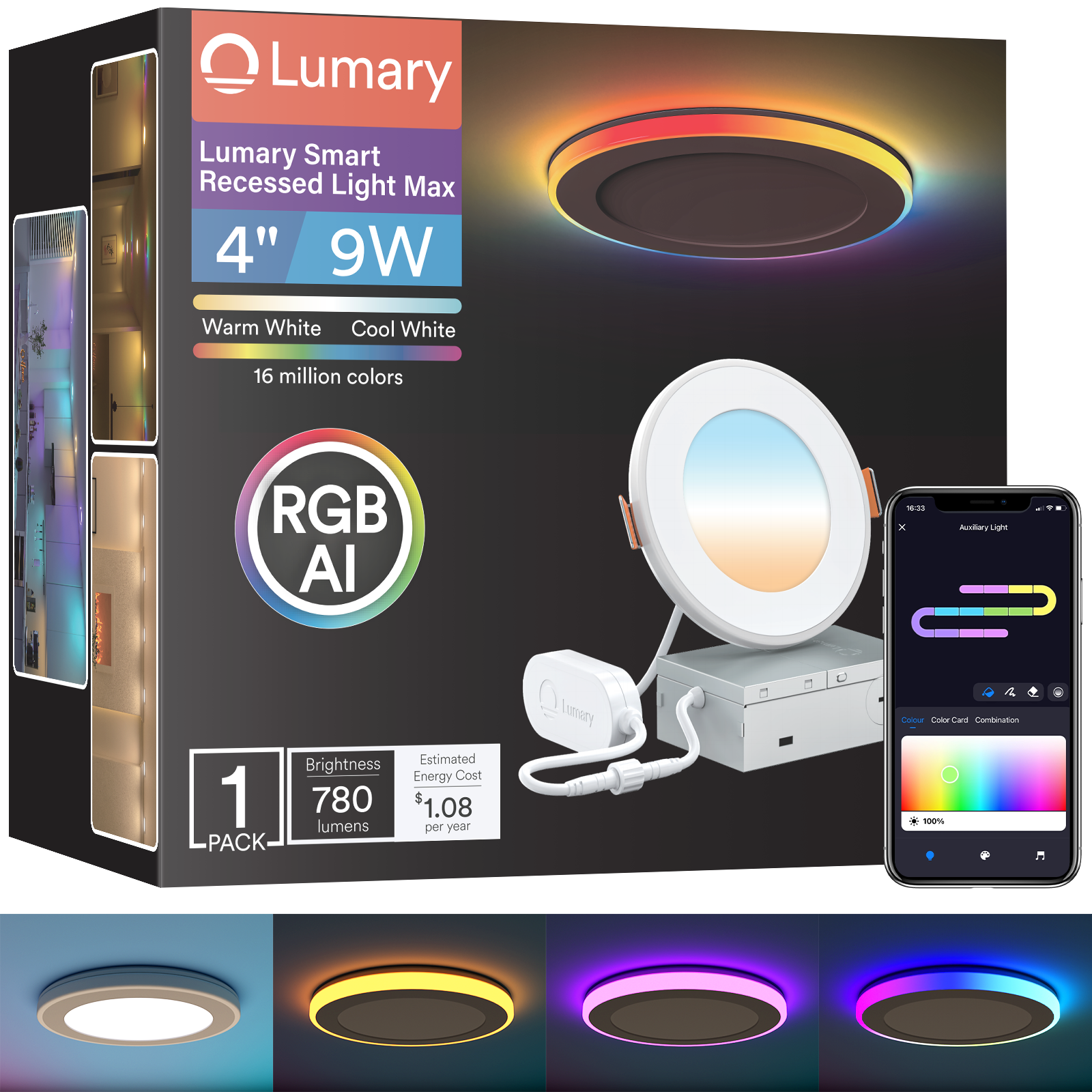
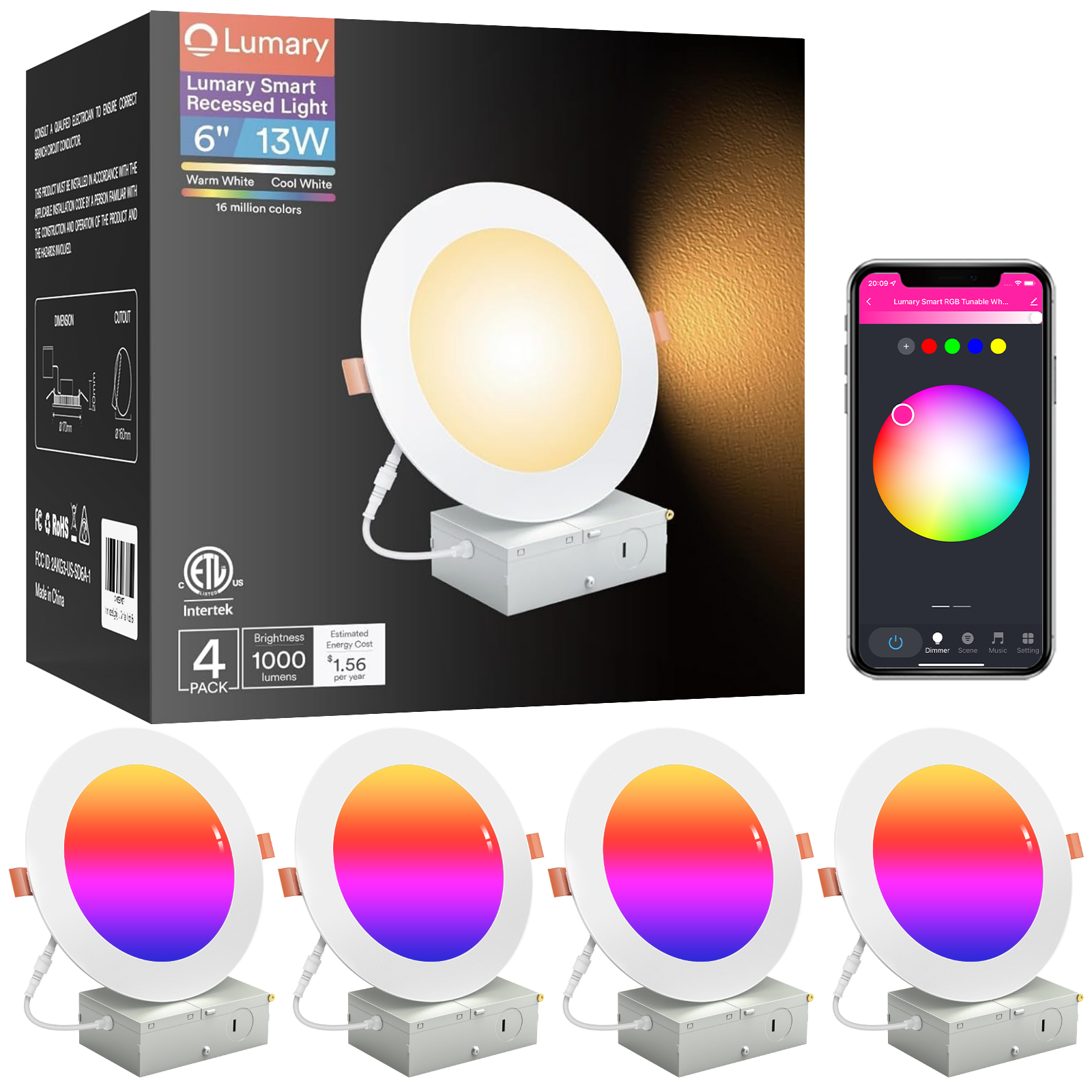
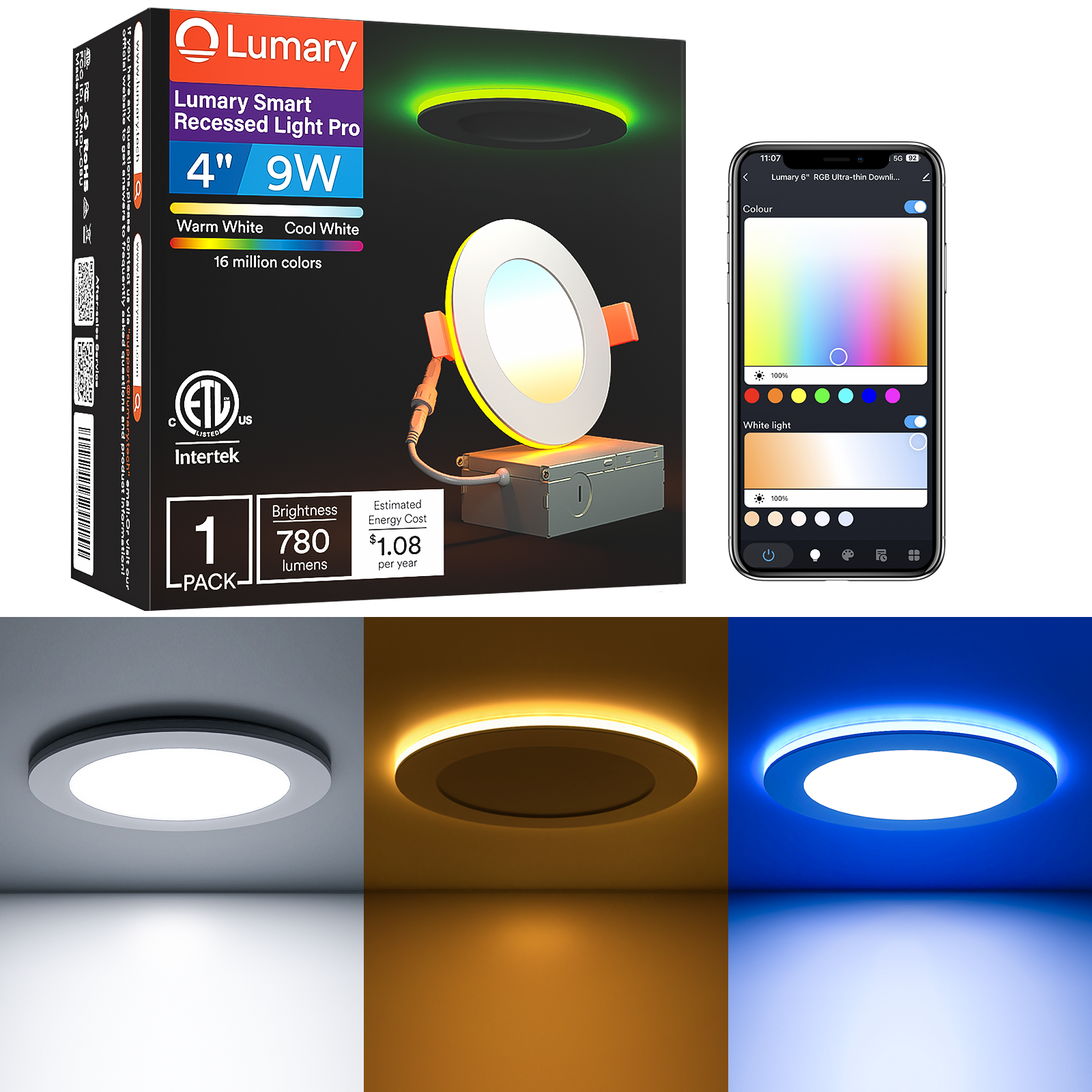
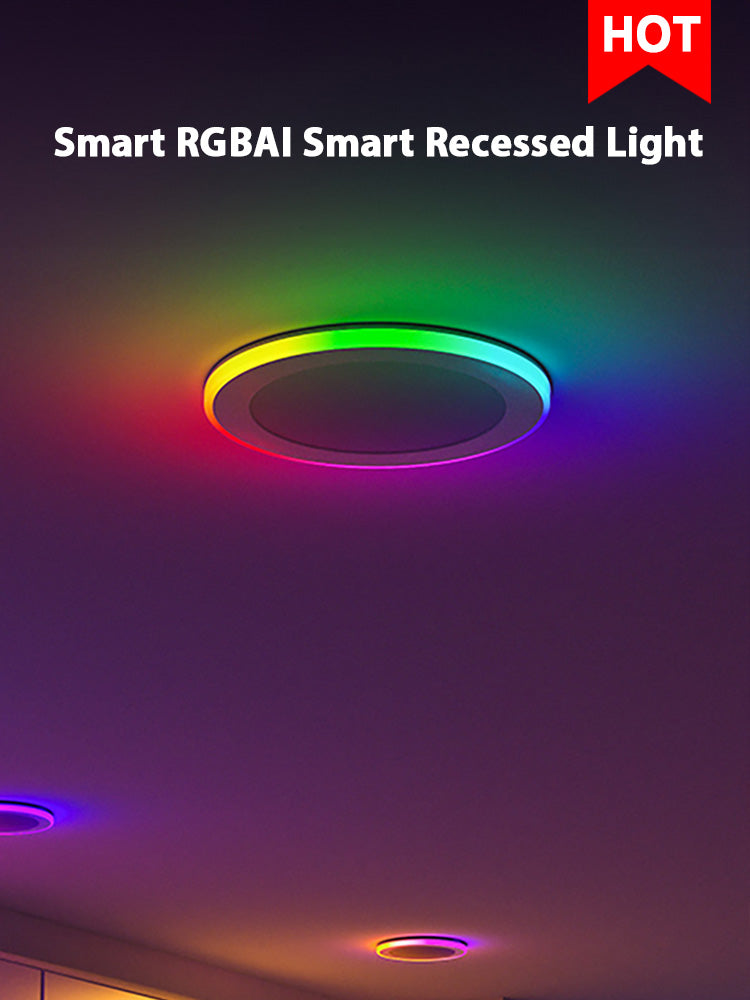


Recessed lighting works by putting the light fixture inside the ceiling. This keeps the ceiling flat and neat. You only see the trim and bulb. This gives your room a clean and modern look. The main parts are the housing, trim, and bulb. The housing holds everything together. The trim shapes how the light shines. The bulb gives off the light. You can use recessed lighting for general, work, or special lighting. It is helpful in any room or even outside. Many people pick it because it lasts a long time. It also saves energy with smart features. It fits well with any style of decoration.
Key Takeaways
-
Recessed lighting gives a clean and modern look. The fixtures go inside the ceiling. This keeps your room tidy and free of clutter.
-
Pick the right housing and trim for your recessed lights. Think about your ceiling type and the lighting effect you want. This helps keep things safe and works well.
-
LED bulbs are the best for recessed lighting. They use less energy and last longer. They can also lower your electricity bills a lot.
-
It is important to install recessed lighting the right way. Measure your ceiling height first. Plan where to put the lights for even lighting. This helps you avoid dark spots.
-
Think about the good and bad sides of recessed lighting. It looks nice but may need more fixtures in big rooms.
 What Is Recessed Lighting?
Definition of Recessed Lights
You see recessed lights installed directly into the ceiling. This design lets the fixture blend with the ceiling surface. The result is a smooth, modern look that fits well in many homes and offices. Unlike hanging lights or chandeliers, recessed lighting does not add clutter to your space. You get a clean ceiling and a sleek style. Many people choose recessed lights for contemporary or minimalist rooms because they give a uniform light and do not distract from the room’s design.
Tip: Recessed lighting works well if you want a room to feel open and uncluttered.
How Recessed Lights Work
Recessed lights use a simple but smart design. You install the fixture into a hole in the ceiling. The housing sits inside the ceiling and holds the bulb. Only the trim and bulb show below the ceiling. When you turn on the light, the bulb shines downward through the trim. This setup spreads light evenly across the room and helps reduce shadows and glare.
The main parts of recessed lights work together to give you the best lighting:
-
Housing: This part supports the fixture and fits the ceiling type. It also protects the bulb and wiring.
-
Trim: You see this part. It shapes the light and can change how bright or soft the room feels.
-
Bulb: The bulb gives off the light. You can pick bulbs that save energy or give a certain color of light.
You can choose different trims and bulbs to match your needs. Some trims help direct light to a certain spot. Others help soften the light for a cozy feel.
Common Uses
You can use recessed lights in many places. They work well in both homes and businesses. Here are some common spots where people install recessed lighting:
-
Bedrooms
-
Kitchens
-
Living rooms
-
Hallways
-
Bathrooms
-
Garages
-
Offices
-
Shops
-
Hotels
-
Gyms
-
Arenas
-
Warehouses
-
Workshops
-
Staircases
-
Soffits
-
Gardens
-
Decks
-
Swimming pools
-
Pathways
-
Backyards
Recessed lighting also works for special uses like sign lights, security lights, and decorative lighting. You can use them indoors or outdoors. Many people pick recessed lights for kitchens, living rooms, and hallways because they give even light and do not take up space.
 Recessed Lighting Components
When you look at recessed lights, you see a simple design. The main components include the housing, trim, and light bulbs. Each part plays a special role in how recessed lighting works in your home or office.
Housing
The housing sits inside the ceiling and holds the rest of the fixture. You choose the right housing based on your ceiling type and where you want to install the light. Here is a table to help you understand the different types of housings and their uses:
|
Type of Housing |
Application |
|---|---|
|
New Construction Housing |
Used in new homes or big remodels where you can see the ceiling joists. |
|
Remodel Housing |
Good for existing ceilings; lets you upgrade to LED lighting easily. |
|
Retrofit Housing |
Saves money when you want to change old recessed lights to LED; uses clips for installation. |
|
Insulation Contact (IC)-Rated |
Safe to touch insulation; has heat shielding to prevent fire. |
|
Non-IC Housing |
Needs space from insulation; not safe for most ceilings. |
|
Airtight Housing |
Stops air from leaking; helps save energy and keeps rooms comfortable. |
|
Shallow Ceiling Housing |
Fits in ceilings that are not deep; works where regular recessed fixtures cannot fit. |
|
Sloped Ceiling Housing |
Made for sloped ceilings; fits where space is tight. |
Tip: Always check your ceiling type before picking a housing. This helps you avoid safety problems and get the best results.
Trim
The trim is the part you see from the room. It shapes the light and adds style. You can pick from different materials and designs. Here are some common trim materials and their effects:
|
Material |
Performance Impact |
|---|---|
|
Aluminum |
Cools the fixture and helps LEDs last longer. |
|
Plastic |
Light and eco-friendly, but does not cool as well. |
|
Steel |
Strong and tough, but heavier and less cooling. |
-
Lensed trims work well in wet places like showers or outside eaves.
-
These trims stop water from touching the bulb and can prevent damage.
-
You can find lensed trims in flat glass, plastic, or decorative glass.
Light Bulbs
You have many choices for bulbs in recessed lights. Each type gives a different kind of light and saves energy in its own way. Here is a table to compare the main types:
|
Type of Bulb |
Description |
Energy Efficiency |
|---|---|---|
|
PAR |
Good for pointing light at one spot; used for accents. |
Uses up to 80% less energy than old bulbs. |
|
BR |
Spreads light wide; best for lighting a whole room. |
Uses up to 80% less energy than old bulbs. |
|
MR |
Small and flexible; often used in stores or displays. |
Uses up to 80% less energy than old bulbs. |
You can pick bulbs that fit your needs. Some bulbs last longer and use less power, which helps you save money over time.
 Types of Recessed Lights and Can Lights
Trim Styles
You can choose from many trim styles when you pick recessed lights. Each trim style changes how the light looks and works in your room. Some trims make the light brighter, while others help reduce glare. Here is a table to help you compare the most popular trim styles and their benefits:
|
Trim Style |
Description |
Aesthetic/Functional Benefits |
|---|---|---|
|
Open trim |
Bulb sits flush with the ceiling. |
Clean look that does not distract. |
|
Reflector trim |
Shiny surface inside the trim. |
Makes the room brighter. |
|
Baffle trim |
Black ridges inside the trim. |
Cuts down on glare and eye strain. |
|
Pinhole trim |
Small opening for the light. |
Modern style, good for highlighting objects. |
|
Eyeball trim |
You can move the light direction. |
Lets you aim the light where you want. |
|
Gimbal trim |
Sits deeper in the ceiling, adjustable. |
Reduces glare, still adjustable. |
|
Canless trim |
No housing needed, connects right to wires. |
Easy to install, less clutter. |
|
Shower trim |
Glass cover protects the bulb. |
Safe for wet places like showers. |
|
Wall wash trim |
Shields part of the light, focuses it on walls. |
Great for showing off art or special walls. |
Tip: If you want a simple look, open trim works well. For bright rooms, try reflector trim. For less glare, baffle trim is a good choice.
Housing Options
You need to pick the right housing for your recessed lights. The housing keeps the fixture safe and fits your ceiling type. Some housings work with insulation, while others fit sloped ceilings. This table shows the main options:
|
Feature |
Description |
|---|---|
|
Safe to touch insulation like fiberglass or spray-foam. |
|
|
Variety of Options |
Many IC-rated choices for different ceiling needs. |
|
Incline Product Family |
Made for sloped ceilings from 15° to 45°, keeps the light straight. |
|
Compatibility |
Works with spray-foam insulation, helps keep your home energy efficient. |
Note: Always check your ceiling and insulation before you buy housing for recessed lighting.
Specialty Can Lights
Some can lights work in special places or for unique needs. You can find options for wet areas or sloped ceilings. Here are a few specialty can lights you might want to consider:
-
Nora 4" Iolite Canless Sloped Ceiling Trim: Fits sloped ceilings and gives smooth light without a big housing.
-
Adjustable LED module: Works for different ceiling angles, from gentle to steep.
-
Wet location rated: Safe for showers, bathrooms, or outdoor spots.
-
Easy to install: Good for both new builds and remodels.
-
Made from strong, heat-safe aluminum.
-
Works with many color temperatures and dimming features.
You can use these specialty can lights to solve tricky lighting problems in your home or business. They help you get the right look and safety for every space.
 Installing Recessed Light Fixtures
Placement Tips
You want your recessed lights to light the room evenly. First, measure how high your ceiling is. Use this table to help you space your lights right:
|
Ceiling Height |
Recommended Spacing |
|---|---|
|
8 feet |
4 feet |
|
10 feet |
5 feet |
|
Accent Lighting |
4-6 feet apart |
Put your recessed lights so the light covers the whole area. For general lighting, set the lights in a grid shape. For accent lighting, use downlights to show off art or special things. Do not put can lights too close to the walls. This can make strong shadows. Always plan where your lights will go before you cut any holes.
Tip: Use painter’s tape to mark your ceiling and test your plan before you install any can lights.
Safety Considerations
You need to follow safety rules when you put in recessed lighting. These rules keep your home safe. The table below shows the main codes you should know:
|
Standard Type |
Description |
|---|---|
|
National Electrical Code (NEC) |
Sets rules for safe wiring and installing fixtures. |
|
Energy Codes |
Makes sure your lights save energy and use the right bulbs. |
|
Local Building Codes |
Changes by area, covers special rules for your town or city. |
Some mistakes can be dangerous. Check this table to see what to avoid:
|
Mistake |
Consequence |
|---|---|
|
Improper wiring |
Can cause shocks or fires |
|
Failure to secure fixtures |
Lights might fall down |
|
Neglecting insulation |
Can trap heat and start a fire |
Always turn off the power before you start. Use the right wire size and cover all connections with insulation.
DIY vs. Professional Install
You might want to put in recessed lights yourself to save money. Doing it yourself can cost $250 to $800 for a small job. You could save $600 to $2,000 on labor. You will need to buy supplies, tools, and maybe permits. If you know how to do electrical work, you can try it.
Hiring a pro costs more, about $100 to $300 for each light. For a normal room, you may pay $800 to $2,500. A licensed electrician will follow all the rules and wire things safely. This lowers the chance of problems or damage. If your house has old wiring or needs new circuits, call a pro. You will feel safer and get a good result.
Note: If you are not sure about any part of the job, call a licensed electrician for help.
 Pros and Cons of Recessed Lighting
Benefits
Recessed lighting has many good points for homes or offices. Here are some of the main benefits:
-
Sleek aesthetic: Recessed lighting sits inside the ceiling. This makes your room look neat and modern. It fits well in rooms with a new style.
-
Space optimization: These lights do not use up wall or floor space. You can put them in small rooms where space is important.
-
Directional lighting: You can point recessed lights at art or counters. This helps you show off special things or set the mood.
-
Reduced glare: If you install downlights the right way, they cut glare. This makes it easier to read or work in the room.
-
Enhanced room size: Recessed lighting can make a room seem up to 30% bigger. The even light makes the space look open and bright.
-
Less visual clutter: These lights sit flat with the ceiling. You do not see big lights hanging down, so the room looks tidy.
Tip: If you want your room to look bigger and brighter, recessed lighting is a smart idea. 😊
Drawbacks
Recessed lights have many good sides, but there are also some problems to think about before you put them in.
|
Drawback |
Description |
|---|---|
|
Recessed lighting does not work well in big rooms or with high ceilings. You may need a lot of lights. |
|
|
Need for proper installation |
If you do not put them in right, they can get too hot. You may need a pro to help. |
|
Generic design |
Some people think canned lights look plain and do not add much style. |
|
High number of fixtures needed |
You might need to put in many lights to make the room bright enough. This can cost more money. |
|
Potential need for electrical upgrades |
Your home’s wires may need to be changed, which can take more time and money. |
If you do not seal around recessed lighting, air can leak out. When air escapes, your heater or air conditioner must work harder. This can make your energy bills go up over time.
 Choosing Recessed Lights
Selecting the Right Fixtures
You want good lighting in your room. First, think about how big your room is. Also, think about what you want the lights to do. Pick a style that you like. The table below shows what to think about for each room:
|
Factor |
Description |
|---|---|
|
Size of the Space |
Big rooms need more lights. High ceilings need brighter bulbs. |
|
Purpose of the Lighting |
Task, accent, and general lighting need different bulbs and trims. Dimmers help you change the mood. |
|
Energy Efficiency |
LED bulbs use less energy and last longer. They help you save money. |
|
Choosing the Right Fixtures |
Adjustable, fixed, or baffle trims all look and work differently. Pick the one that fits your needs and style. |
If you want something easy and smart, try Lumary's recessed lights. They are simple to put in and save energy. You can change the brightness and color with your phone or voice.
Energy Efficiency
You can save energy and money with the right can lights. Look for ENERGY STAR certified lights. These use up to 90% less energy than old bulbs. They last at least 25,000 hours. Each light can save you about $80 over its life. The table below compares ENERGY STAR lights to others:
|
Feature |
Non-Rated Fixtures |
|
|---|---|---|
|
Energy Consumption |
Uses less energy |
Uses more energy |
|
Air Leakage |
Stops air from leaking |
Lets air escape |
|
Environmental Impact |
Makes less pollution |
Makes more pollution |
|
Compatibility with LED bulbs |
Works well with LEDs |
Not as good with LEDs |
Tip: Pick ultra-thin or canless recessed lights. They are easy to install and save more energy.
Maintenance Tips
You can keep your recessed lights working well with easy steps:
-
Wipe the fixtures with a soft cloth to clean off dust.
-
Check if the trim is sagging and fix it if needed.
-
Use the right bulb wattage so the lights do not get too hot.
-
Look at sockets and wires for damage.
-
Switch to LED modules for longer life and less work.
The table below shows common problems and how to stop them:
|
Common Issue |
Description |
Preventative Measure |
|---|---|---|
|
Sagging Trim |
Trim can droop and be unsafe |
Check and fix trim often |
|
Lights Turning Off |
Overheating or wrong bulb can turn lights off |
Use the right bulbs and keep away from insulation |
|
Blinking Lights |
Bad thermal device can make lights flicker |
Change the thermal device |
|
Blown Bulb/Socket |
Bulbs or sockets can break |
Check and change bulbs, look at sockets |
Keeping your recessed lights clean and checked helps them last longer and shine better. 😊
You now know how recessed lighting works and why it is a good choice for many rooms. Before you put in a light, look at these important things:
|
Why It Matters |
|
|---|---|
|
Project Needs |
Make sure the lighting fits what you want |
|
Room Size |
Measure so you get the right number of lights |
|
Fixture Type |
Pick a style and use that fits your room |
|
Energy Use |
Choose lights that save energy and money |
|
Installation Plan |
Decide if you will do it yourself or call a pro |
Think about the good and bad sides. Use this checklist to help you plan. Look at your choices or ask an expert for the best results.
FAQ
How do you know if recessed lighting is right for your room?
You should look at your ceiling height and room size. Recessed lights work best in rooms with flat ceilings and enough space above. If you want a clean look and even light, these lights are a good choice.
Can you install recessed lights in a bathroom or shower?
Yes, you can. You need to use trims and housings rated for wet or damp locations. Look for "shower trim" or "wet location" labels. These keep water away from the bulb and wiring.
What type of bulb should you use in recessed lighting?
You should use LED bulbs for most recessed lights. LEDs last longer and use less energy than old bulbs. Pick a bulb that fits your fixture and gives the light color you like.
Do recessed lights increase your energy bill?
Recessed lights can save energy if you use LED bulbs and airtight housings. Old bulbs and leaky fixtures waste power. Choose ENERGY STAR-rated products to lower your energy bill.

