




You can start a Recessed Light project with confidence if you have a good plan and the right tools. Safety is very important. Bad wiring or insulation problems can be dangerous. Look for problems like too much insulation near the fixture or any damaged wiring. These issues can cause the lights to burn out early or even start a fire. If you are careful, even beginners can make their lights look neat and professional.
Key Takeaways
-
Think about where you want your recessed lighting. This helps you avoid dark spots. It also makes the room bright everywhere.
-
Turn off the power at the breaker box before you start. This keeps you safe when working with electricity.
-
Use the right tools for the job. A stud finder and voltage tester help you work better and safer.
-
Test your lights before you finish putting them in. This lets you find problems early and saves you time.
-
Pick LED lights that use less energy. They last a long time and help you save money on your bills.
 Plan Your Recessed Lighting
Map Out Light Placement
You want your room to look bright and even. Start by thinking about how you use the space. Do you read, cook, or relax there? The way you use the room helps you decide where to put each recessed light.
Tip: For most rooms with an 8-foot ceiling, space your lights about 4 feet apart. If your ceiling is 10 feet high, try 5 feet between each light. Keep each light 2 to 3 feet away from the walls. This helps you avoid dark corners and shadows.
Here’s a quick guide for spacing:
-
8-foot ceiling: lights every 4 feet
-
10-foot ceiling: lights every 5 feet
-
Accent lighting: 4–6 feet apart
-
Keep lights 2–3 feet from walls
You can also use this rule: The space between fixtures should be twice the distance from the wall to the first light.
Locate Ceiling Joists
Before you mark any spots, you need to know where your ceiling joists are. Joists can block your installation if you don’t check first. Use a stud finder that detects density for the best results. These models give you the most accurate reading. If you want to be extra sure, make a small inspection hole to check for any ductwork or pipes.
-
Joist location is important for proper fixture placement.
-
Some fixtures work better near joists.
-
Direct-to-ceiling lights are a good choice if you want fewer restrictions.
Mark Openings with Template
Most recessed lighting kits come with a template. Place the template on the ceiling where you want each light. Trace around it with a pencil. This step helps you see exactly where to cut. Always double-check that your marks are clear of joists and other obstacles.
Gather Tools and Materials
You don’t need a lot of fancy tools to install recessed lighting, but having the right ones makes the job easier and safer. Here’s a list to get you started:
-
Voltage tester
-
Wire strippers and pliers
-
Sturdy ladder
-
Safety glasses and work gloves
When you pick your recessed lights, look for LED options. They save energy and last a long time. Here’s a quick look at some top choices:
|
Product Name |
Power Use |
Brightness |
Color Temperature Options |
Energy Savings |
|---|---|---|---|---|
|
TORCHSTAR Basic Series LED |
13W |
1250 Lumens |
Not specified |
Uses little energy |
|
JULLISON Ultra-Thin LED |
15W |
900 Lumens |
5000K Daylight White |
Not specified |
|
Amico 5CCT LED |
12W |
Equivalent to 110W |
2700K, 3000K, 3500K, 4000K, 5000K |
Up to 90% savings annually |
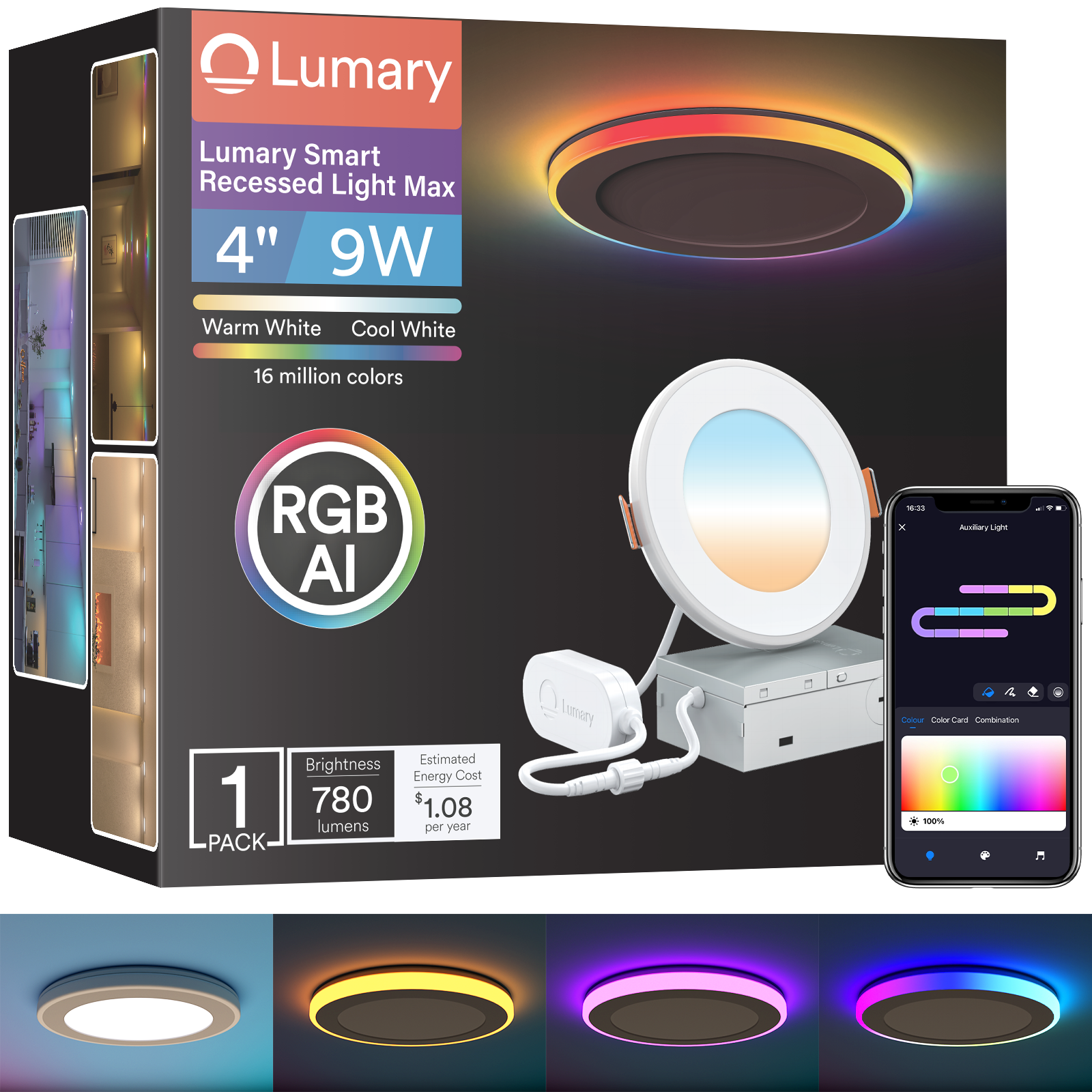
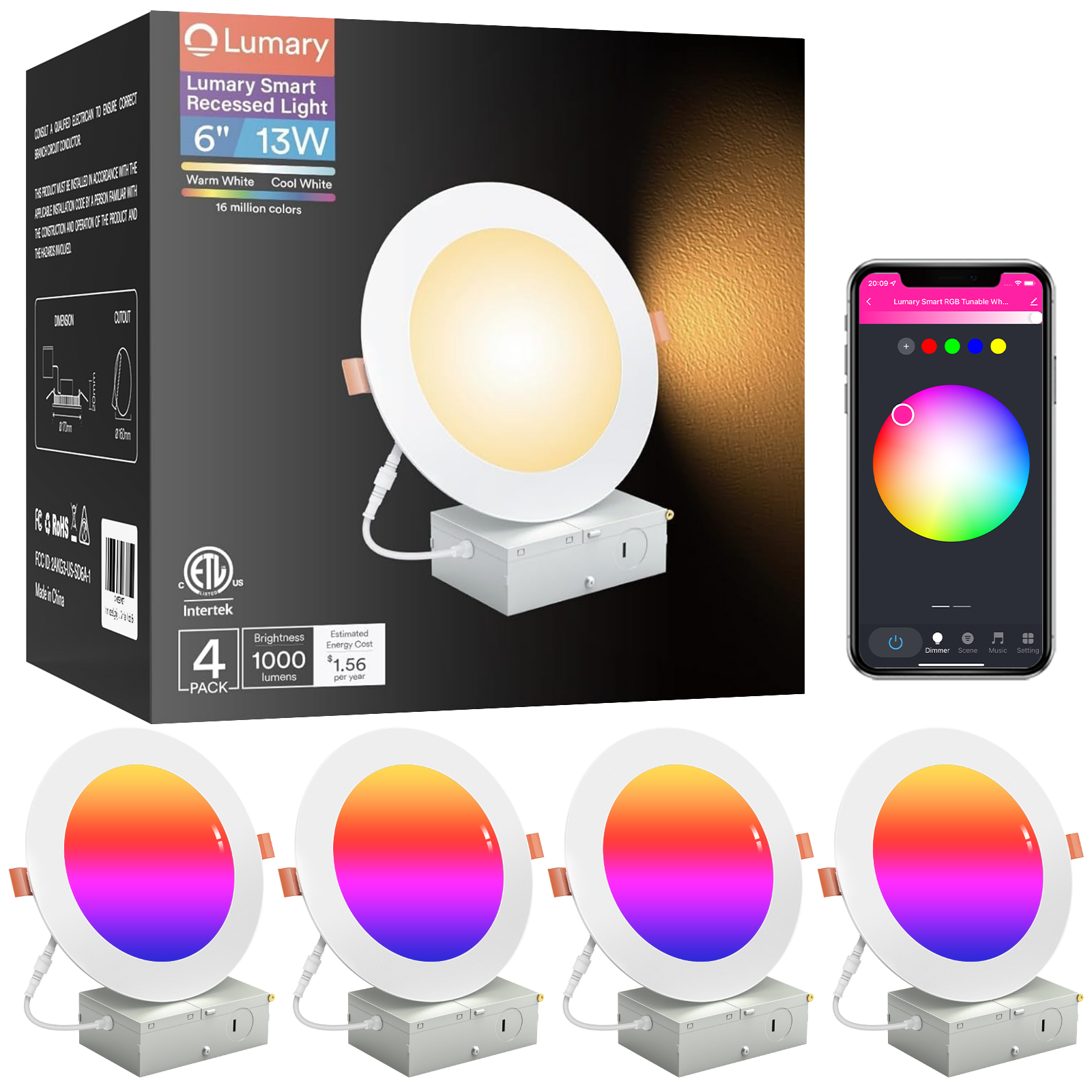
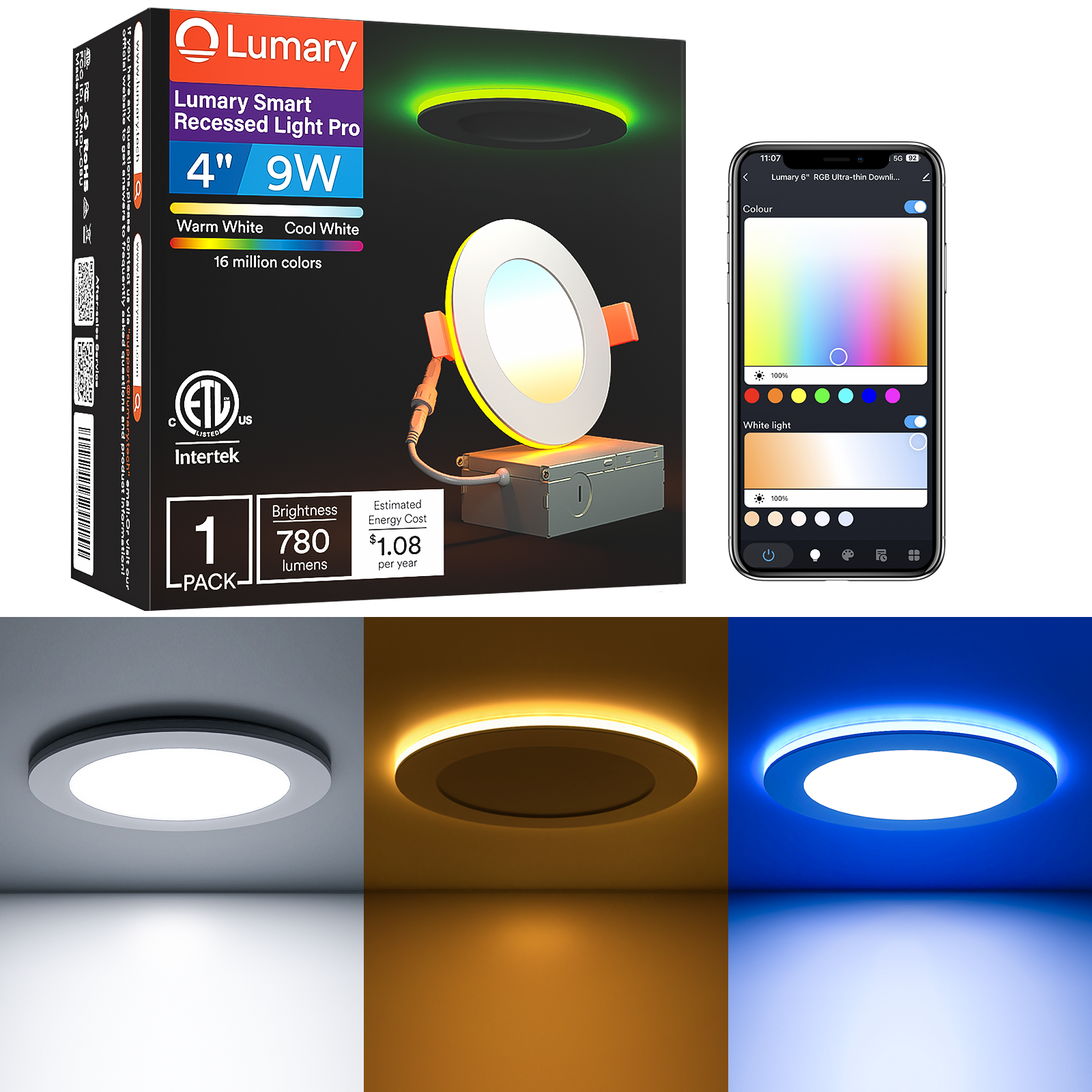
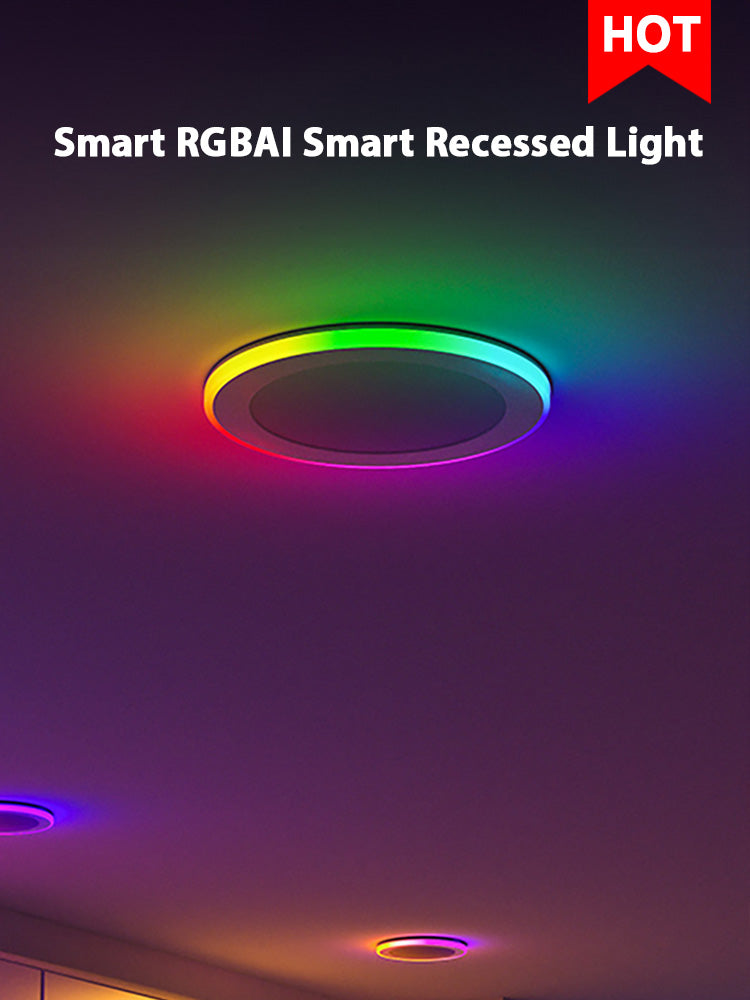
You might also want to check out Lumary’s recessed lights. Many DIY fans like them for their easy installation and smart features.
Planning your recessed lighting well means you’ll have a smooth installation and a bright, beautiful room.
 How to Install Recessed Lighting: Cut and Wire
Turn Off Power for Safety
Before you do anything, you need to make sure you stay safe. Electricity can be dangerous. Always turn off the power at your breaker box before you start working on any installation. Find the right circuit breaker and switch it off. Use a voltage tester to check that the wires have no power. You can also flip the light switch to double-check that the lights do not turn on.
Here is a quick checklist for turning off the power:
-
Go to your breaker box and turn off the power for the room.
-
Find the correct circuit breaker and switch it off.
-
Use a voltage tester to make sure there is no electricity in the wires.
The National Electrical Code has rules to keep you safe during your recessed lighting project. Here is a table with some important safety standards:
|
Safety Standard |
Description |
|---|---|
|
Fixture Rating |
Fixtures must be rated for their installation location, such as wet or damp areas. |
|
Installation Guidelines |
The NEC specifies how far apart fixtures should be and their placement for safety. |
|
IC-rated Fixtures |
IC-rated fixtures can be in contact with insulation, while non-IC-rated fixtures require space to prevent fire hazards. |
Cut Ceiling Holes
Now you are ready to cut the holes for your recessed lights. Use the template from your lighting kit to mark the spots on your ceiling. Make sure your marks are clear and away from any joists or pipes.
You have a few good options for cutting the holes:
-
A set of hole saws (sizes from 3/4 to 5 inches) works well for drywall and wood.
-
Many people use a keyhole saw for this job. It is easy to handle and gives you control.
-
Professionals often use a keyhole saw for most of their cuts.
Take your time and cut slowly. You want the holes to match the size of your recessed light housings. Clean up any dust or loose pieces before moving on.
Run Electrical Wiring
With the holes ready, you can start running the wires. Most homes use 12-2 cable for recessed lighting. This cable has a 12-gauge wire with two insulated wires and a ground wire. If your circuit is only 15 amps, you can use 14/2 cable. Always check your local electrical codes to make sure you use the right wire.
Here are some tips for wiring:
-
Pull the cable through each hole so you have enough wire to connect your lights.
-
Keep the wires neat and avoid sharp bends.
-
If you have insulation in your ceiling, use IC-rated fixtures. These can touch insulation safely.
Install Switch and Test Lights
Now you can connect the wires to your switch and test your lights. Attach the wires to the switch following the instructions in your kit. Make sure all connections are tight and secure.
Before you finish the installation, test your lights:
-
Turn the power back on at the breaker.
-
Flip the switch to see if your lights work.
-
If the lights do not turn on, check that the bulb is screwed in tightly. Look at the circuit breaker to see if it has tripped. Inspect the wiring for any loose connections.
Tip: Always test your lights before you finish installing the trim or closing up the ceiling. This step saves you time if you need to fix anything.
If you want to know how to install recessed lighting with the least trouble, always follow these steps. Careful planning and safe wiring help you get the best results from your new recessed light setup.
 Installing Recessed Lighting Fixtures
Secure Light Housings
You have your holes ready in the ceiling, so now it is time to secure the housings. Most recessed lighting kits use twist-lock clips. These clips are made from stainless steel and resist rust. They use spring-lock technology, which helps the housing stay tight against the drywall. To install, push each clip near the bend until it snaps into place. You will hear a click when it locks. This step keeps your recessed light steady and safe.
Tip: If you ever need to move or adjust the housing, easy-install models let you remove and reposition them without much trouble.
Connect Wires
Now you need to connect the wires. Many people trust wire nuts for this job. Wire nuts give you a strong and reliable connection. Some kits come with push-type connectors, but wire nuts are often safer and more cost-effective. Make sure you match the wires by color—black to black, white to white, and ground to ground. Twist the wires together, then screw on the wire nut tightly. Give each wire a gentle tug to check that it is secure.
Attach and Adjust Lights
You are almost done with installing recessed lighting. Slide the light fixture into the housing. Some models let you adjust the direction of the light. Traditional recessed lights often have adjustable trims, so you can aim the light where you want it. Can lights give you even more control over the direction. Easy-install models, like many canless designs, usually have less adjustability. Pick the right bulb for your needs and think about adding a dimmer switch for more control.
Note: Lumary’s recessed lights are popular for their smart features and easy installation.
Final Test and Clean Up
Turn the power back on and test your lights. Make sure each recessed light works and shines where you want. If you need to adjust the direction, do it now. After you finish, clean up the area. Remove and wipe the bulbs. Use a damp cloth to clean the inside and outside of the canisters. Dry everything well before you put the covers back on. A microfiber towel works great for this. If you use a cleaner, mix a little dish soap with warm water, but keep water away from any wires.
A clean finish makes your installation look professional and keeps your recessed lighting shining bright.
 Avoiding Common Mistakes When You Install Recessed Lighting
Prevent Overloading Circuits
You want your recessed lights to be safe and last. Putting too many lights on one circuit is a big mistake. This can make the wires get too hot and cause a fire.
Overheating is a big problem with recessed can lights. It can start a fire. This happens if you install them wrong, use the wrong bulbs, or don’t have enough air flow. Recessed lights need good air flow to cool down. If you put the fixture in a tight spot with little air, it can get too hot.
Here are some easy checks to help you stay safe:
-
A 15-amp circuit can handle 1,800 watts, but you should only use 1,440 watts.
-
Most LED bulbs use about 10 watts each.
-
After the light is on for a while, touch the fixture to check if it is too hot.
-
Always use bulbs with the right wattage.
Check Placement Accuracy
Putting your lights in the right spot makes your room look nice. It also makes installing easier. Use these tools to help you measure and mark your ceiling:
-
Level keeps your lights straight.
-
Laser measuring tool works for bigger rooms.
-
Stud finder helps you avoid joists.
You can draw your plan on graph paper or use a computer program to see how your lights will look. If you want help, ask an expert. They know the rules and can help you get the best results.
Double-Check Safety Steps
Safety is always important when you do a diy project. Some steps are easy to forget, but they matter a lot. Here is a table of safety steps you should not skip:
|
Safety Step |
Description |
|---|---|
|
Use fire rated drywall to help stop fire from spreading before you frame walls. |
|
|
Light Fixtures |
Make sure ceiling fixtures do not break fire separation. IC fire rated boxes may not be enough. |
|
Bathroom Fans |
Cover bath fan openings with fire rated drywall to prevent fire from spreading. |
|
In-Duct Smoke Detector |
Install smoke detectors in ductwork to catch fire early in heating systems. |
If you want smart features and easy installation, Lumary’s recessed lights are a good choice. Careful planning and checking your work will help you avoid mistakes and enjoy your new lights for a long time.
You can install recessed lighting with just three simple steps: plan, cut and wire, then secure your fixtures. Take your time and always put safety first—turn off the power, wear safety gear, and keep your workspace clean. Careful planning helps you avoid dark spots and keeps your lights working well for years. When you test your setup, you catch problems early and save money in the long run. Want an easy project? Many people like Lumary’s recessed lights for their smart features and simple install.
 FAQ
FAQ
How hard is it to install recessed lighting by myself?
You can do it! Most kits come with clear instructions. If you plan well and follow safety steps, you will get great results. Beginners often find Lumary’s recessed lights easy to install.
What tools do I need for recessed lighting?
You need a drill, a hole saw, a voltage tester, wire strippers, a ladder, and safety gear. Most kits include a template. You might want a stud finder, too.
Can I put recessed lights in any ceiling?
You can install recessed lights in most ceilings. Check for joists, pipes, or wires first. Use IC-rated fixtures if you have insulation. Some ceilings need special housings.
Are LED recessed lights better than traditional bulbs?
Yes! LED lights use less energy and last longer. They stay cool and save you money. Many people like Lumary’s LED recessed lights for their smart features.
Do I need an electrician to install recessed lighting?
You can do it yourself if you feel comfortable with wiring and safety steps. If you feel unsure, call a licensed electrician. Safety always comes first!

