


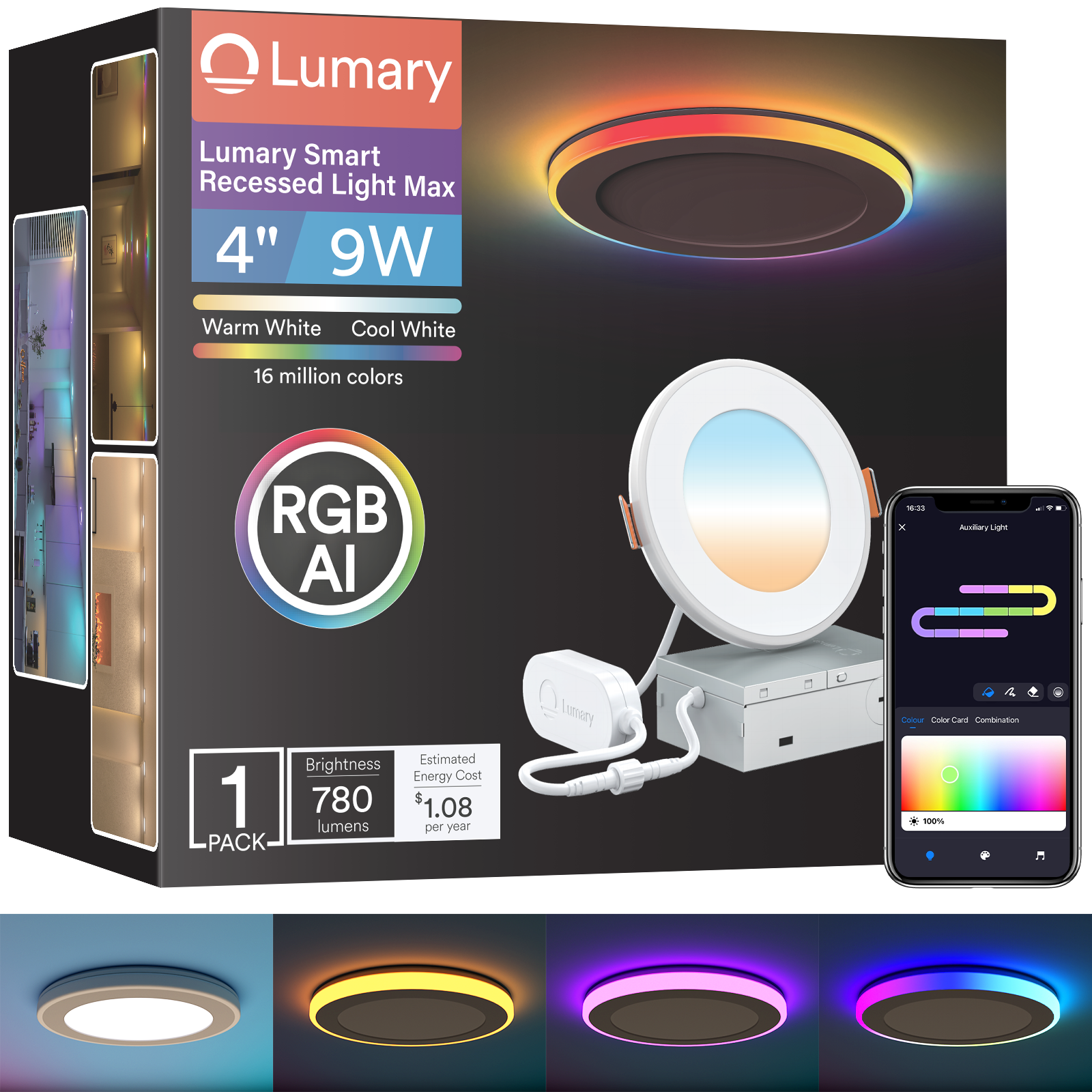
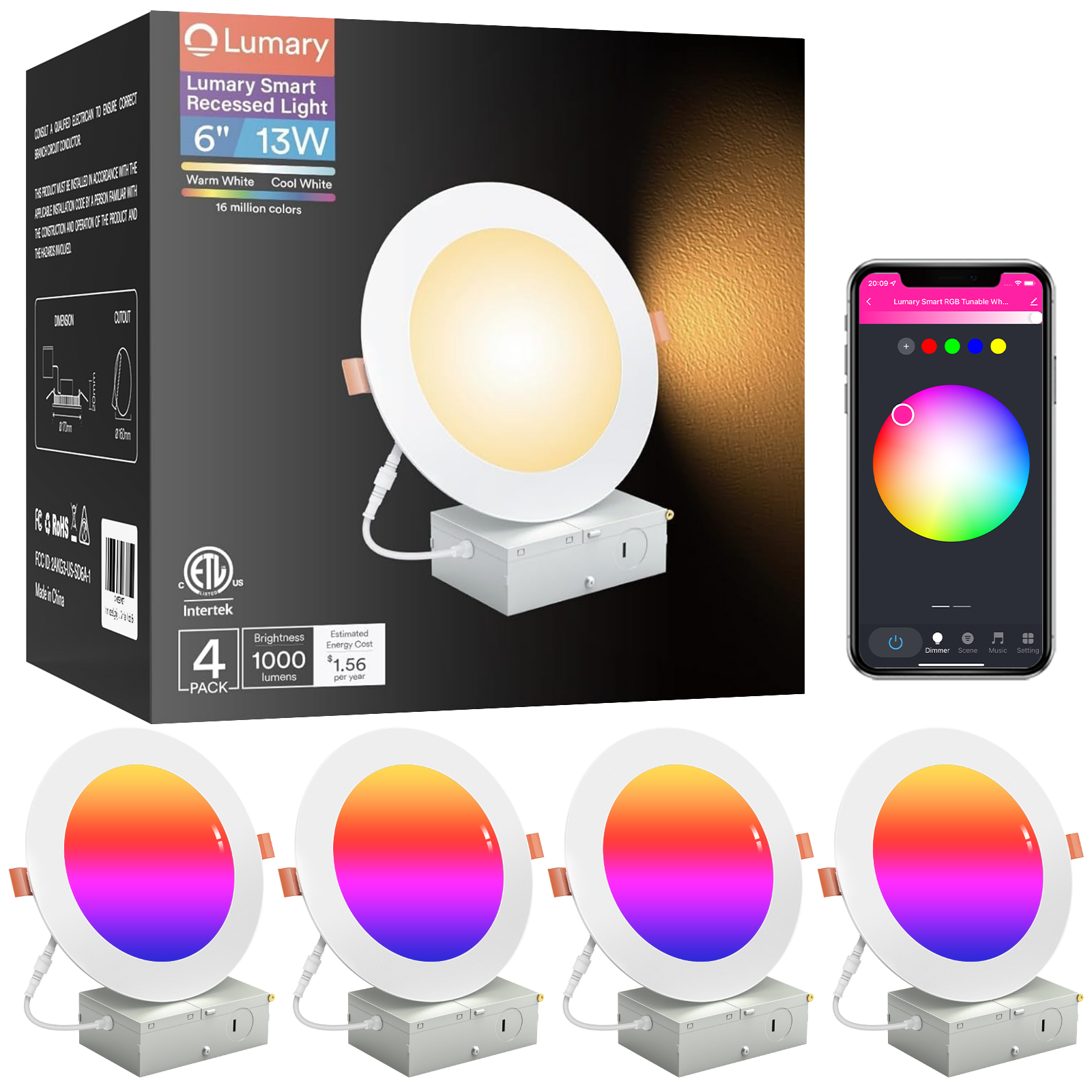
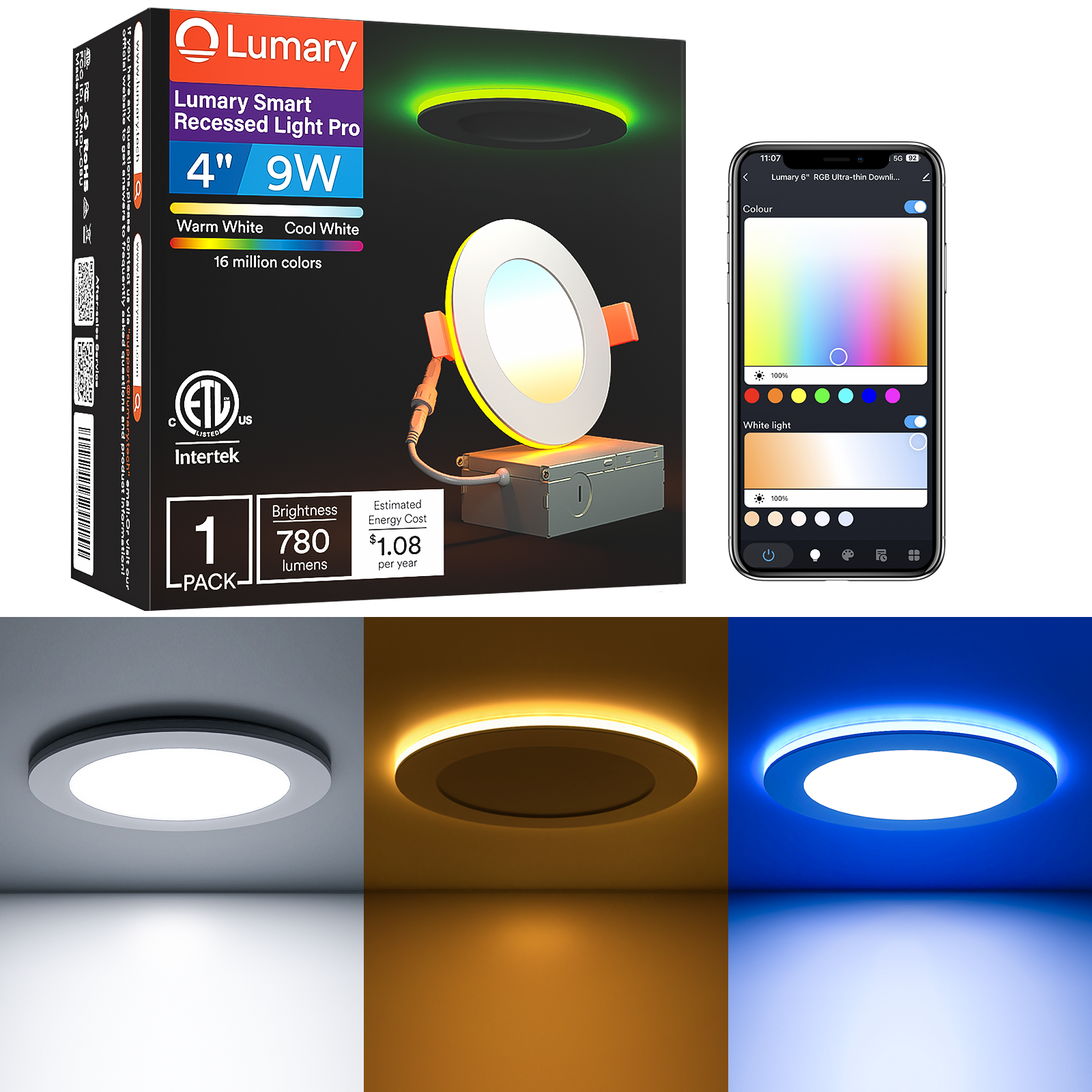
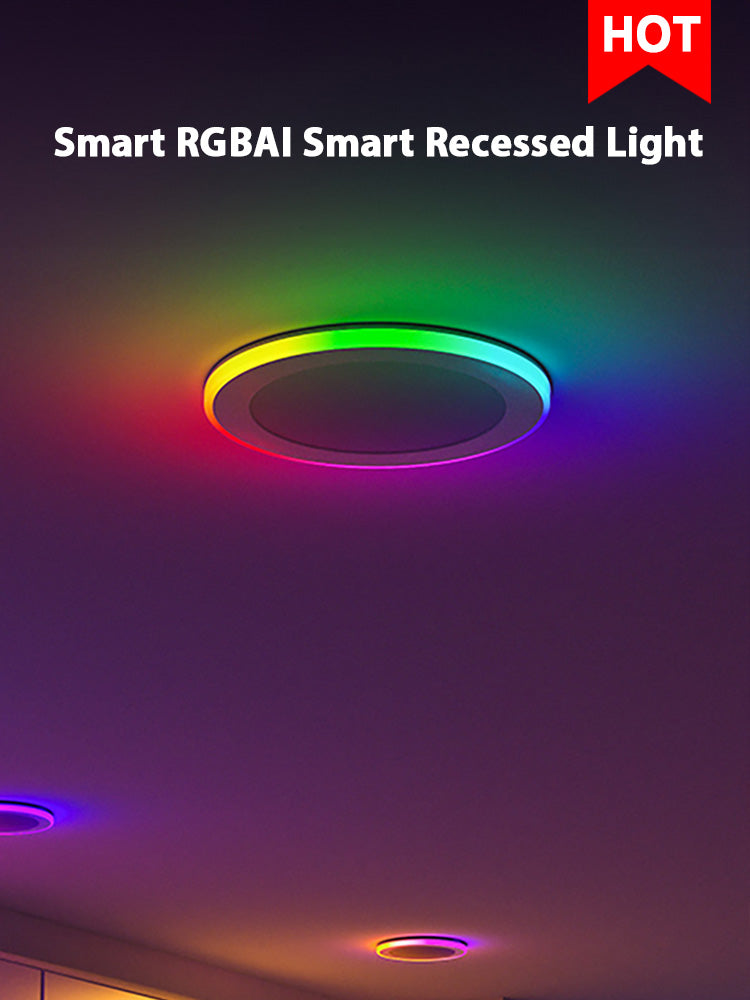


Recessed lighting is also called can lights or recessed downlights. It sits inside your ceiling or wall. This makes your room look clean and modern. People use different names for these lights:
|
Alternative Name |
Description |
|---|---|
|
Recessed Lighting |
This means fixtures put in ceilings. |
|
Can Lights |
This is a casual name for lights shaped like cans. |
|
Recessed Downlights |
These are lights made to shine downwards. |
A regular recessed light has three main parts. These are the housing, the trim, and the light source. Many people pick recessed lighting because it spreads light evenly. It does not stick out from the ceiling or wall. You can make your space bright and open with this lighting.
Key Takeaways
-
Recessed lighting looks smooth and modern. It sits flat with ceilings or walls.
-
The main parts of recessed lights are housing, trim, and the light source. Each part has its own job.
-
Planning and spacing recessed lights well stops shadows. It helps light spread evenly in your room.
-
LED bulbs work best for recessed lighting. They save energy and last a long time.
-
Try using different kinds of lighting together. This makes your rooms look nice and work better.
 What Is Recessed Lighting
Basic Definition
You may hear people call recessed lighting by different names, such as downlights or can lights. These lighting fixtures sit inside your ceiling or wall, so you only see the trim and the light itself. The rest of the recessed light hides above the surface. This design gives your room a clean and modern look. You do not see any bulky parts hanging down. Recessed fixtures work well when you want your lights to blend in and not distract from your decor.
How It Differs from Other Fixtures
Recessed lighting stands out because it installs flush with the ceiling or wall. You need space above the ceiling for the fixture and wiring. This makes the installation process more complex and time-consuming than surface-mounted lighting fixtures. Surface-mounted lights attach directly to the ceiling or wall, so you do not need to cut into the structure. You can install surface-mounted lights much faster and with less effort. Recessed lighting takes longer to install, especially if you remodel or build a new space. You must cut into the ceiling and run wires for each recessed light.
Many beginners think recessed lights alone will light up a whole room. This can lead to glare and shadows. You should use a mix of lighting sources for the best results.
Common Uses
You often see recessed lighting in rooms with lower ceilings. Kitchens, offices, and living rooms are popular places for these fixtures. Homeowners choose recessed lighting for its sleek and unobtrusive design. It spreads light evenly, so you do not get dark corners. You can use recessed lighting in large spaces to make them feel bright and open. Downlights fit well in modern interiors and minimalist styles. Many people also like that recessed lighting is energy-efficient, especially when you use LED bulbs. This can help you save money on electricity.
Using too many recessed lights in one area can make a room feel too bright and sterile. Bedrooms and living rooms look better with a mix of lighting types.
 Recessed Light Components
You only see a small part of a recessed light. There are three main parts in every recessed lighting fixture. Each part has a special job to help the light work well in your home.
|
Component |
Function |
|---|---|
|
Housing |
Holds the light source and wiring; comes in different types for different ways to install. |
|
Trim |
The part you see that makes the light look nice and cuts down on glare; comes in many styles. |
|
Light Source |
Makes the light; can be different types, which changes how bright it is and how much energy it uses. |
Housing
The housing is the part you cannot see. It sits above the ceiling or inside the wall. This part holds the wires and the light source. Good housing lasts longer and keeps your lights safe. Strong housing helps with heat and daily use. Bad housing can get too hot or cause electrical problems. You need to pick housing that fits your space and is safe. Installing it the right way helps your lights last longer and work safely.
Tip: Always pick housing that works with your ceiling and insulation.
Trim
Trim is the only part you see after installing the light. It covers the edge of the housing and changes how the light spreads. You can choose from many trim styles and finishes to match your room. Some popular trim styles are:
-
Baffle trim: Softens the light and cuts glare, good for bedrooms.
-
Reflector trim: Shiny surface makes the light brighter, great for kitchens.
-
Eyeball trim: Lets you point the light, nice for art.
-
Gimbal trim: Lets you move the light, adds more options.
Trim finishes also change how your room looks. White trims blend in and look smooth. Dark trims make the room look deeper. Matte finishes feel calm. Glossy ones make the room look brighter.
Light Source
The light source is what makes the light. You can pick from LED, incandescent, or fluorescent bulbs. LEDs use less energy and last much longer than other bulbs. They can shine up to 25 times longer, so you do not have to change them often. This saves you money and energy over time. The type of light source you pick changes how bright your room is and how much you pay for electricity.
Note: Using LED bulbs in your recessed lights is smart. They save energy and last a long time.
 Types of Recessed Light Fixtures
Fixture Styles
You can choose from several fixture styles when you pick recessed lighting for your home. Most people use downlights because they shine light straight down and create a bright, open space. Can lights are another popular style. These fixtures look like small cans hidden in your ceiling. You see them often in kitchens and hallways. Modern trends favor clean lines and simple shapes. Ultra-slim designs work well in rooms with shallow ceilings. Minimalist styles help your space feel bigger and brighter.
Tip: Minimalist recessed fixtures blend into your ceiling and make your room look neat.
Housing Types
You need to pick the right housing for your recessed light. The housing holds the wiring and bulb above your ceiling. There are four main types:
-
New construction housing works best if you build a new home or add a new ceiling. You install it before you finish the ceiling.
-
Remodel housing fits into ceilings that already exist. You do not need to change the structure much.
-
IC-rated fixtures touch insulation safely. These work well in energy-efficient homes.
-
Non-IC rated fixtures cannot touch insulation. Use these in spaces without insulation.
The right housing makes installation easier and keeps your lights safe.
Bulb and Trim Options
You have many choices for bulbs and trims. The most common bulbs are incandescent, halogen, fluorescent, and LED. LED bulbs last the longest and save the most energy. Halogen bulbs shine brightly but get hot. Fluorescent bulbs cost less and last a long time, but they may flicker. Incandescent bulbs give a warm glow but use more electricity.
Trims change how your recessed light looks and works. Open trims hide the inside of the fixture. Reflector trims make your room brighter. Baffle trims cut down on glare. Pinhole trims focus light on one spot. Eyeball and gimbal trims let you point the light where you want. Shower trims protect bulbs from moisture, so you can use them in bathrooms. Wall wash trims highlight walls and art.
Note: You can mix bulb and trim options to match your style and lighting needs.
Choosing and Installing Recessed Lighting
Selection Tips
You want to pick the right recessed lighting for your space. Start by thinking about the size of your room, the purpose of the lighting, and how much energy you want to save. The table below can help you compare important factors:
|
Factor |
Description |
|---|---|
|
Large rooms need more lights. Small rooms need fewer. Ceiling height changes light spread. |
|
|
Purpose of Lighting |
Task, ambient, or accent lighting needs different bulbs and brightness. Dimmers help, too. |
|
Energy Efficiency |
LED bulbs use less energy and last longer. They can lower your bills and help the environment. |
You should also match the bulb type and wattage to each room. For example:
|
Room |
Recommended Bulb Type |
Wattage Range |
|---|---|---|
|
Kitchen |
LEDs |
|
|
Living Room |
LEDs |
2700K–3000K |
If you want a reliable lighting fixture, consider Lumary's recessed lights. These can lights offer smart features and easy control, making them a good choice for many homes.
Installation Steps
You can install recessed lights in new or existing ceilings. For new spaces, place the housing before you finish the ceiling. In older homes, use remodel housing and follow these steps:
-
Turn off the power for safety.
-
Mark where you want each canned lights fixture.
-
Cut holes in the ceiling for each recessed light.
-
Run wires to each spot.
-
Connect the wiring and secure the housing.
-
Attach the trim and light source.
-
Turn the power back on and test your lights.
Always follow installation considerations for safety. If you feel unsure, hire a licensed electrician.
Mistakes to Avoid
Many beginners make common mistakes when they install recessed lights:
-
Improper spacing can cause dark spots or harsh shadows. Space fixtures 4 to 6 feet apart.
-
Choosing the wrong bulb type or brightness can make rooms too bright or too dim.
-
Ignoring ceiling height leads to poor light coverage.
-
Overlooking the room’s function can result in bad lighting.
-
Neglecting trim style affects both looks and light spread.
-
Not following safety steps can cause electrical hazards.
Plan your layout, pick the right products, and follow safety rules for the best results.
 Benefits and Drawbacks
Main Advantages
Recessed lighting has many good points for your home. The fixtures hide inside the ceiling, so your room looks neat. This makes your space feel bigger and less messy. You can use recessed lights to show off art or special spots. These lights work well in kitchens, bathrooms, and living rooms. Some types are water-resistant, so you can put them in wet places like showers.
Here is a table that lists the main advantages:
|
Advantage |
Description |
|---|---|
|
Sleek Design |
The light is hidden, so the room looks clean. |
|
Space-Saving Benefits |
More ceiling space makes rooms look larger. |
|
Spotlight Capability |
You can shine light on art or reading spots. |
|
Water-Resistant |
Good for places with lots of water, like showers. |
|
Room Illumination |
If placed well, lights can brighten the whole room. |
Recessed lighting helps you save energy. LED bulbs use less power and lower your bills. Putting lights in smart spots gives better light and less waste. Dimmers, timers, and sensors let you control brightness and save even more energy.
Potential Downsides
Recessed lighting has some problems you should know about. You often need to cut into the ceiling and run wires. This job usually needs an electrician, which costs more money. You may need many fixtures to light a big room, which adds to the cost and work. Recessed lights do not add much style, so they may not fit every room.
Here are some common drawbacks:
-
Installing and fixing lights can cost a lot, especially with many fixtures.
-
Not as flexible in design as fancy lights.
-
Big rooms need more fixtures for even light.
-
Cleaning and changing bulbs is hard if you cannot reach them.
Dust and dirt can build up inside the lights. This can make them dimmer over time. Cleaning them often keeps your lights bright.
Beginner Tips
If you want the best results from recessed lighting, try these tips:
-
Plan where you need the most light before starting.
-
Pick the right size light for your room.
-
Use dimmers to change how bright the lights are.
-
Match the brightness to what you do in the room.
-
Place lights to stop shadows and glare.
-
Test your layout before you finish installing.
-
Use other lights for tasks and accents.
-
Choose lights that match your room’s look.
Tip: Lumary’s recessed lights have smart features and are easy to use. They are a good choice for beginners.
Recessed lighting gives you a clean look and saves space in any room. You can use it to highlight features or brighten up your home. Remember these key points:
-
Recessed lights sit inside the ceiling for a sleek style.
-
Good planning helps you get even light and avoid shadows.
You can find guides, glossaries, and videos online to learn more about installation and design. Many beginners choose Lumary’s recessed lights for their smart features and easy use.
FAQ
What is the best bulb type for recessed lighting?
LED bulbs work best for recessed lighting. You get bright light, low energy use, and long life. You save money over time. Many homeowners choose Lumary’s smart LED recessed lights for easy control and efficiency.
Can you install recessed lights in any ceiling?
You can install recessed lights in most ceilings. Check for enough space above the ceiling. Use remodel housings for existing ceilings. Always follow safety rules. If you feel unsure, ask a licensed electrician for help.
How far apart should you space recessed lights?
Space recessed lights about 4 to 6 feet apart. This helps you avoid dark spots and harsh shadows. Measure your room and plan your layout before you start. Good spacing gives you even light.
Are recessed lights safe to use in bathrooms or showers?
Yes, you can use special recessed lights in wet areas. Look for fixtures labeled “wet-rated” or “shower trim.” These keep water out and protect the wiring. Lumary offers water-resistant options for bathrooms and showers.

