


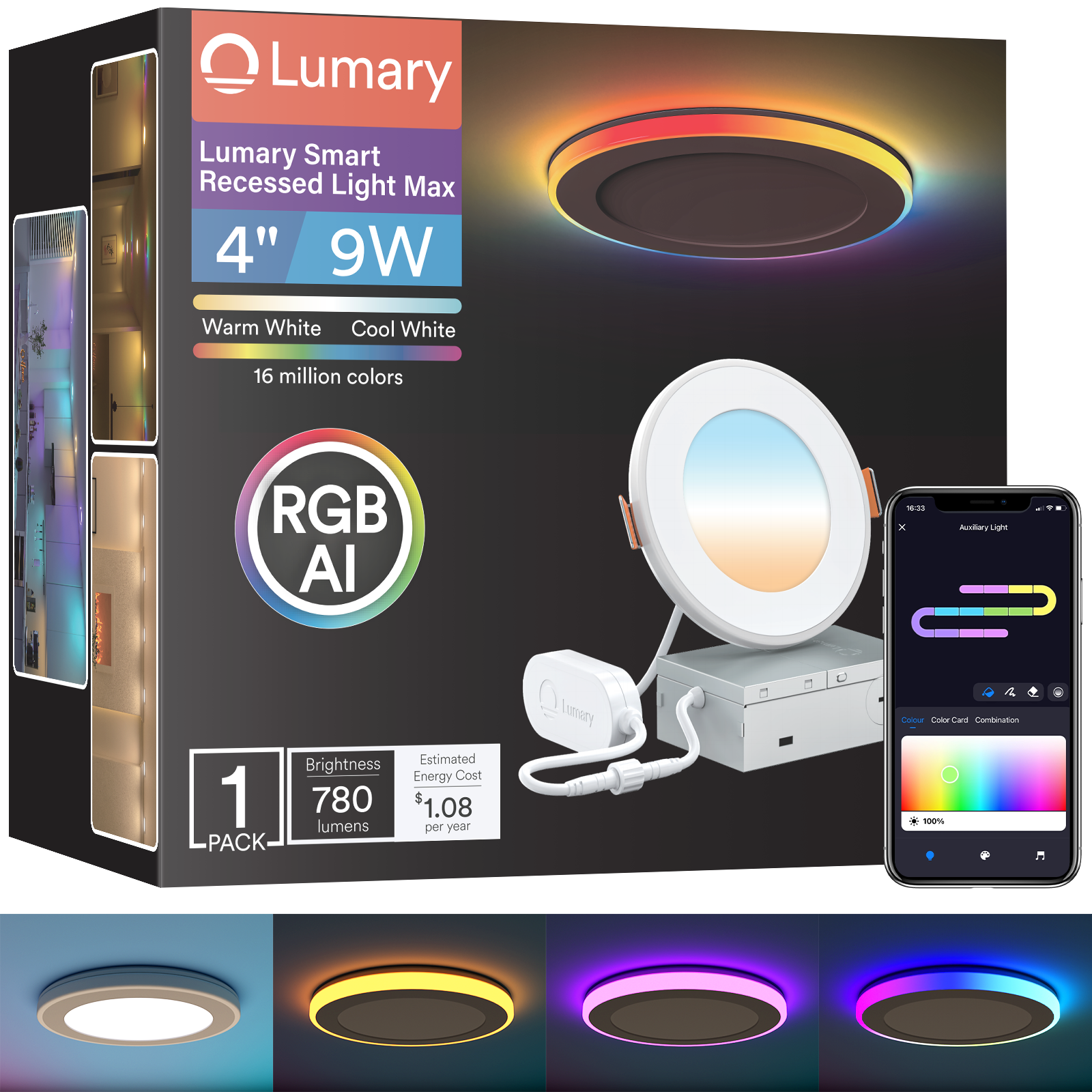
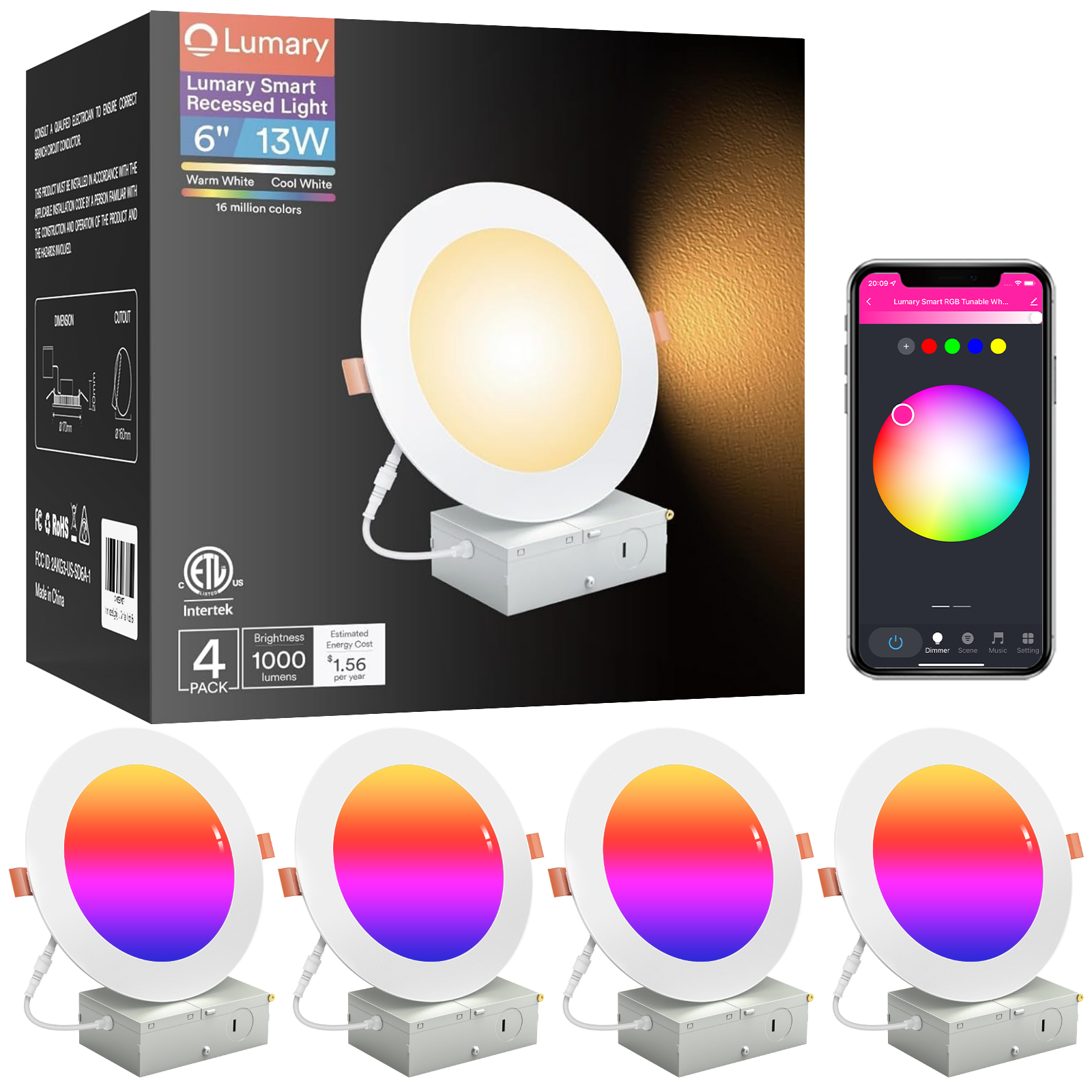
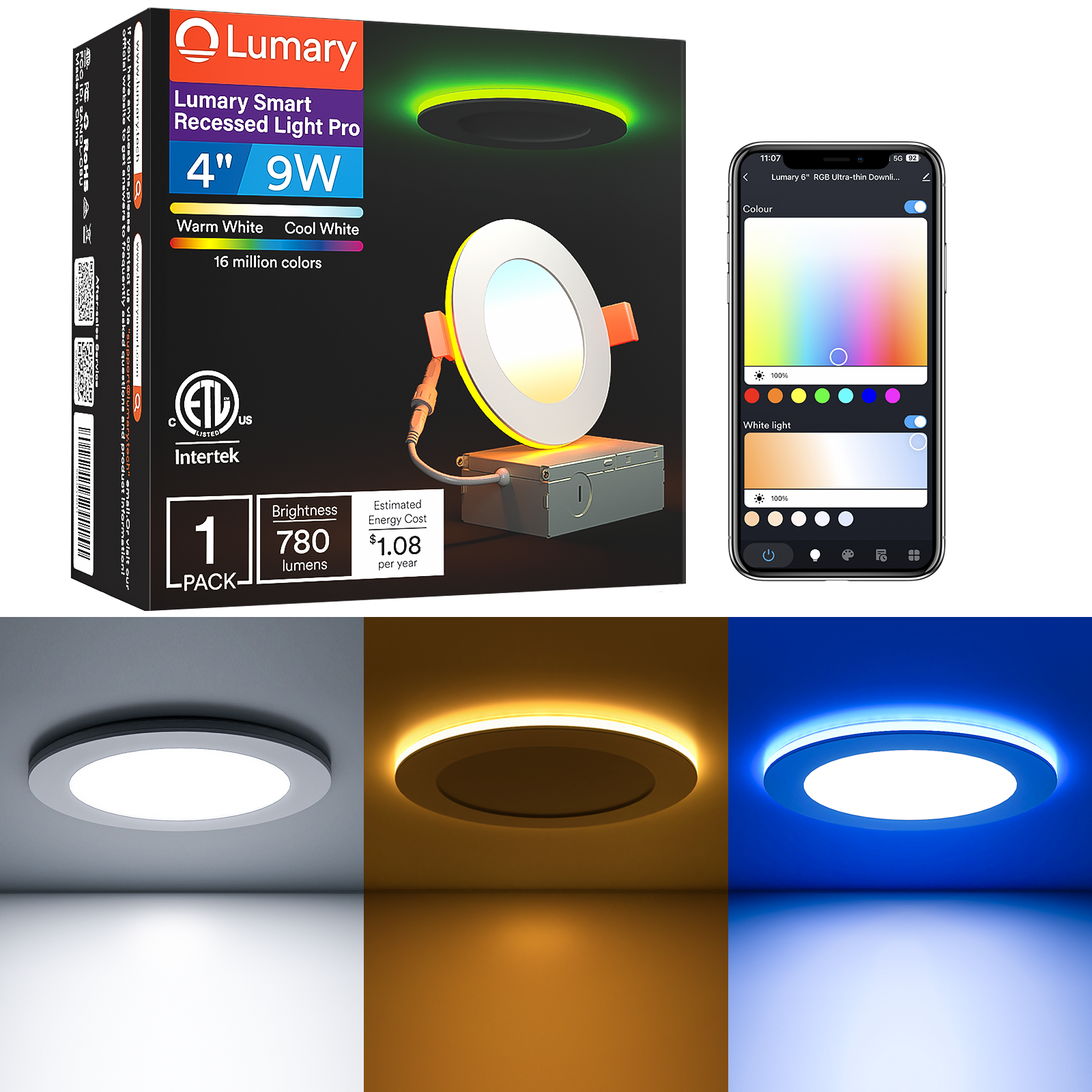
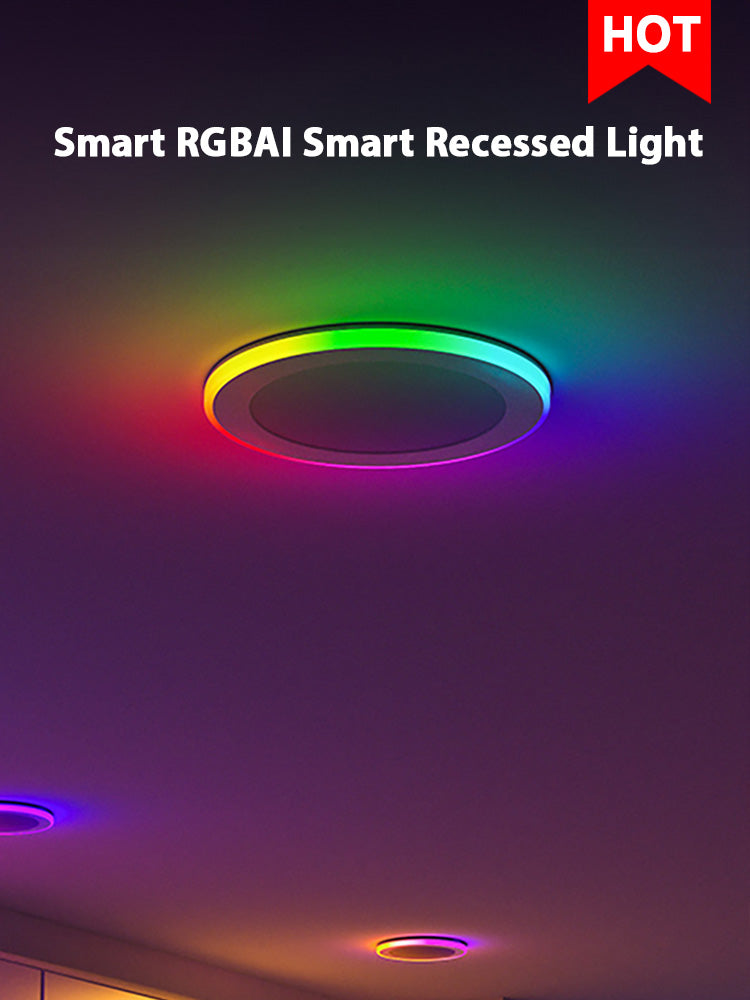


You see recessed lighting in many modern homes. People also call these fixtures recessed light, downlights, or can lights. You install recessed lights into the ceiling, which creates a smooth, clean look that blends with any room. Each recessed fixture has three main parts: the housing holds everything in place, the trim frames the light, and the bulb gives off light. You get a stylish and practical way to brighten your space.
Key Takeaways
-
Recessed lighting looks smooth and modern. It fits into ceilings easily. This makes rooms look bigger and more open.
-
Pick the right housing type for your project. Use new construction housing for new buildings. Use remodel housing for old ceilings.
-
Pick trims and bulbs that fit your room’s use. Brighter lights are good for kitchens. Softer lights are better for living rooms.
-
Plan your layout so you do not get shadows. Space recessed lights evenly for the best look.
-
Use energy-saving LED bulbs to save money. They also help the environment.
 What Is Recessed Lighting?
Recessed Light Definition
People sometimes call these fixtures recessed lighting, downlights, or can lights. A recessed light goes inside your ceiling. You only see the trim and bulb. This makes your room look smooth and neat. Surface-mounted fixtures stick out from the ceiling. Recessed fixtures do not stick out. They blend in with the ceiling. This gives your room a modern style. You can use them in living rooms, kitchens, and hallways. Modern recessed lighting fits many styles. It helps make your space bright and open.
Tip: Recessed lighting is great if you want a room to look bigger and less crowded.
Main Components: Housing, Trim, Bulb
Each recessed light has three main parts. Every part has a special job. The table below shows what each part does:
|
Component |
Function |
|---|---|
|
Housing |
Goes inside the ceiling, holds electrical parts, and must match the ceiling and insulation. |
|
Trim |
The part you see, comes in different styles and finishes. |
|
Bulb |
Changes the quality and color of the light. |
The housing hides in the ceiling and holds the wires. The trim is the part you see in the room. You can pick trims in many shapes and colors. The bulb sits inside and shines light. You can pick bulbs that change the color or brightness.
How Recessed Lights Work
Recessed lights work by putting the housing in the ceiling. The trim sits flat with the ceiling. This keeps the fixture hidden. You can focus on your room’s style. You can put recessed lights almost anywhere in your house. The low-profile style is good for low ceilings. It also helps if you do not want big fixtures.
-
Recessed lighting puts fixtures in ceilings or walls. This makes them flush with the surface and blends with the room.
-
The simple design keeps the room neat. You can focus on your decorations and the room’s features.
-
You can put recessed lighting where you want. It can highlight special spots without taking away from the room’s look.
-
The low-profile style gives a clean look. It works well in rooms with low ceilings.
-
No big fixtures means the room feels open and large.
Recessed lighting lets you control how you light your room. You can use dimmers to change the mood or highlight spots. Many people like recessed lights for a modern look. Modern recessed lighting works well in homes with simple lines and open spaces.
You will see that recessed lighting is different from surface-mounted fixtures. Surface-mounted lights attach to the ceiling and are easy to see. Recessed lights hide most of the fixture. This makes your ceiling look smooth and neat. You get lighting that is stylish and useful.
 Types of Recessed Lights
Housing Types: New Construction vs. Remodel
You must pick the right housing for your lights. The housing goes inside the ceiling and holds the fixture. There are two main types. New construction housings work for new buildings or big renovations. Remodel housings fit in ceilings that already exist. Each type is best for different jobs. The table below shows how they are different:
|
Feature/Aspect |
New Construction Housings |
Remodel Housings |
|---|---|---|
|
Installation Context |
For new builds or major renovations |
For existing ceilings without major changes |
|
Key Feature |
Fastened to ceiling joists |
Secured to existing drywall |
|
When to Use |
Building new homes, finishing basements |
Adding lights to existing rooms |
|
Pros |
Robust installation, often more affordable |
Less invasive, ideal for renovations |
|
Cons |
Requires open access to joists |
Generally more expensive due to specialized mechanisms |
Some housings are IC-rated and airtight. These help keep your home safe and save energy. Adjustable housings let you point the light where you want. This is good for showing off art or special things.
Trim Styles and Effects
The trim is the part you see on your recessed lighting. It changes how the light looks and spreads in your room. You can choose from many styles and materials. Here is a simple guide:
|
Trim Style |
Light Distribution Effect |
Glare Control |
Best Use Cases |
Aesthetic Appeal |
|---|---|---|---|---|
|
Baffle Trim |
Softer, diffused lighting |
Reduces glare |
Home environments |
Blends with traditional designs |
|
Smooth Trim |
Brighter, reflective |
Can produce glare |
Commercial settings |
Sleek, modern look |
-
Metal trims last longer and handle heat well.
-
Plastic trims cost less but do not handle heat well.
-
Glass trims look fancy but need more cleaning.
Tip: Pick a trim that fits your room’s style and lighting needs.
Bulb Options for Recessed Lighting
You have many bulb choices for recessed fixtures. Each bulb type has its own good points. The table below shows the main options:
|
Bulb Type |
Energy Efficiency Rating |
|---|---|
|
Incandescent |
Less efficient, shorter lifespan |
|
Halogen |
Brighter illumination, increased longevity |
|
CFL |
Energy efficient, contains mercury, needs ballast |
|
LED |
90% more efficient than incandescent, lasts longer than CFLs |
LED bulbs use less energy and last much longer than old bulbs. If you use LED bulbs in your can lights, you can save over $1,500 during the bulb’s life. LEDs also help the planet by using less power and lasting up to 50,000 hours.
Using LED bulbs in your recessed light can lower your energy bills and reduce waste.
 How to Install Recessed Lights
Planning and Layout
You need a plan before you start. Planning helps you avoid mistakes. It also helps you get the best results. Here are some steps to follow:
-
Try using a flashlight. See how light looks in different places.
-
Measure your room. Write down the length and width.
-
Make a layout. Start in the middle and work out. Mark where you want each light.
-
Think about spacing. Put each recessed light about half the ceiling height apart. Keep lights 2-3 feet from the walls. This stops shadows.
-
Change the plan for each room. Use brighter lights in kitchens. Use softer lights in bedrooms.
You can use this table to help with spacing:
|
Ceiling Height |
Recommended Spacing |
|---|---|
|
8 feet |
Every 4 feet |
|
10 feet |
Every 5 feet |
|
Accent Lighting |
4-6 feet apart |
|
Distance from Walls |
2-3 feet |
Electrical and Safety Tips
Safety is very important. Always turn off the power at the breaker. Use a voltage tester to check if the power is off. Move furniture and cover the floor. Use a stud finder to find ceiling joists. Mark your spots for each light. Cut holes in the ceiling for each recessed light. Run the electrical cable through the housing. Secure the cable. Connect the wires. Match the colors and make sure connections are tight. Install the trim and bulb. Turn the power back on and test your lights.
Here are some safety rules:
|
Safety Precaution |
Description |
|---|---|
|
Installation Guidelines |
Follow the instructions to stop overheating and electrical problems. |
|
Clearance from Insulation |
Leave space around fixtures to prevent fires. |
|
Use of Rated Housings |
Pick fixtures made for recessed lighting to stay safe. |
|
Licensed Electrician |
Hire a professional if you are not sure or if codes say so. |
|
Regular Maintenance |
Check for damage and use the right bulbs. |
|
Dust and Debris Management |
Keep fixtures clean for better lighting. |
You must follow local codes. The National Electrical Code says you need IC-rated fixtures if your lights touch insulation. You also need to seal fixtures to stop air leaks.
DIY vs. Professional Installation
You can install can lights yourself if you know how. Many people do this as a DIY project. If you have never worked with wiring, hire an electrician. Professionals know the codes and can handle hard jobs. They make sure your recessed lighting is safe and works well. Always put safety first when you decide how to install recessed lights.
 Choosing and Designing with Recessed Lighting
Selecting Trims and Bulbs
When you choose trims and bulbs for your recessed lights, you need to think about what to consider before buying. Each room has its own needs. For example, kitchens need bright light for cooking, while living rooms look better with softer, warmer light. The size of your recessed fixtures changes how much light you get and how your ceiling looks. Good spacing helps you avoid shadows and keeps the light even.
-
Think about the room’s purpose before you pick a trim or bulb.
-
Choose the right size for your recessed light to match your ceiling and style.
-
Make sure you space your recessed lights evenly for the best effect.
If you want a reliable product, Lumary’s recessed lights offer many trim and bulb options. You can find styles that fit your needs and make your room look great.
Matching Lighting to Room Needs
You need to match your recessed lighting to each room’s task. The table below shows what to consider before buying for kitchens, bathrooms, and living rooms:
|
Room |
Fixture Size |
Lumens per Fixture |
Color Temperature |
Spacing |
|---|---|---|---|---|
|
Kitchen |
3" or 4" |
700–1200 |
3000K–4000K |
2–3 feet apart |
|
Bathroom |
4" |
N/A |
2700K–5000K |
3–4 feet apart |
|
Living Room |
4" or 6" |
600–800 |
2000K–3000K |
Half ceiling height apart (e.g., 4 ft for 8 ft ceiling) |
You can use this table to plan your recessed lighting design tips for each space.
Design Tips and Common Mistakes
You want your recessed lighting to look good and work well. Here are some recessed lighting design tips and common mistakes to avoid:
-
Place your recessed lights with care. Bad placement can cause glare or dark spots.
-
Always check if your dimmers work with your bulbs. Incompatible dimmers can make lights flicker.
-
Use IC-rated fixtures if your ceiling has insulation. This keeps your home safe.
-
Space your recessed lights 4 to 6 feet apart for even coverage.
-
Plan your lighting to highlight special features in your room.
-
Arrange your lights to reduce shadows and make the room feel open.
Tip: A good lighting plan makes your room brighter and more inviting. Always think about what to consider before buying and match your lighting to the room’s task.
How Much Does Recessed Lighting Cost?
Cost Factors
You might wonder how much does recessed lighting cost for your home. The price can change based on many things. Most people pay between $200 and $250 per fixture, including wiring. Some projects cost more, with prices reaching $380 to $529 for each light. Labor costs for professional installation usually range from $58.83 to $140.17 per light.
Many factors affect the total cost. The table below shows what can change your final price:
|
Factor |
Impact on Cost |
|---|---|
|
Fixture Type |
Basic LED can lights cost less. Fancy or decorative fixtures cost more. |
|
Number of Fixtures |
More lights mean higher material and labor costs. |
|
Ceiling Height |
High ceilings need more work and special tools. |
|
Accessibility |
Hard-to-reach places take longer and cost more. |
|
Electrical Work |
Upgrading wiring or panels adds to the bill. |
|
Location |
Complex spaces increase the price. |
|
Permits and Codes |
You may need to pay extra for permits and inspections. |
|
Labor Rates |
Prices change depending on where you live. |
Tip: You can lower your cost by choosing standard fixtures and easy-to-reach locations.
Budgeting for Your Project
You need a plan before you start your recessed lighting project. Ask yourself, how much does recessed lighting cost for your space? Most homeowners spend between $800 and $2,500 to light a standard-sized room. Each light usually costs $100 to $300 to install.
Here are some ways to manage your budget:
-
Decide if you want to do the task yourself or hire a professional. DIY saves money but needs electrical skills.
-
Pick standard sizes and materials to keep costs down.
-
Bundle your lighting project with other home updates to save on labor.
-
Keep your existing switch locations if possible.
-
Choose LED lights. They cost more at first but save money over time.
The table below can help you plan:
|
Cost Factor |
Description |
|---|---|
|
Average Installation Cost |
$100–$300 per light, $800–$2,500 per room |
|
DIY vs Professional |
DIY saves money but needs skill; pros ensure safety and code compliance |
|
Material Choices |
High-end materials cost more; standard sizes are cheaper |
|
Installation Complexity |
Ceiling type and insulation can raise costs |
|
Energy Efficiency |
LEDs cost more upfront but save money later |
|
Money-Saving Tips |
Bundle projects, use standard sizes, keep switch locations |
You can control your spending by planning ahead and making smart choices. This helps you get the best value from your recessed lights.
You now understand the basics of recessed lighting. This lighting uses a housing, trim, and bulb. It helps make any room look neat and tidy. Recessed lighting has many good points when you compare it to other lights:
|
Benefit |
Description |
|---|---|
|
Aesthetic Appeal |
Gives a smooth, simple look that matches modern rooms. |
|
Energy Efficiency |
LED fixtures use less power and lower your bills. |
|
Increased Property Value |
Better lighting can make your house more appealing to buyers. |
To get the best results, pick the right fixtures. Make a plan for where your lights will go. Always follow safe steps when you install them. Try not to make mistakes like putting lights too close or using trims that do not match. Use this guide to help you make smart choices. You will have a brighter and nicer home. You can begin your recessed lighting project with confidence!
FAQ
What is the best place to use recessed lighting?
You can use recessed lighting in kitchens, living rooms, hallways, and bathrooms. It works well in rooms with low ceilings. You can also use it to highlight artwork or special features.
Can you install recessed lights in a bathroom?
Yes, you can install recessed lights in bathrooms. Make sure you choose fixtures rated for damp or wet locations. This keeps you safe from moisture.
How do you choose the right size for recessed lights?
You should match the size of the light to your room. Small rooms often use 3-inch or 4-inch lights. Large rooms or high ceilings may need 6-inch lights for better coverage.
Do recessed lights save energy?
-
LED recessed lights use less electricity.
-
You save money on your energy bill.
-
LEDs last longer than traditional bulbs.
Can you dim recessed lighting?
Yes, you can dim most recessed lights. You need to use dimmable bulbs and a compatible dimmer switch. This lets you control the brightness for any mood.

